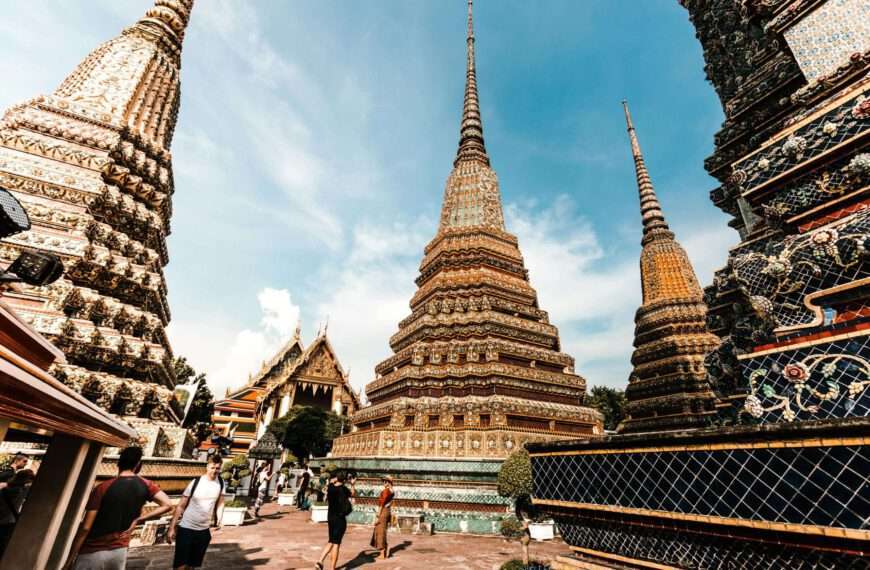
Hong Kong and Singapore are the two obvious destinations for families moving into Asia, and the two cities most often swapped between once you are here. Their international schools look similar from a distance and work quite differently underneath.
The curricula overlap heavily. The money, the admissions mechanics, and the local rules do not, and those are the parts that catch families out.
Key Takeaways
- Curriculum choice should follow where your child is likely to finish, not which campus looks best.
- Hong Kong’s debenture culture has no real equivalent in Singapore, where one-off admission costs are typically far smaller.
- Admissions priority can be bought in both cities, though it buys position rather than a place.
- Singapore adds visa and regulatory steps that Hong Kong does not, including school certification requirements.
- Ask in both cities whether a primary place carries through to secondary.
Start With the Curriculum
Both cities offer an unusually wide range, covering British, American, International Baccalaureate, Australian, Canadian and several national systems. That breadth is a genuine advantage, and it makes the first decision harder.
Work backwards from the finish. A family expecting to return to the United Kingdom may want IGCSE and A Levels, while one heading to North America may prefer an American diploma or Advanced Placement pathway.
The IB Diploma remains the most portable, since universities in most countries recognise it. Several schools now offer it alongside their own diploma, or allow students to take individual IB courses rather than the full programme.
Coverage differs slightly between the cities. Anyone browsing international schools Hong Kong side will find a strong American and IB presence alongside British provision, while Singapore adds Australian and several national systems to a similar mix.
Check which specific programme a school is authorised to run rather than assuming. A school offering the IB Diploma at sixth form does not necessarily run the IB Primary Years Programme lower down.
The Fee Structures Are Genuinely Different
This is where the two cities diverge most sharply, and it is the single most useful thing to understand before comparing schools across them.
Hong Kong runs on debentures.
Many schools require either a debenture, a lump sum traditionally structured as an interest-free loan toward capital projects, or an annual capital levy in its place. You will also see the terms capital certificate, capital note, nomination right and capital contribution.
Amounts are substantial. Debentures commonly run to six figures and at the upper end reach seven, while annual capital levies are smaller but non-refundable and accumulate across a full school career.
Refund treatment varies enormously. Some are returned in full when the child leaves, some depreciate to nothing over a fixed period, and some are non-refundable from the start.
Singapore works differently.
Debenture systems are far less common there, and one-off admission costs more typically sit in the low thousands rather than the hundreds of thousands.
The structure is usually an application fee, then an enrolment or registration fee that acts as a deposit and often counts toward tuition.
Many schools also charge an annual development levy, building fund or facilities fee on top of tuition.
Neither city is cheap. The difference is that Hong Kong front-loads a large capital payment while Singapore spreads more of it through annual charges, which changes your cash flow planning considerably.
Buying Admissions Priority
Both cities allow it, and neither guarantees a place. In Hong Kong, a debenture or nomination right generally accelerates your position on a waiting list rather than securing a seat.
Singapore has fewer debentures, but several schools operate guaranteed placement schemes involving substantial contributions. Even then, students must still meet the school’s academic and language entry requirements.
Availability shifts. Some Hong Kong schools have stopped issuing new debentures, pushing families toward a secondary market or the levy, so terms that applied to another family a few years ago may no longer exist.
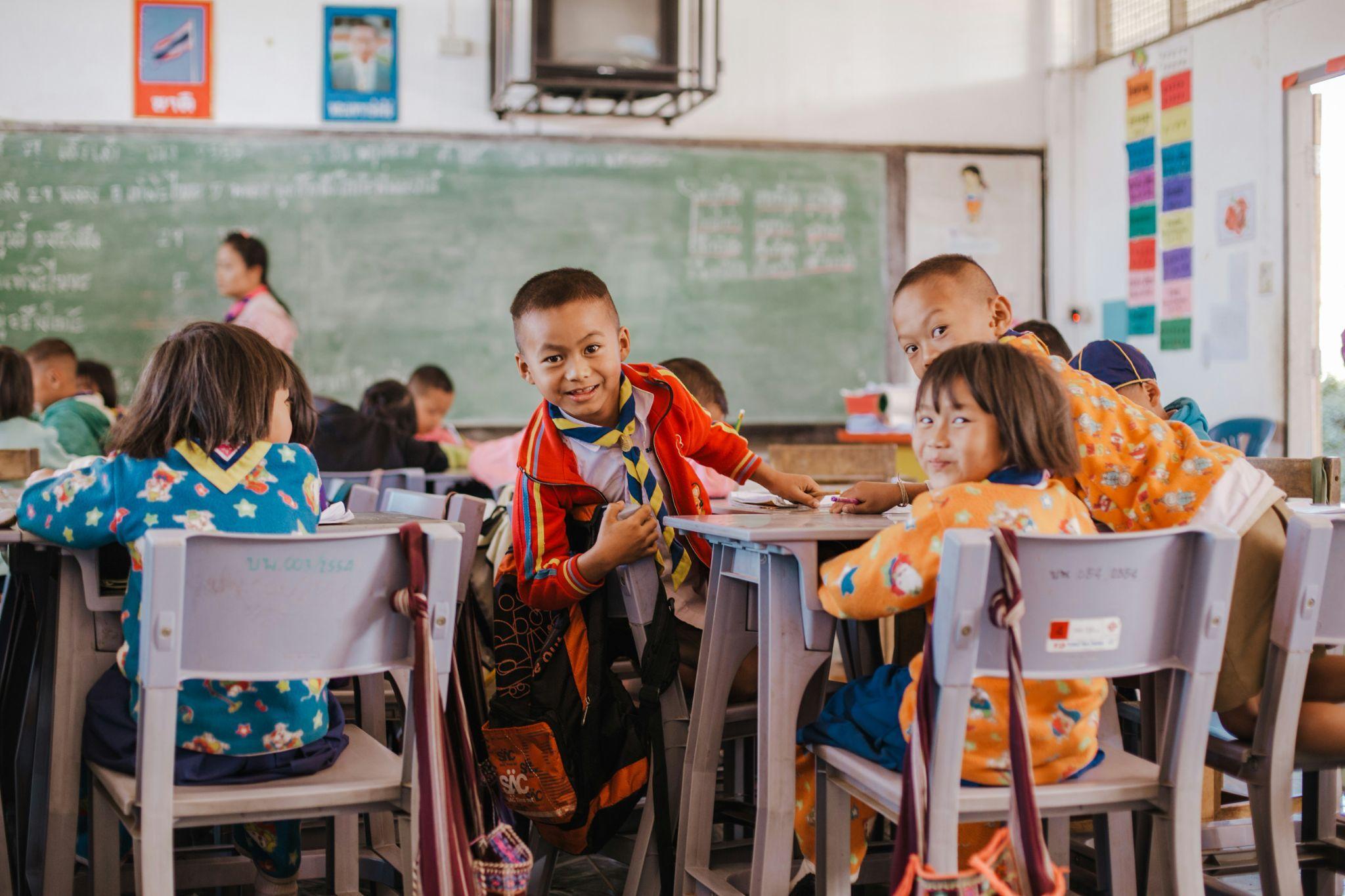
![Image placeholder: alt text “Students in a bright classroom working together at a shared table”]
Regulation and Certification
Every school in Hong Kong must be registered with the Education Bureau, which is a baseline rather than a distinction.
External accreditation from bodies such as the Council of International Schools or the Western Association of Schools and Colleges carries more weight, since it involves periodic outside review.
Singapore adds a step that matters practically. Only schools holding EduTrust certification can enroll students who require a Student Pass, so certification status is worth confirming before you apply rather than after.
IB World School status sits separately in both cities. It means a school is authorised to deliver IB programmes, and authorisation is specific to each programme rather than blanket.
Visas and Local Rules
Hong Kong is comparatively simple, with school enrolment following the family’s own visa status. Singapore has more steps.
A Student Pass is generally applied for after a formal offer, and documentation must be complete before a child can start. Foreign-born children aged twelve and under also face vaccination verification requirements covering diphtheria and measles.
Singapore citizens are a special case. Compulsory education rules mean citizen children generally need a Ministry of Education exemption to attend an international school, and some schools charge a fee to prepare that application.
Apply Earlier Than Feels Necessary
Competition is real in both cities. Popular entry years in Hong Kong can attract several hundred applicants for well under a hundred places, and established Singapore schools face similar pressure in sought-after year groups.
Apply before housing is confirmed if you need to. Most schools accept applications without a local address, and a waiting list position takes time to build.
Shortlist three or four schools with genuinely different admissions profiles rather than pinning everything on one name. That applies equally in both cities.
Ask each school where you would realistically sit on its waiting list for your child’s year group. A vague answer is itself informative, and a specific one lets you plan.

Language Support and Second Languages
English as an Additional Language provision varies widely in both cities, from dedicated specialists to occasional in-class help. Some Singapore schools charge separately for EAL and learning support, so ask whether it sits inside tuition.
Second language teaching differs by city. Mandarin is taught substantially in both, though Singapore schools operate in a genuinely multilingual environment while Hong Kong adds Cantonese to the picture.
Ask how classes are grouped. Streaming by ability rather than by year matters enormously for a child arriving with no Mandarin into a cohort that has studied it since kindergarten.
Ask about exit points too. A language studied for two years and then dropped at a curriculum transition is a poor use of several hundred hours.
The Commute Is Part of the Decision
Hong Kong is compact and still slow to cross at peak times, and a harbour crossing can turn a short distance into an hour. Check bus routes and journey times from your likely neighbourhood before you commit to a campus.
Singapore is generally easier to move around, with a comprehensive MRT network and shorter distances. Traffic at drop-off still matters, and a school near an MRT station is worth more than it looks on a map.
If You Might Move Between the Two
This is the scenario worth planning for, because it happens constantly. Choosing a curriculum available in both cities removes most of the disruption if a posting changes.
The IB is the obvious continuity choice, though Cambridge pathways travel well too. Families weighing a possible move can check International primary schools in Singapore alongside their Hong Kong shortlist and pick a programme that exists in both places.
Also ask whether a school belongs to a wider group. Some operators run schools in both cities, which can simplify transfer of records, curriculum continuity and sometimes admissions.
What to Ask on a Tour
Shortlist on fit rather than facilities, because every school will show you a good campus. Ask each one the same three questions.
Class sizes at your child’s year level, teacher retention over recent years, and what happens when a student struggles academically or socially. Then watch the students rather than the presentation.
How children speak to staff, whether corridors feel calm, and what is displayed on the walls will tell you more than any prospectus. Try to visit on an ordinary teaching day rather than at an open house.
Conclusion
The curriculum decision is broadly the same in both cities. The financial and regulatory decisions are not, and that is where comparison across Hong Kong and Singapore actually matters.
Get the full fee schedule in writing including any debenture, levy or development charge. Confirm certification where a visa depends on it, apply earlier than feels necessary, and choose a curriculum that survives your next move.
Hong Kong and Singapore School FAQs
What is a school debenture? A lump sum paid to a school, traditionally an interest-free loan toward capital projects. It is common in Hong Kong and far less so in Singapore.
Does a debenture guarantee a place? No. It generally provides admissions priority or accelerates a waiting list, and academic entry requirements still apply.
Is international schooling cheaper in Singapore? Not necessarily, though the structure differs. Hong Kong front-loads a large capital payment while Singapore spreads more cost through annual levies and fees.
What is EduTrust certification? A Singapore certification required for schools enrolling students who need a Student Pass. Confirm a school holds it before applying if a visa is involved.
Can Singapore citizens attend international schools? Generally only with Ministry of Education exemption, since compulsory education rules apply to citizen children.
Which curriculum travels best between the two cities? The IB Diploma is the most portable internationally, and Cambridge pathways including IGCSE are widely available in both.
How early should I apply? As early as possible, and before confirming housing if necessary. Popular year groups in both cities are heavily oversubscribed.
What accreditation should I look for? Local registration is the baseline. External accreditation such as CIS or WASC, plus IB World School authorisation where relevant, are stronger signals.
Does a primary place guarantee secondary entry? Not always in either city. Ask what proportion of primary students actually progress.
What extra costs should I budget for? Application and enrolment fees, debentures or levies, buses, uniform, lunches, trips, devices where one-to-one technology is required, and any EAL or learning support charges.

Hi, I’m Crystal – a Kentucky-based Aromatherapist, wife, mom and the voice behind The Cinnamon Hollow. I share cozy, real-life inspiration for healthier routines, simple home living, essential oil use and safety, beauty, pets, and family adventures. From everyday tips to travel guides, my goal is to help you create a warmer life and embrace each day as its own little adventure. Always remember to live life, one adventure at a time! read more