

If you’ve been living with a bunion for any length of time, you’ve probably heard the surgery question come up more than once. From well-meaning family members, from your GP, maybe from a podiatrist visit you’ve been putting off. And if you’ve been putting it off because you’re not sure whether the procedure, the recovery, and the disruption are actually worth it, that hesitation is worth taking seriously.
Here’s what the decision actually involves and what patients who’ve been through the process consistently report.
What a Bunion Actually Is
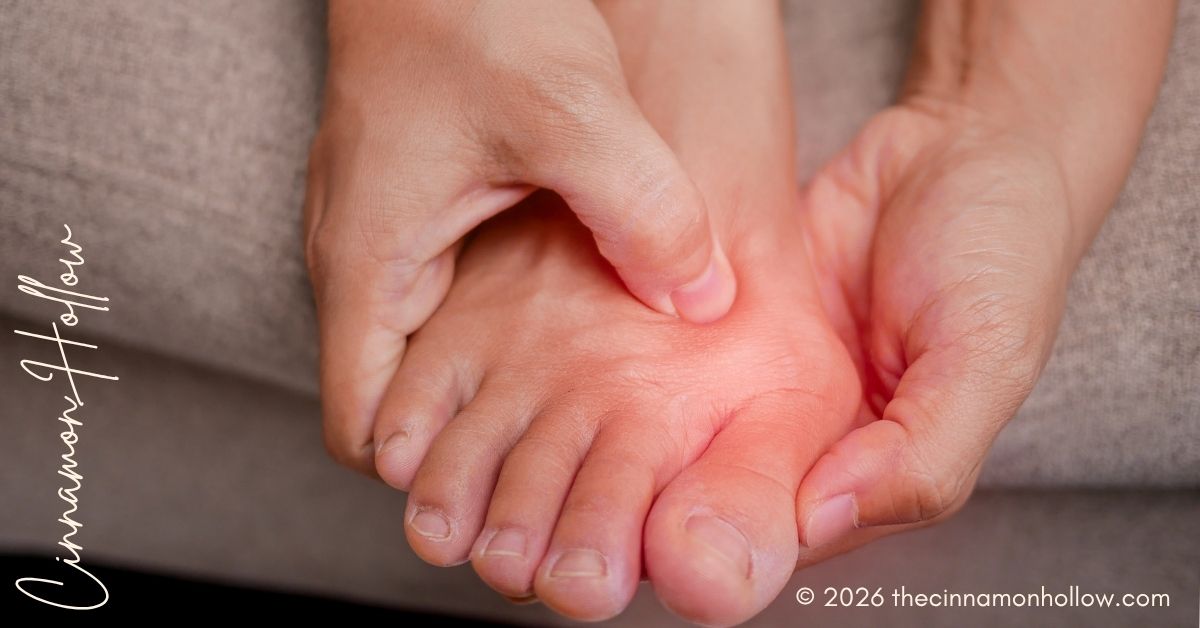
A bunion, clinically known as hallux valgus, is a bony prominence at the base of the big toe that develops when the big toe drifts toward the second toe, causing the joint to protrude outward. Over time, the misalignment can become progressively worse, the bony bump can grow larger, and the surrounding tissue can become inflamed and painful.
Bunions don’t resolve on their own. Without intervention, they tend to worsen gradually. The question is whether the rate of progression and the current level of discomfort justify surgical treatment, or whether conservative management can maintain sufficient quality of life.
When Surgery Becomes the Right Conversation
Conservative management, including appropriate footwear, orthotics, padding, and anti-inflammatory approaches, addresses the symptoms of a bunion without changing its underlying structure. For mild to moderate bunions with manageable symptoms, this is often the appropriate starting point.
The circumstances that typically shift the conversation toward surgery include:
- Persistent pain that interferes with daily activities, including walking, standing for extended periods, and exercise
- Inability to wear standard footwear without pain
- A bunion that has progressed to the point where the big toe is affecting the alignment of adjacent toes
- Inflammation and swelling that doesn’t respond adequately to conservative treatment
- Quality of life impact significant enough to warrant the recovery commitment
Surgery isn’t recommended for cosmetic reasons alone. The decision should be driven by functional impact and pain rather than appearance.
What Bunion Surgery Actually Involves
There are multiple surgical approaches to bunion correction, and the appropriate technique depends on the severity and specific characteristics of the individual’s deformity. The most common approaches involve realigning the bones of the big toe joint, which may include cutting and repositioning the bone, correcting ligament tightness, and in some cases addressing the joint surfaces themselves.
The procedure is typically performed under local or regional anaesthesia with sedation. It’s usually a day surgery. The choice of surgical technique is made by the surgeon based on the specific anatomy and severity of the bunion rather than patient preference.
The Question Everyone Actually Wants Answered
One of the most common questions people considering bunion surgery ask is simple: is bunion surgery painful? It’s a completely reasonable concern. While some post-operative discomfort is expected, advances in surgical techniques, anaesthesia, and pain management have made recovery far more manageable than many patients anticipate.
For anyone seeking a detailed and realistic overview, the guide covers what to expect before, during, and after the procedure.
Beyond providing educational resources, Vale Foot and Ankle also offers bunion evaluation and treatment services, helping patients understand their options and determine whether surgery is the most appropriate solution for their condition. Their approach focuses on giving patients clear information and practical guidance so they can make confident, informed decisions about their foot health.
The Recovery Reality
Recovery from bunion surgery is the dimension that most patients find more demanding than expected, and it’s worth understanding clearly before making the decision.
The initial post-operative period typically involves:
- Non-weight bearing or limited weight bearing for several weeks, depending on the procedure
- A protective boot or cast during the early healing phase
- Elevation of the foot to manage swelling
- Limited mobility that affects daily life significantly for four to eight weeks
Full recovery, including return to normal footwear and unrestricted activity, typically takes three to six months. Returning to sports or high-impact activity may take longer.
Planning the recovery period carefully, with appropriate domestic and work arrangements in place, is as important as the surgical decision itself.
What Patients Consistently Report After Recovery
Patients who’ve been through bunion surgery and completed their recovery consistently report:
- Significant reduction or elimination of the pre-operative pain that motivated the surgery
- Ability to wear footwear that was previously uncomfortable or impossible
- Improved ability to walk, stand, and participate in activities they’d been avoiding
- Satisfaction with the decision, even accounting for the recovery period
The caveat is patient selection and expectation management. Patients who had surgery primarily for pain, with realistic understanding of the recovery involved, tend to report high satisfaction. Those with unrealistic expectations about recovery timeline or outcome perfection are less consistently satisfied.
Conclusion
Bunion surgery is worth it for the right patient with the right expectations. The decision should be based on functional impact and pain rather than cosmetic concern, made with thorough understanding of what recovery actually involves, and supported by specialist podiatric assessment of whether the specific bunion presentation is suitable for surgery.
If you’ve been managing a painful bunion with conservative approaches that aren’t keeping pace with its progression, a specialist consultation is the right next step.
The owners and authors of Cinnamon Hollow are not doctors and this is in no way intended to be used as medical advice. We cannot be held responsible for your results. As with any product, service or supplement, use at your own risk. Always do your own research and consult with your personal physician before using.

Meg is an author at Cinnamon Hollow. She writes on a variety of topics sharing tips and ideas for daily life.


