A plain wall can make even a thoughtfully furnished room feel unfinished, while the right wall treatment can turn an ordinary space into a defining feature of the home. For Australian homeownears exploring practical renovation ideas, modern wall panelling offers a way to introduce texture, visual depth and architectural character without undertaking a major structural renovation. However, deciding whether wall panelling is worth the investment requires more than choosing an attractive design. Material quality, installation costs, maintenance and the room’s intended use all influence the final result.
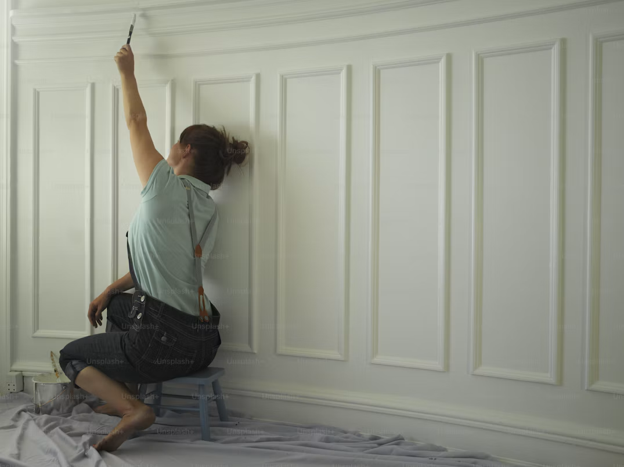
What Is Modern Wall Panelling and Why Is It Popular?
Modern wall panelling involves installing decorative or functional panels over an existing wall to create a distinctive surface finish. Depending on the material and profile, panels can deliver a minimalist appearance, natural timber warmth, contemporary geometric patterns or elegant vertical detailing. Popular styles include:
- Fluted panels: Narrow grooves create texture and subtle shadows.
- Slatted panels: Repeating strips introduce visual rhythm and a contemporary finish.
- Geometric panels: Raised shapes and structured patterns create a bold feature wall.
- Timber-look panels: Wood-inspired finishes bring warmth to modern interiors.
- Flat decorative panels: Simple profiles complement understated and minimalist spaces.
Modern wall panelling is popular because it allows homeowners to personalise living rooms, bedrooms, hallways and home offices without redesigning the entire interior. The right panel design can complement existing furniture, flooring and cabinetry.
Is Wall Panelling Worth the Cost for Australian Homeowners?
Wall panelling can be worth the cost when homeowners want a durable, distinctive finish that complements their property’s overall design. Unlike paint, which primarily changes a wall’s colour, decorative panels can introduce physical depth, texture and architectural detail.
The value depends on the material, installation quality and how long the homeowner intends to keep the design. A carefully selected feature wall may create a more cohesive interior, while an expensive panel system may offer limited value if its appearance conflicts with the room’s existing finishes.
Wall panelling is particularly worthwhile for:
- Creating a focal point behind a television or bed.
- Adding visual interest to large, uninterrupted walls.
- Coordinating wall finishes with contemporary cabinetry and furniture.
- Refreshing an interior without extensive structural alterations.
However, wall panelling is not automatically the best investment for every room. Homeowners prioritising the lowest upfront cost may find repainting more practical.
How Much Does Modern Wall Panelling Cost?
The cost of modern wall panelling varies according to material, panel dimensions, surface preparation, installation complexity and labour rates. Basic products may suit budget-conscious renovations, while premium finishes and custom-designed systems generally require a higher investment. The overall budget may include:
- Panel materials and decorative trims.
- Adhesives, screws and other fixing systems.
- Wall preparation and any necessary repairs.
- Cutting, fitting and installation labour.
- Finishing work around corners, power outlets and skirting boards.
For an accurate comparison, homeowners should request itemised quotes based on their wall dimensions and chosen product. The cheapest panels may not deliver the same durability, finish or installation performance as higher-quality alternatives.
Long-term value also depends on cleaning requirements, repairability and whether individual panels can be replaced if damaged.
Which Modern Wall Panelling Styles Suit Different Rooms?
The most suitable wall panelling style depends on the room’s size, lighting, furniture and intended atmosphere. Selecting a finish that complements the existing architecture helps the design feel integrated rather than added as an afterthought.
Living rooms: Slatted or fluted panels create an attractive backdrop behind a television or sofa. Timber-inspired finishes work particularly well with neutral furniture and natural materials.
Bedrooms: Decorative panels behind a bed set up a visual focal point without elaborate furniture. Soft colours and subtle textures help create a calm atmosphere.
Hallways: Vertical panelling can introduce structure to narrow transitional spaces. Lighter finishes may help maintain an open, uncluttered appearance.
Home offices: Simple panel profiles can create a professional background for video calls. Specially engineered acoustic panels may help manage reverberation, although ordinary decorative panels do not necessarily provide soundproofing.
Outdoor areas: Exterior-rated aluminium or other weather-resistant systems can complement contemporary Australian homes. Indoor products should only be used outdoors when the manufacturer confirms their suitability.
How Is Wall Panelling Installed and What Should You Prepare?
Wall panelling installation typically begins with measuring the wall, checking the surface and planning the panel layout. Accurate preparation helps minimise visible gaps, uneven lines and unnecessary material waste. A typical installation process involves:
- Measuring the wall and calculating the required panel quantities.
- Checking that the surface is clean, dry, stable and reasonably level.
- Marking panel positions and identifying outlets, switches and corners.
- Cutting panels to size using the manufacturer’s recommended method.
- Securing the panels with approved adhesives or mechanical fixings.
- Completing trims, joints and finishing details according to product instructions.
Some lightweight decorative panels are suitable for experienced DIY renovators. Complex layouts, heavy panels and exterior installations may require professional assistance. Electrical outlets and concealed services must also be considered before cutting or fixing panels.
What Are the Main Disadvantages of Modern Wall Panelling?
Although modern wall panelling offers several design advantages, homeowners should understand its potential limitations before purchasing materials.
First, the initial cost can be higher than painting, particularly when premium products and professional installation are involved. Second, some panel systems add thickness to the wall, which may affect tight corners, door frames and existing fittings.
Maintenance also varies by material. Grooved and slatted surfaces may collect dust, while unsuitable products can swell, warp or deteriorate in humid conditions. Replacing damaged panels may be more complicated than touching up paint, depending on how the system is installed.
Homeowners should therefore check moisture resistance, cleaning instructions, fire performance and installation requirements before choosing a product.
How Can You Decide Whether Wall Panelling Is the Right Investment?
Modern wall panelling is worth considering when architectural detail, texture and a coordinated interior finish matter more than achieving the lowest possible renovation cost. It can transform a plain wall into a distinctive design feature while complementing contemporary Australian homes.
Before you commit to it, compare installed prices and assess your room’s conditions. Select a material suited to its intended application. Consider whether the design will retain its appeal over time and whether maintenance requirements fit your household’s needs.
The best wall panelling investment combines attractive styling with practical performance. By balancing cost, durability and design, homeowners can create a personalised interior that delivers lasting visual appeal without unnecessary renovation expense.

Meg is an author at Cinnamon Hollow. She writes on a variety of topics sharing tips and ideas for daily life.