

Wild animals belong outdoors, but residential properties sometimes provide the shelter and resources they need to survive. In Vestavia Hills, Alabama, where wooded surroundings and residential development create opportunities for wildlife encounters, animals may find their way into attics, crawl spaces, and garages. What begins as occasional scratching or an unusual odor can eventually lead to property damage and sanitation concerns. Understanding why animals enter homes, recognizing warning signs, and responding appropriately can help homeowners protect their property without putting themselves or wildlife at unnecessary risk.
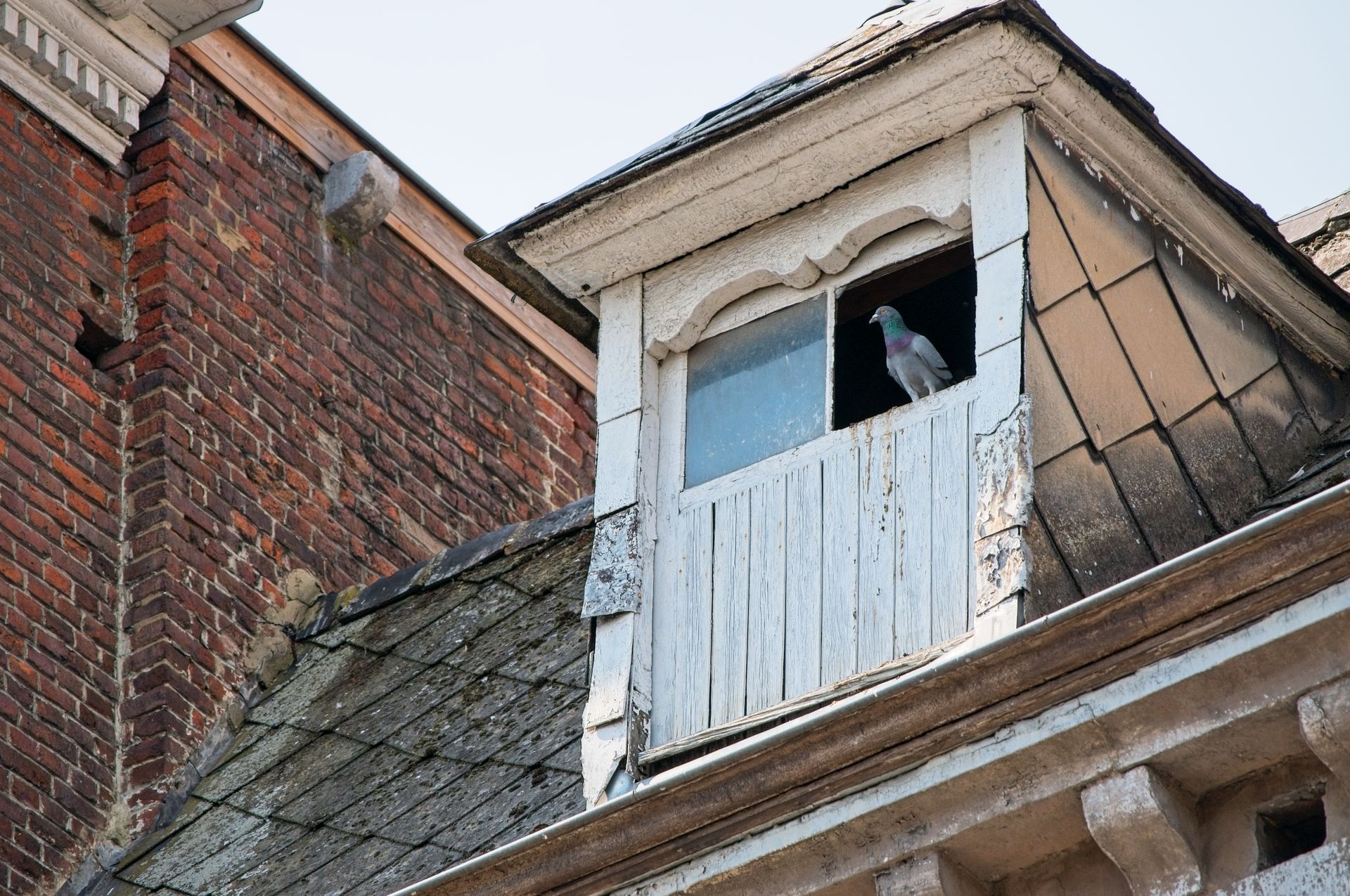
Why Wildlife Finds Your Home So Appealing
Wild animals seek shelter, warmth, food, and protection from predators. Unfortunately, houses can provide all these essentials, particularly when small structural openings offer access to protected spaces.
Attics provide relatively dry nesting areas, while crawl spaces and garages offer shelter from changing weather. Unsecured garbage, pet food, and fallen fruit can also encourage animals to visit repeatedly.
Once wildlife discovers a dependable shelter, removing the animal without addressing entry points may not prevent another visitor.
When considering wildlife removal, Vestavia Hill homeowners should look for specialists who can identify the animals involved, locate entry points, and recommend safe removal and prevention methods.
Understanding what attracts animals is an essential first step toward preventing recurring problems and protecting vulnerable parts of the home.
Recognizing Early Signs of Wildlife Activity
Animals often remain hidden for considerable periods before homeowners discover their presence. Scratching noises, unusual odors, and displaced insulation may be among the earliest indications of activity.
Sounds can also provide useful clues. Movement during daylight hours may suggest certain squirrel species, while heavier nighttime activity could indicate other animals. However, noises alone cannot reliably identify a species.
Droppings, damaged vent screens, torn soffits, and gnaw marks around structural openings deserve attention. These signs may indicate that animals have established access to interior spaces.
Homeowners should document unusual activity without entering potentially contaminated areas or approaching wildlife directly.
Early investigation can help determine whether the problem involves a temporary visitor or an established nesting location. The sooner these differences are understood, the easier it becomes to choose an appropriate response.
How Wildlife Can Damage More Than Your Attic
Wildlife activity inside a home can affect structural materials, electrical systems, insulation, and sanitation. Some animals chew through wooden components or disturb insulation while creating nesting spaces.
Damaged electrical wiring can present safety concerns, while torn ventilation materials may affect the performance of heating and cooling systems.
Animal droppings and nesting debris may also introduce contaminants into enclosed areas. The extent of risk depends on the species, location, and type of exposure.
The CDC’s guidance on preventing rabies from bats explains why direct contact with bats should be avoided and why potential exposures require prompt medical or public health assessment.
If a bat is discovered in a room where someone was sleeping, professional guidance is particularly important because an unnoticed exposure may be possible.
Recognizing these risks helps homeowners respond cautiously rather than treating wildlife activity as a harmless inconvenience.
Why Quick DIY Solutions Can Create Bigger Problems
Discovering an animal inside the house can make trapping, sealing, or using repellents seem like convenient solutions. However, acting without identifying the species and its nesting situation may make matters worse.
Sealing an opening while animals remain inside can trap them within walls or attic spaces. This is especially concerning when dependent young are present and unable to leave independently.
Using poison may also create problems when animals die in inaccessible areas. Handling unfamiliar wildlife introduces additional risks, including bites and scratches.
The Humane World for Animals guide to keeping wildlife out of your house explains why homeowners should confirm that animals have left before permanently closing entry points.
Professional assistance may be necessary when animals are nesting, behaving aggressively, or occupying difficult-to-access spaces.
A careful response protects both the household and the animals involved.
Understanding What Effective Wildlife Removal Involves
Successful wildlife removal begins with understanding the problem rather than immediately attempting to capture an animal.
A thorough inspection should identify the species, likely entry points, nesting locations, and any visible property damage. These findings help determine which removal methods are appropriate.
Humane exclusion techniques may allow certain animals to leave without returning, although timing and legal requirements can vary by species.
When young animals are present, removal may require additional precautions to avoid separating them from their mothers.
After the animals are gone, damaged openings should be repaired using suitable materials. Cleaning or replacing contaminated insulation may also be necessary depending on the extent of activity.
The objective is to resolve the immediate problem while reducing the likelihood of another animal occupying the same space.
Preventing Wildlife Through Better Exterior Maintenance
Many wildlife problems begin with small weaknesses around the exterior of a house. Damaged vents, loose trim, deteriorated soffits, and uncovered chimneys can create convenient entry points.
Routine exterior inspections help identify these vulnerabilities before animals discover them. Rooflines, foundation openings, and areas surrounding utility connections deserve particular attention.
Vegetation also influences accessibility. Branches extending close to the roof may provide pathways for climbing animals, while dense landscaping can conceal openings near the foundation.
Food sources should be managed carefully. Securing garbage containers, removing fallen fruit, and storing pet food indoors can make the property less attractive.
However, suspected entry points should never be sealed until it is clear that no animals remain inside.
Combining structural maintenance with habitat management provides more dependable prevention than relying exclusively on temporary deterrents.
Why Wildlife Problems Change Throughout the Year
Wildlife behavior varies with breeding seasons, food availability, and weather conditions. Understanding these patterns can help homeowners recognize when certain parts of their property require additional attention.
During breeding periods, animals may seek sheltered locations where they can raise their young. Attics, chimneys, and enclosed spaces can become attractive nesting sites.
Colder weather may also encourage animals to investigate protected structures, while severe storms can temporarily displace wildlife from familiar habitats.
These seasonal changes matter because removal methods that are appropriate at one time may create problems during another.
For example, excluding animals during periods when dependent young are present can result in separation or animals becoming trapped.
Regular inspections throughout the year help homeowners identify vulnerable areas without waiting for obvious damage to appear.
Keeping Your Home Protected for the Long Term
Wildlife prevention should be treated as part of routine property maintenance rather than a single response to an unexpected animal encounter.
Even after successful removal, structural openings, accessible food sources, and neglected exterior areas can create opportunities for future activity.
Homeowners should monitor repaired locations, maintain protective screens, and address new damage after storms or construction work.
If unusual noises, droppings, or recurring damage appear, further investigation may be necessary to determine whether animals have returned.
A dependable prevention strategy combines careful observation, appropriate repairs, and professional assistance when required.
Ultimately, protecting a home from unwanted wildlife involves more than removing an animal. It means understanding why the property became attractive, correcting the conditions that allowed entry, and maintaining a safer environment for everyone inside.

Meg is an author at Cinnamon Hollow. She writes on a variety of topics sharing tips and ideas for daily life.

