As the weather cools, most of us focus on staying warm and keeping energy bills down. What many homeowners miss is that the same season brings a second, less welcome challenge in the form of pests seeking shelter.
Warmth and pest control are more connected than they first appear, since both come down to how well a home is sealed.
This guide looks at how a tighter, better-insulated home stays comfortable while keeping unwanted visitors out.

Why Winter Exposes Hidden Home Problems
Cold weather has a way of revealing the weak points in a building. Draughts become obvious, rooms feel harder to heat and small gaps that went unnoticed all summer suddenly matter.
Those same gaps are an open invitation to pests looking for somewhere warm to nest. A home that leaks heat is very often a home that lets in more than just cold air.
The Building Envelope Is Your First Line of Defence
The building envelope is the barrier of walls, roof and floors that separates the inside from the outside. When that barrier is tight, it holds heat in and keeps the weather and pests out.
When it is full of gaps, the opposite happens on both fronts. Heat escapes through cracks and cavities, while those same openings give rodents and insects an easy way in.
Most homes have more of these weak points than their owners realise. Vents, pipe penetrations and gaps under floors all add up to a leaky, vulnerable shell.
Sealing and Insulating the Gaps
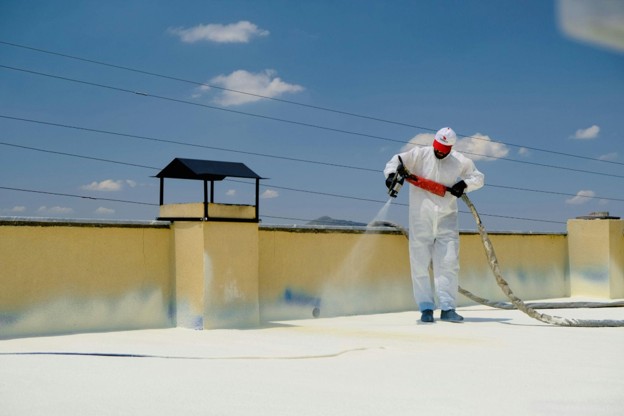
Improving the envelope usually starts with insulation, which slows the movement of heat through walls, roofs and floors.
Modern spray foam can fill awkward cavities and seal gaps that traditional batts simply cannot reach.
Because it expands to fill voids, foam doubles as both an insulator and an air seal. That dual action is why many homeowners invest in expert spray foam insulation services when upgrading older or draughty properties.
Sealing subfloors, roof voids and wall cavities makes a noticeable difference to comfort and running costs. It also closes off the warm, hidden spaces that pests love to colonise during the colder months.
Better sealing also helps with damp and condensation, which pests and mould both thrive on. A drier and tighter home is simply less hospitable to anything looking to move in.
How the Same Gaps Invite Rodents
Rodents are remarkably good at exploiting the smallest weaknesses in a home. A mouse can squeeze through a gap of just a couple of centimetres, while rats follow pipes, cables and cavities indoors.
Roof voids, wall cavities and subfloors are prime nesting territory once a rodent gets inside. These are the very same spaces that poor insulation leaves warm, dark and undisturbed.
Even a tiny entry point can become a highway once the first rodent finds it. Rodents leave scent trails that guide others straight to the same opening.
Why Rodents Head Indoors in Autumn and Winter
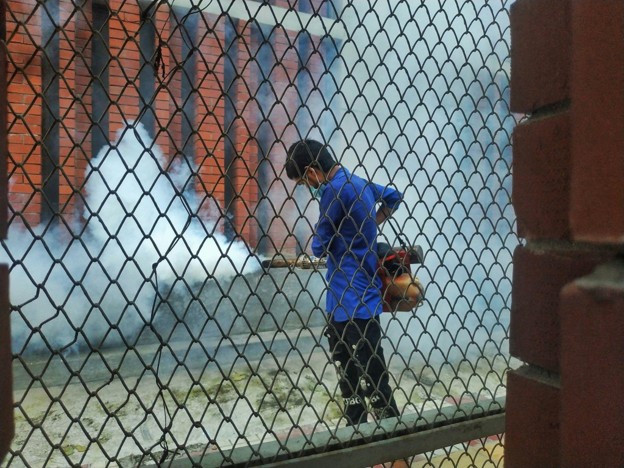
As temperatures drop, rats and mice leave their outdoor burrows in search of shelter and food. A warm roof cavity or wall void offers exactly the refuge they need to nest and breed.
This is why rodent activity tends to peak through the cooler months in many parts of Sydney. Properties near creeks, bushland or older buildings can be especially prone to seasonal invasions.
Food and water sources make an insulated home even more appealing to them. A warm void above a kitchen or laundry can tick every box a rodent is looking for.
The Hidden Cost of Ignoring It
Left alone, both heat loss and pest activity quietly get worse over time. Higher energy bills, chewed wiring, and contaminated insulation can add up to a serious repair bill.
There is a health angle too, since rodents can spread disease through droppings and urine. Acting early protects both your wallet and your household’s well-being.
Calling in the Professionals
Once rodents are inside, they multiply quickly and rarely leave on their own. They also chew through wiring, insulation and timber, creating both fire risks and costly damage.
If the signs of an infestation appear, bringing in a rat exterminator Sydney is the most reliable way to deal with the problem properly.
A professional can identify entry points, remove the existing population and advise on keeping them out for good.
DIY traps may catch the odd rodent, but they seldom address the source of the problem. Expert treatment combines inspection, removal and prevention so the issue does not simply return next season.
Reputable providers also use pet-safe and family-safe methods wherever possible. That means you can clear an infestation without putting your household at unnecessary risk.
A Combined Approach Works Best
Insulation and pest control are often treated as two separate jobs, yet they solve overlapping problems.
Sealing the home for warmth also removes many of the entry points and nesting sites that pests rely on.
The smartest plan tackles both together rather than in isolation. Seal and insulate the envelope, then deal with any existing pests, so the home stays comfortable and protected.
Coordinating the timing matters too, since sealing a home after treatment helps keep it pest-free for longer. Insulation effectively locks in the result once the pests are gone.
When to Bring in the Experts
Some jobs suit a confident do-it-yourselfer, but others really call for a professional. Spraying foam correctly and clearing an established infestation both take training, equipment and experience.
Getting expert help also tends to save money in the long run. A job done right the first time avoids the recurring costs of patchy insulation or recurring pest problems.
A good provider will also explain what they found and why it matters. That clarity helps you make confident decisions about your home rather than guessing.
Protecting Your Home Year-Round
While winter is the obvious trigger, a sealed and well-insulated home pays off in every season. The same barrier that keeps heat in during winter keeps it out during summer.
Pests follow a similar pattern, since a tight home is harder to enter at any time of year. Treating insulation and exclusion as ongoing maintenance keeps the benefits rolling on.
An annual check is a simple way to stay ahead of both problems. A quick look each year catches new gaps and early signs of pests before they grow.
Practical Steps to Take Now
Start with a simple inspection of the areas where problems usually hide. Check subfloors, roof voids and the gaps around pipes, vents and external walls for both draughts and droppings.
From there, prioritise sealing and insulating the worst offenders before winter sets in. Acting early is always cheaper and less stressful than reacting once the cold and the pests have arrived.
Keep food sealed and remove easy water sources while you are at it. Small habits like these make any insulation or pest work far more effective.
The Bottom Line
A warm home and a pest-free home come from the same foundation, which is a well-sealed building envelope.
Close the gaps, insulate properly and deal with any existing pests to solve two problems at once.
For Sydney homeowners, the cooler months are the ideal time to get both jobs done. A little preparation now means a winter that is comfortable, efficient and free of unwanted guests.
Think of it as one project with two payoffs rather than two separate chores. The effort you put in now keeps paying back through lower bills and a healthier home.