Saturday mornings at the local park have a special kind of energy. You hear cheering parents, the sharp whistle of a referee, and the excited shouts of kids giving it their all on the field. For many families, this isn’t just a weekend thing; it’s a big part of their social life. Getting involved in local sports is a powerful, often overlooked, way for families to really connect with their community. It builds bonds that last long after the game ends.
These shared experiences, season after season, create a sense of familiarity and friendship. You start by recognizing faces, then learn names, and before you know it, you’re chatting over coffee on the sidelines and planning team potlucks. It’s these simple, repeated interactions that turn a group of individual families into a supportive, connected community.
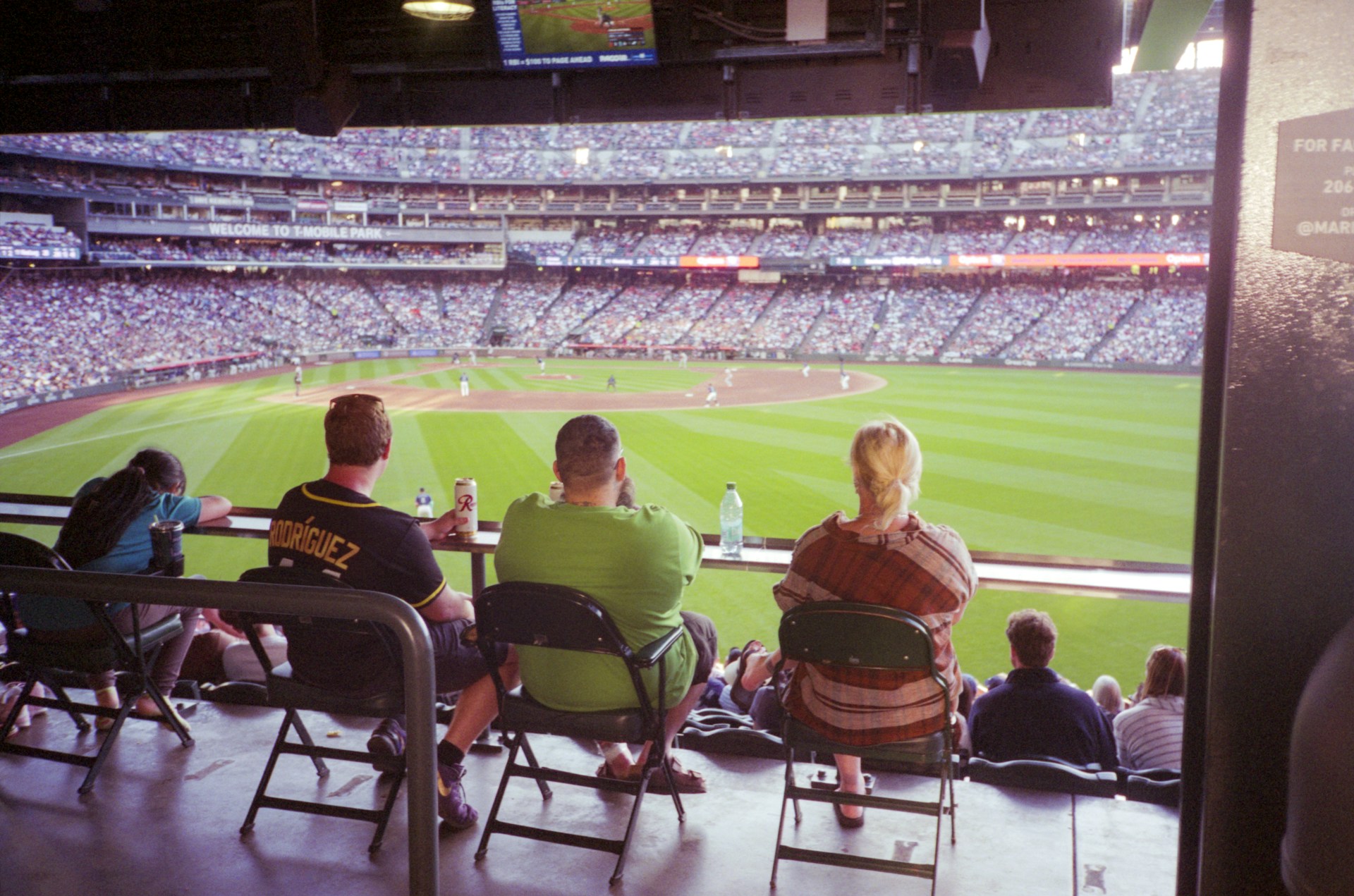
The Sideline Becomes a Social Hub
Think about the last time you were at your child’s game. You probably chatted with the parent next to you between plays, maybe about the weather, a questionable call, or how fast the kids are growing. These small talks are how real connections begin. Unlike more formal social gatherings, the sideline is a relaxed place. Everyone there shares a common interest: the kids playing.
This shared interest makes it easy to start talking. You’re all there for the same reason, invested in the same outcome. This common purpose helps break down social barriers that can sometimes exist between strangers. You celebrate a great play together and groan in unison at a near miss.
Sports can strengthen social well-being by making people feel like they belong and share an identity. The sideline isn’t just for watching; it’s a place to connect, laugh, and build friendships with other adults in your neighborhood.
Finding Your People Through a Shared Passion
Joining local sports teams is one of the best ways for families to find their “tribe.” When you sign your child up for one of the many community sports leagues, you’re not just enrolling them in an activity. You’re opening the door to a new social network for your whole family. Suddenly, you have a group of people who understand your busy schedule of practices and weekend games. These are the parents who will offer to carpool when you’re in a pinch or save you a seat in the bleachers.
These relationships often start with practical things but can quickly turn into real friendships. You spend hours together each week, sharing the highs of a big win and the lows of a tough loss. This consistent, shared experience builds strong social ties in sports communities. You go from being acquaintances to being allies. You learn about each other’s lives outside of sports, discover other shared interests, and create a support system that feels natural and essential. This network becomes incredibly valuable, giving you a sense of belonging that can be hard to find in our busy, modern lives.
Building Confidence and Connections for Kids
While parents are making friends on the sidelines, kids are doing the same on the field, with even deeper benefits. Youth sports offer a unique way for children to learn important social skills outside of school. They learn to talk with teammates, work together for a common goal, and handle winning and losing gracefully. These are lessons that will help them throughout their lives.
For many kids, their teammates become their first close friends outside of their school or immediate neighborhood. They bond during practices, long bus rides to away games, and team celebrations. This feeling of belonging is incredibly important for a child’s self-esteem and social growth. Understanding why community matters in youth sports helps us see that we’re not just teaching them how to play a game. We’re giving them a safe place to build character and form what can become lifelong friendships. They learn to trust, rely on, and support others, creating a close-knit group that feels like a second family.
From Teammates to a True Support System
The connections made through local sports rarely stay only on the field or court. What starts as a team relationship often grows into a much wider and more meaningful community support system. The parent you chatted with at soccer practice might become the person you call for a babysitter recommendation. The family you sat with at the swim meet could be the first to bring over a meal when you’re sick.
This ripple effect is one of the most wonderful things about getting involved in local sports. The shared experience creates a level of trust and familiarity that makes it easy to ask for and offer help. These aren’t just “sports friends”; they become part of your village. The immense value of community sport is clear not just in physical health, but in the social and emotional health of the entire neighborhood. When families are connected, the whole community becomes stronger, more resilient, and a more supportive place to live. The team carpool turns into neighborhood barbecues, and team potlucks become lasting family friendships.
Getting Involved Beyond the Game
One of the best ways to build stronger community connections is to go from just watching to actively participating. Volunteering is the next step in turning sideline acquaintances into real friends. Every local sports league depends on many parent volunteers to keep things running smoothly. You don’t have to be a sports expert to make a big difference.
Consider one of these roles:
- Assistant Coach: You can help with drills, encourage players, and be an extra set of hands for the head coach.
- Team Parent: This important role involves organizing snack schedules, sharing important information with other families, and planning the end-of-season party.
- Concession Stand Duty: Working a shift with another parent is a great way to get to know them better in a relaxed, cooperative setting.
- Fundraising Committee: Help organize events that raise money for new equipment or travel expenses, working alongside other dedicated parents.
When you pitch in and work with other parents, you build a different kind of bond. You’re all working together for the good of the kids, and that shared mission creates a powerful sense of unity. It’s in these moments of shared effort that casual friendships become much more solid.
The time you put into your local sports scene, whether on the sidelines or as a volunteer, pays off big time. It builds a network of support, creates lasting memories for your children, and strengthens the very fabric of your community, one game at a time.