- Rising energy costs are driving Australian households to seek smarter solutions.
- Everyday inefficiencies like standby power and overuse of heating and cooling add up.
- Connected technology reduces waste while improving comfort and convenience.
- Future homes will link with solar, batteries, and the grid for even greater efficiency.
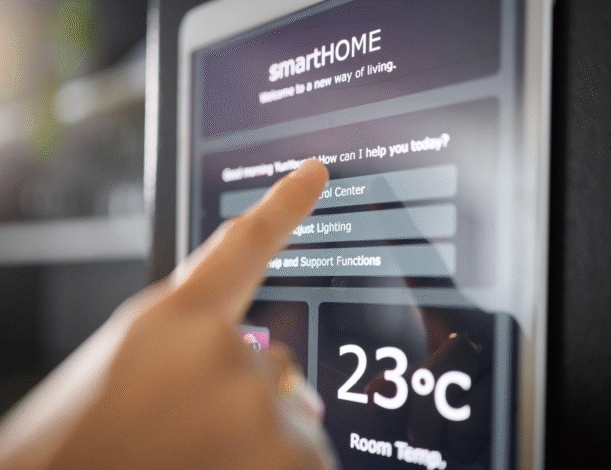
Whether you have found that your power bills are slowly rising or you are seeking a solution to live a more sustainable life, your house may have more potential than you realize. Even basic routines like leaving the lights on or leaving appliances on longer than they need to be can silently consume energy, and that can quickly accumulate in an entire home. Connected technology is now also being embraced by many Australians not only to reduce expenses but also to make their homes more responsive and comfortable. You can transform your home into a place that supports you and the environment by making a change in how you use passive energy to active control.
The Push Towards Smarter Homes
The concept of a smarter, more efficient home has ceased to be a niche interest across Australia and has become a mainstream objective. One of the reasons is the increase in electricity prices, but the other reason is environmental awareness. Sustainability programs at the state and federal level are urging households to consider their energy consumption carefully, and homeowners are exploring ways to find a balance between comfort and efficiency.
This trend is natural to connected technologies. They are silent background workers who adapt to your habits and tastes. You do not have to remember to turn everything off before you go to bed, but can trust systems that do it on your behalf. This transition is not about making everyday life more complicated, but about making the process of taking care of your home less taxing to your mind and decreasing the amount of energy wasted.
Daily Energy Problems at Home
There are those moments that fall through the cracks in every household. Leaving lights on in empty rooms, heaters operating excessively on warm days or televisions running on standby with no one watching. These habits usually appear small but when added up, the impact is felt when the quarterly bill comes.
The aged houses tend to add to the issue with old-fashioned wiring, inefficient appliances, or inadequate insulation. In the modern house, one can fail to notice the hidden attraction of the devices that remain plugged all the time. Energy inefficiency is not usually caused by one big mistake; it is usually a series of small holes in the system. The initial step in making significant changes is the ability to recognise those daily patterns, and this is where connected technology starts to prove its worth.
The Way Connected Tech can Help to Minimize Energy Waste
The true benefit of connected technology is that it addresses those inefficiencies that happen in everyday life automatically. Smart thermostats get to know when you tend to be at home and will turn heating or cooling on or off so you are not spending money on comfort in an empty house. Lighting can be dimmed down during the evening or can be turned off when no movement is detected, minimizing unnecessary use. You can even have power outlets programmed to turn off appliances that have a habit of consuming power when they are not in use.
When you integrate smart home devices, the effect is more powerful than using them individually. One light that turns off could save a bit, but when your lighting, climate control, and appliances are able to communicate with one another, your home can be more energy conscious. The outcome is a smaller amount of waste and little manual labor, and a more comfortable routine that fits your real life day-to-day.
Comfort and Efficiency
Saving of energy does not imply compromise to comfort. The combination of the two is one of the greatest advantages of connected technology. These systems do not have to follow rigid schedules, like shutting everything down at a specific time, but rather adapt to your routine. When you like to walk into a warm living room on a winter evening, you can have the heater set to turn on before you get there. Blinds can also be automatically closed on hot days to ensure rooms remain cool without the air conditioning working so hard.
This is also influenced by convenience. Voice assistants and mobile applications allow you to view and modify settings wherever you go, meaning you will always be in control without the need to be physically at home. This elasticity demonstrates that efficiency does not necessarily imply constraint. It may seem like your home is waiting to hear your needs and silently controlling energy consumption.
The Future of Smarter Australian Homes
The trend towards an energy-conscious lifestyle is only likely to increase in Australia. Solar panels and battery storage are already visible in suburbs, and the next step is to tie these systems to home devices. Homes can minimize dependence on peak-time electricity and further cut costs when appliances have the ability to draw power directly off of stored solar energy or respond to signals sent by the grid.
More sophisticated sensors and automation will also be applied to future-ready homes. Consider a washing machine that is operated during peak sunshine, or a hot water system that is heated only when there is low energy demand in the neighbourhood. These changes are not going to occur overnight, but they are gradually becoming more available, and early adopters are already demonstrating how much difference connected tech can make.
Conclusion
Energy efficiency is not a fad but a sensible way of living in the current times. When technology does the little, routine work that tends to consume power, you have more time and more control over how your home operates. The outcome is a more comfortable and less expensive space to maintain. With the continued development of connected systems, Australian households have a genuine chance to build homes that accommodate their lifestyle and minimize unnecessary energy consumption.