Handling renovation waste well starts before the first wall comes down. Whether the project is a bathroom gut job or a full structural teardown, the debris that comes out of a renovation site falls into two broad categories: general construction and demolition waste, like concrete, drywall, and lumber, and hazardous materials that require separate handling entirely.
Waste separation is the decision that shapes everything downstream. It determines cost, safety compliance, and how much material stays out of a landfill. A practical workflow moves in a clear sequence: plan disposal routes before demolition begins, sort materials as they come out, isolate any hazardous waste immediately, then route salvageable or recyclable materials accordingly. Final debris removal comes last, once everything else has been properly staged.
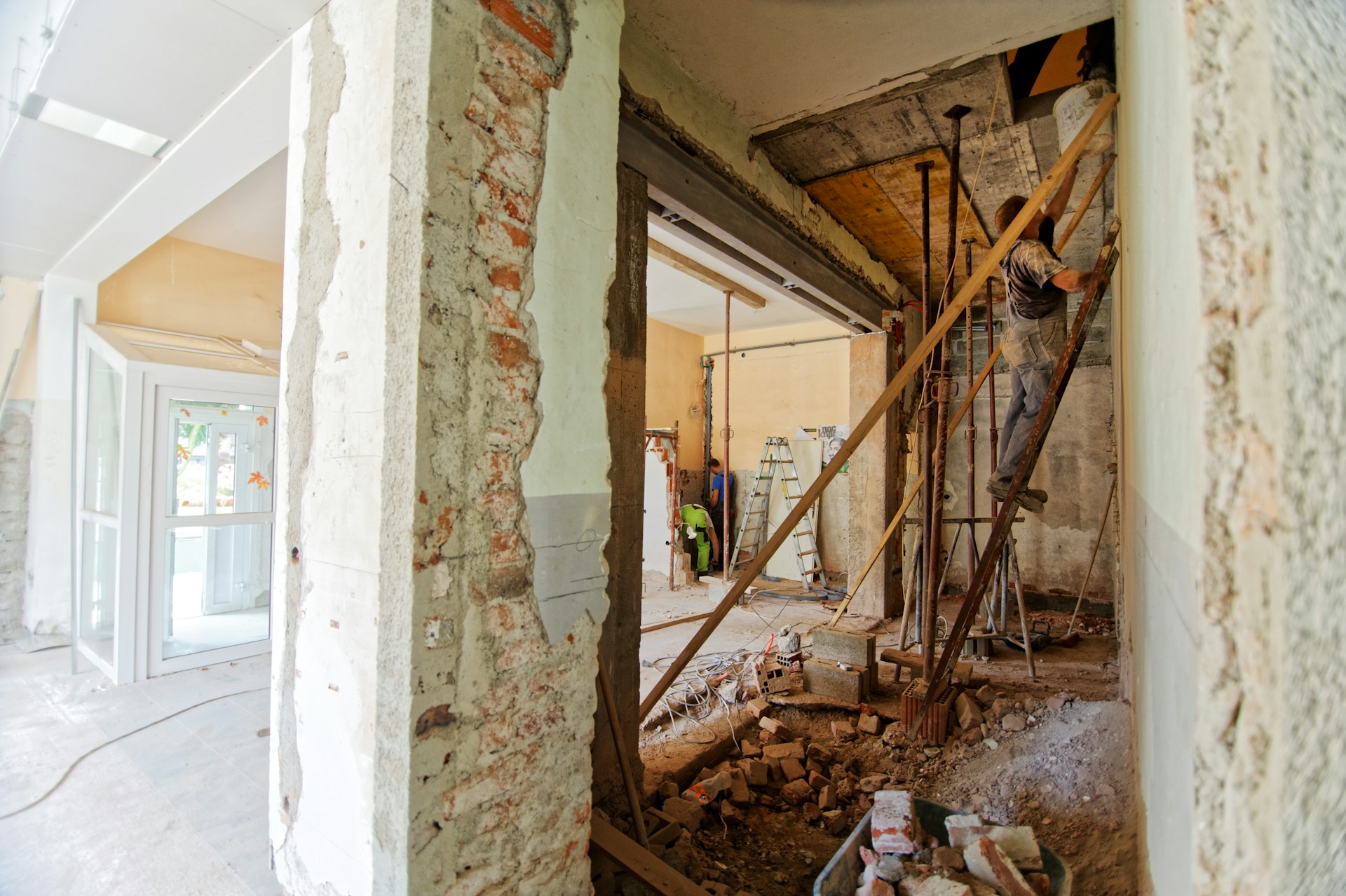
A Simple Workflow for Renovation Waste
Getting renovation waste under control means following a consistent sequence rather than reacting to whatever pile forms first. Plan, sort, isolate hazards, route materials to reuse or recycling, and then schedule the final haul-off.
General construction debris, such as concrete, drywall, and lumber, follows a different disposal path than hazardous waste, and keeping those two categories separate from the start is what makes the rest of the process manageable. Contractors working at scale often rely on dumpster rentals for renovation waste to handle ongoing debris loading, while those managing larger or multi-phase projects sometimes invest in roll off dumpster trailers for sale to keep steady volumes of concrete, drywall, and mixed construction debris moving efficiently on site.
Plan the Cleanup Before Demolition Starts
Effective waste management on a renovation site begins with a plan, not a pile. Before any construction debris starts coming out, the first step is identifying exactly what materials will be removed: wood, metals, drywall, concrete, tiles, and any hazardous items like old insulation or lead paint.
From there, separate collection zones or labeled containers should be set up so materials stay sorted from the moment they leave the structure. This prevents mixed loads, which are harder to process and more expensive to dispose of. Estimating volume early ensures the right dumpster size or hauling arrangement is in place before work begins. It is also worth flagging salvageable materials at this stage, since wood, fixtures, and metals can often be donated or redirected through responsible junk removal practices, supporting both recycling goals and broader sustainability on the project.
Sort Debris by Material and Risk Level
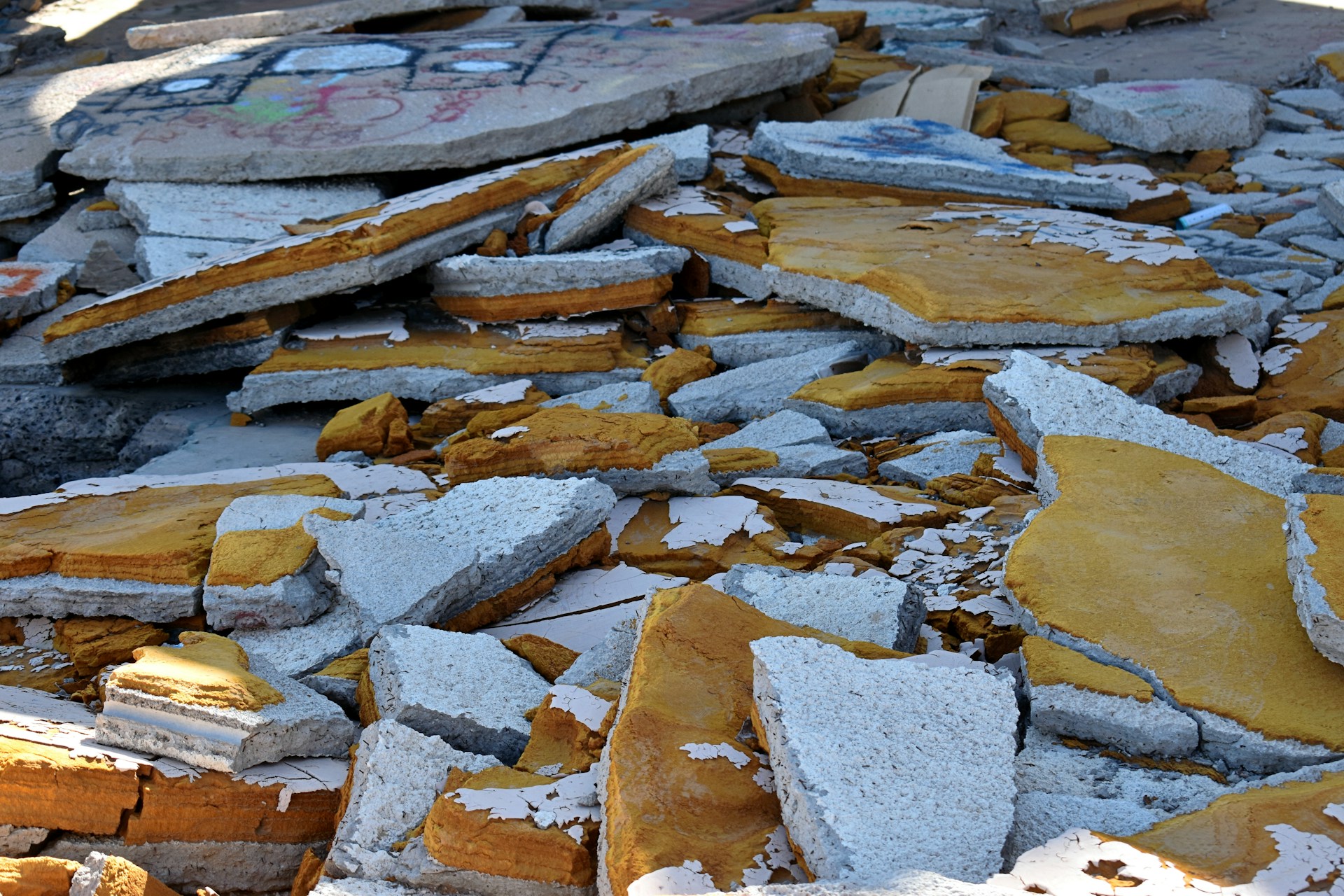
Not all renovation debris gets handled the same way, and treating it as one uniform pile creates problems at every downstream step. The key framework is straightforward: separate by material composition first, then by hazard level.
What Can Usually Be Recycled or Reused
Many common construction and demolition waste materials have strong recycling pathways. Concrete can typically be crushed and repurposed as aggregate, while metals like steel, copper, and aluminum are widely accepted at scrap facilities.
Drywall recycling depends more on local program availability, though some regions accept clean gypsum for reprocessing. Wood, tiles, and fixtures vary by condition, but usable pieces often qualify for donation or resale.
What Needs Special Handling
Hazardous materials require a completely separate process. Asbestos, lead-based paint, solvents, and adhesives must never be mixed into general demolition cleanup loads, as doing so creates liability and can violate disposal regulations.
These materials need to be identified early, isolated immediately, and routed to licensed handlers. The EPA guidelines on sustainable management of construction and demolition materials outline which categories fall under regulated disposal and what standards apply.
Stay Compliant During Debris Removal
Before any hauling or pickup is scheduled, checking local waste disposal regulations is a necessary step that many teams skip until a load gets rejected or a fine arrives. As covered in the sorting section above, mixing hazardous waste into general loads is one of the most common compliance failures on renovation sites.
Permit requirements, transfer station rules, landfill restrictions, and municipal sorting mandates vary by jurisdiction. What is accepted in one county may be rejected outright in the next, so confirming local requirements before debris removal begins prevents costly delays.
For construction and demolition materials, EPA guidelines outline expectations for regulated waste streams, including materials that cannot be mixed into general loads. Hazardous waste, in particular, carries strict disposal standards tied to worker safety and legal liability. Failing to separate it properly can result in rejected loads at the landfill, remediation costs, or regulatory penalties that far exceed the original disposal expense.
Wrap Up with Less Waste and Fewer Delays
Managing renovation waste well comes down to a few decisions made early: planning disposal routes before demolition begins, sorting construction and demolition debris by material and risk level, and keeping hazardous materials separate from general loads throughout. When materials are separated at the source, recycling becomes a realistic outcome rather than an afterthought. Concrete, metals, and salvageable fixtures all have viable pathways that reduce landfill burden. Following that sequence, from pre-demolition planning through compliant debris removal, keeps the entire process manageable and legally sound.