When you’re dealing with depression, how you decide to treat it is a deeply personal choice, and one you might feel uncertain about. Some people can manage their symptoms through lifestyle changes or therapy alone, but others really do benefit dramatically from medical support to help balance their mood and regain a little footing. Here, we’re going to look at the option of medication, the different types, and when they may be the right option for you.
Understanding The Different Types
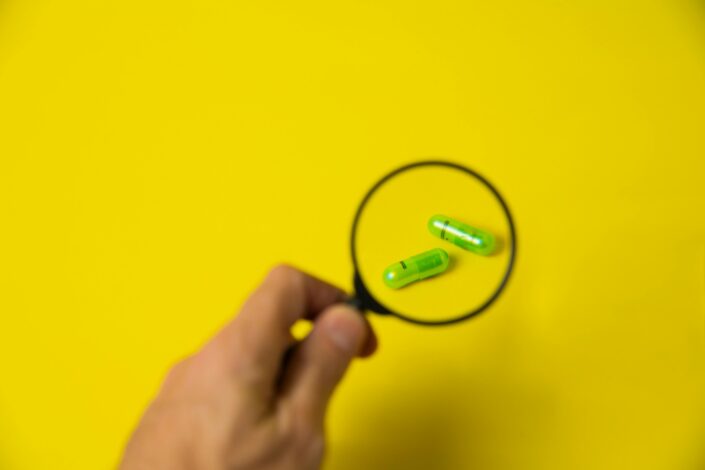
There are several different types of antidepressant medications, which can help regulate brain chemistry in different ways depending on the severity of your symptoms, as well as other health factors in play. This can include SSRIs (selective serotonin reuptake inhibitors), SMSs (serotonin modulators), and others, which often aim to balance neurotransmitters that affect your mood and stability. As such, even if you’re concerned about the effectiveness of one type of medication in particular, there are plenty of other options to explore as well.
When It Might Be Recommended
While it’s not always considered a first choice in treating depression, medication is often recommended when depression symptoms worsen. Moderate and severe depression symptoms can greatly impact how you function from day to day, such as your relationships and ability to function at work or with your family responsibilities. It’s important to consider that depression often has a biological component, beyond lifestyle alone, and that sometimes the brain may effectively need a kickstart to release the chemicals that allow you to feel better moods. A healthcare professional will assess your symptoms, history, and overall well-being before making a recommendation.
Considering Potential Side Effects
Some people may hesitate to choose antidepressant medications because they’re aware that they might have side effects. These can largely depend on the type of medication. For instance, the side effects of vilazodone, a common SMS, can include nausea, headaches, or diarrhea, while other antidepressants are known for their effects on metabolism and weight gain. Many of these side effects can be managed with over-the-counter painkillers, regular walks, and balanced meals, but it’s worth learning about the potential side effects of any medication you consider taking, how to manage them, and your alternative options.
How They Work With Other Treatments
Antidepressants are often not prescribed as the sole treatment of depression, but in tandem with other approaches, as well. Mental health support, such as counseling, cognitive behavioral therapy, and support groups for specific contributors to depression (such as grief), can address the psychological aspect of the condition, while medication deals with the biological aspects. This integrated approach can help people build the coping strategies and address thought patterns that lead to depressive thought cycles, while medication provides more immediate support, which can help greatly with long-term recovery.
Considering medication as an option when dealing with depression can open the way to a little relief from the emotional turmoil it often represents. Talk to your healthcare professional to decide whether or not it’s right for you.
The owners and authors of Cinnamon Hollow are not doctors and this is in no way intended to be used as medical advice. We cannot be held responsible for your results. As with any product, service or supplement, use at your own risk. Always do your own research and consult with your personal physician before using.