Driving should feel routine and safe, whether you’re commuting or taking a family trip. But with more traffic and distractions than ever, staying focused on the road takes real effort. Mindful driving isn’t just about following rules; it’s about actively protecting yourself, your passengers, and everyone else around you.
Making a few intentional changes to how you drive can significantly reduce your risk and make every journey safer.
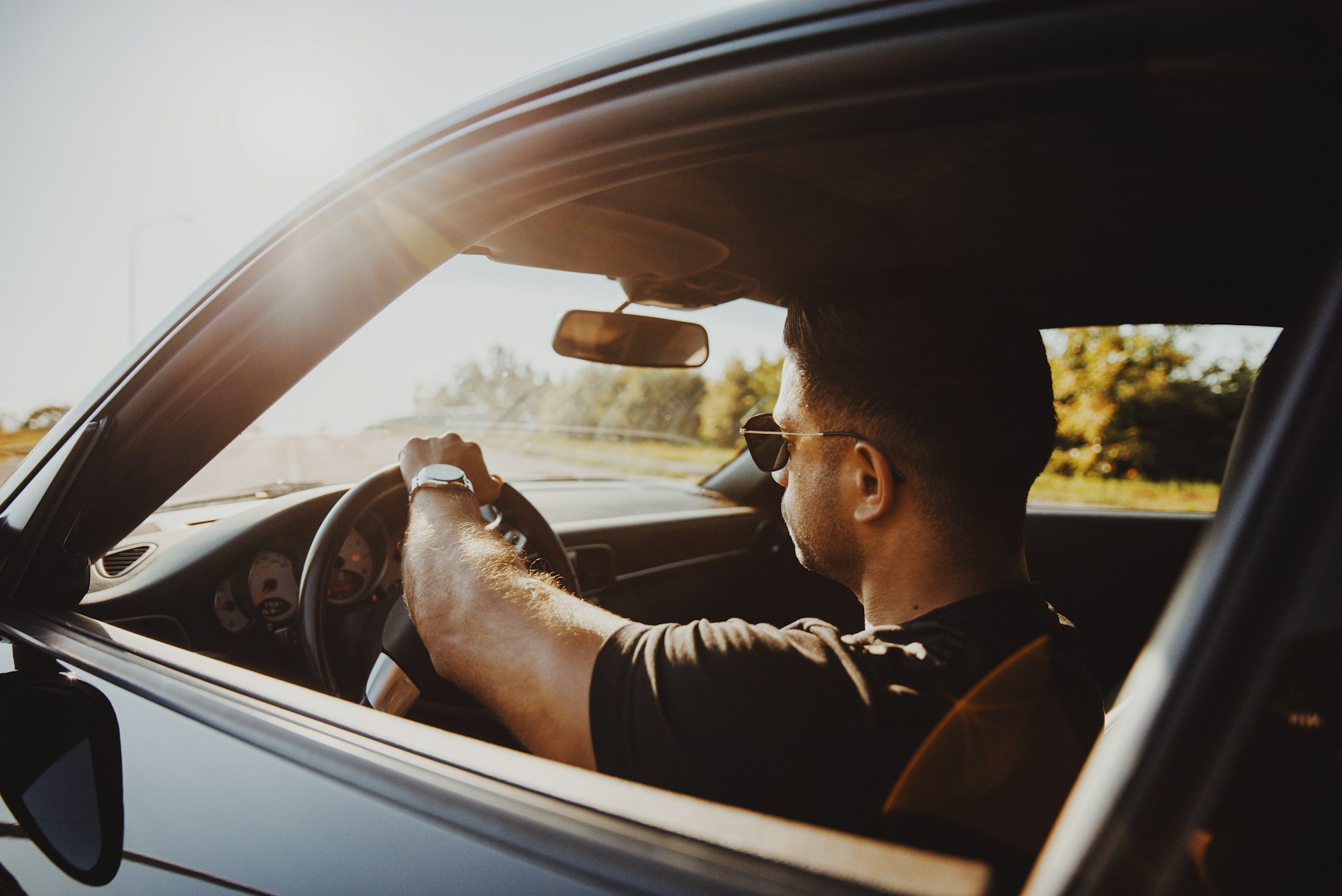
Distraction-Free Driving Tips
In today’s connected world, distraction is the biggest threat to mindful driving. Your phone is the most obvious problem, but in-car tech, food, and even conversations can pull your attention away. The first step to a safer commute is to make your car a distraction-free zone.
Before you even start the car, put your phone on silent and place it out of reach. If you need navigation, set your destination before you begin driving. Many smartphones have a “Do Not Disturb While Driving” mode that can automatically silence notifications and reply to texts. Also, try to avoid eating or having intense conversations while driving. If something needs your full attention, pull over somewhere safe.
Defensive Driving Techniques
Defensive driving means being proactive, not just reacting. It involves anticipating potential hazards and other drivers’ mistakes. One of the best techniques is to keep a safe following distance. The “three-second rule” is a good guide: watch the car ahead pass a fixed object, like a sign, and count a full three seconds before you pass the same object. This gives you enough time to react if they brake suddenly.
Beyond that, always scan your surroundings; don’t just stare at the car in front. Check your mirrors every few seconds and know what’s happening in other lanes. Always have an escape route in mind in case you need to swerve to avoid something. Still, you can’t control everyone on the road. If another driver’s carelessness causes an accident despite your best efforts, you might need guidance. In these complex situations, getting advice from a professional resource like the Dressie Law Firm can help you understand your next steps.
The Impact of Road Rage
Aggressive driving and road rage create dangerous situations for everyone. Tailgating, speeding, and angry gestures can quickly turn a small frustration into a serious confrontation or crash. The key to handling road rage, whether it’s yours or someone else’s, is to calm things down. If you see another driver acting aggressively, don’t engage. Avoid eye contact, don’t gesture back, and give them plenty of space. If they keep following or harassing you, drive to a public place or a police station.
It’s also important to be aware of your own feelings. If you find yourself getting angry or frustrated behind the wheel, take a deep breath and try to regain perspective. Remember that getting there safely is more important than being right. Understanding and managing your own aggressive driving tendencies is a crucial part of being a responsible driver.
After an Unexpected Road Incident
Even the most careful drivers can get into an unexpected road incident. If it happens, your first priority is safety. If you can, move your vehicle to the side of the road to avoid blocking traffic and causing another hazard. Turn on your hazard lights.
Check yourself and your passengers for injuries. Even if you feel fine, adrenaline can hide pain, so it’s always smart to get checked by a medical professional. Call 911 to report the incident and ask for police and medical help if needed. When it’s safe, exchange contact and insurance information with the other driver.
Use your phone to take pictures of the scene, including vehicle damage and license plates. Avoid discussing who was at fault at the scene; just stick to the facts when talking to the other driver and the police.
Maintain Your Vehicle for Safety
A safe commute starts before you even turn the key. Regular vehicle maintenance is a basic part of mindful driving, as it helps prevent unexpected equipment failures that could lead to an accident. You don’t need to be a mechanic to keep up with the basics.
Regularly check your tire pressure and tread depth. Properly inflated tires give you better grip and handling, while worn-out tires can be dangerous, especially in wet conditions. Make sure your brakes are working correctly and aren’t making any grinding noises. Finally, periodically check that all your lights, headlights, taillights, and turn signals, are working so other drivers can see you and understand what you plan to do.
By committing to these mindful habits, you’re not just making yourself safer. You’re helping create a safer, more predictable environment for everyone on the road.

Meg is an author at Cinnamon Hollow. She writes on a variety of topics sharing tips and ideas for daily life.