Modern society is evolving faster than ever before. New technologies, new social norms, work shifts, and personal relationships alter people’s lifestyles on a daily basis. Life transitions in earlier times used to be a slow process that followed a predictable course of action. Today, life transitions are quick and often bring several aspects of life into question, including emotions, finances, and identity.
Whether it is a person’s professional life, relocating abroad, separation from a lifelong partner, or personal goals that are about to undergo a shift, the ability to adapt to change is paramount. Even though this process might prove challenging, it allows individuals to explore their strengths and learn new things about themselves.
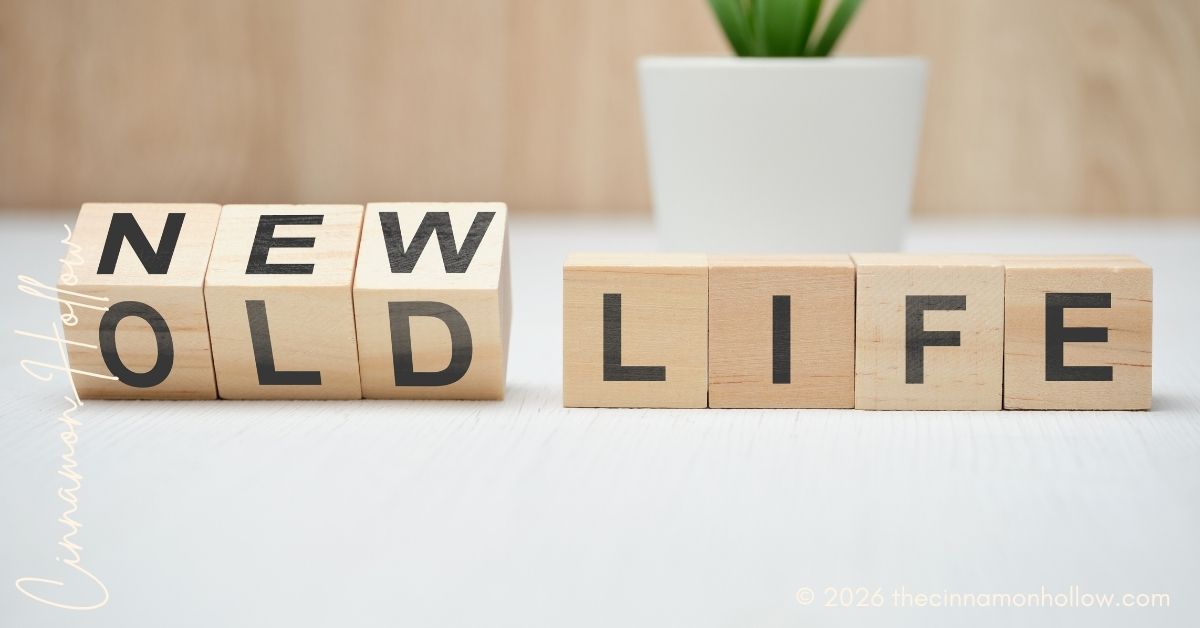
View more by gesrey from Getty Images
The Reality of Constant Change
The contemporary world favors flexibility. There are fast-evolving industries, there are changing paradigms in the workplace with the rise of remote jobs, there are new ways to communicate and interact that are affected by modern technologies. Technology and social media, in particular, have made people compare themselves to others much quicker than before.
Meanwhile, people’s lifestyles have become more dynamic and fluid. The average person now switches careers several times in his or her lifetime, moves from city to city, and even changes personality traits dramatically throughout life. Although it provides numerous opportunities and freedoms, it forces people to adapt to new circumstances.
Not all changes happen willingly. They can come suddenly through losing a job, suffering from illness, or splitting up with a partner. Knowing how to cope in these circumstances will make a great impact on emotional stability and resilience in the future.
Managing Emotional Transitions
One of the greatest obstacles one faces when going through major life changes is coping with emotions. While events like marriage can be considered positive, they too bring about stress in people due to the disruption of their normal routines. Individuals usually underestimate how much impact changes have on their psychological and emotional well-being.
In cases where relationships come to an end, individuals will need to rebuild their daily routine, social environment, and plans for the future. In some cases, legal obligations will also be included. At times like these, having some sort of structure and clarity is needed. Many couples choose to organize responsibilities through a divorce agreement that outlines financial arrangements, parenting responsibilities, and shared commitments in a respectful and practical way. Being honest and upfront in such scenarios usually helps to minimize the risk of conflicts and confusion.
Taking care of oneself is vital at such times. It entails staying in contact with social circles, working out, and establishing reasonable short-term goals. It is also advisable to seek guidance from close ones or even experts when emotions get overwhelming.
Redefining Identity in a Digital Era
Our identities in modern times are very much associated with our digital identity as well. There is a wide range of channels in which we express ourselves such as Facebook, LinkedIn, Twitter, blogs, and any other personal pages on the internet. As a result, our lives’ transitions do not just affect us but rather our online presentation of ourselves as well.
After significant transitions, many individuals feel the need to refresh how they present themselves online. Something as simple as updating a biography, changing social media activity, or changing a profile picture can symbolize a fresh start and renewed confidence. Digital representation has become a meaningful extension of personal identity, especially in professional and social environments where online impressions matter.
Moreover, the desire to project oneself as successful and always happy in online spaces can add some extra stress on people. Our social media is usually filled with edited and polished photos and posts, leaving nothing about our struggles in reality. Remember that personal development is not fast nor easy.
Career Changes and Professional Reinvention
It has become increasingly common for professionals to change jobs in the contemporary workforce environment. Automation, artificial intelligence, and global competition constantly change industries. Thus, many workers realize that lifelong employment in one industry cannot be assured anymore.
Career shifts are daunting due to their financial risks and uncertainties. However, career change may bring more satisfaction as people will engage in occupations that are aligned with their changing preferences and values. It has become easier to make a transition through learning new skills, online education, and remote jobs.
Adaptability has been listed as the most important professional skill in the contemporary economy. Many companies prefer employees who can adapt quickly, collaborate well, and cope with uncertainty. Instead of being scared by the prospects of change, successful professionals capitalize on the opportunities it presents.
Networking has been considered crucial for professionals during career transitions. Networking can open up opportunities that are not possible through conventional hiring processes. A person should have a good professional reputation in order to stay in the limelight of competitive industries.
The Importance of Financial Stability
Transitions in life also affect financial matters. Relocating to a different city, changing career paths, or reorganizing living arrangements following a separation will affect budgeting and planning. Insecurity in the realm of finance contributes to why transitions in life tend to cause stress.
Developing a plan that will be effective financially can ease stress during times of uncertainty. This could mean keeping track of expenses, creating an emergency fund, or seeking advice from experts in the field. With an idea of where one stands financially, they can act based on their strength.
Advancements in technology have provided more convenient methods of managing finances. Budgeting applications, online banking services, and other means to manage money offer easier ways of monitoring income and expenditure compared to past decades. Still, technology cannot replace proper planning and sound judgment.
In order to ensure financial wellness in the long run, there should be a balance between satisfying immediate needs and planning for the future. Impulsiveness during emotionally charged moments may cause future inconveniences.
Building Resilience Through Change
Resilience does not mean living without challenges but having the capacity to bounce back and adapt to change. Transition periods provide important lessons on what is important, the people who matter, and one’s own resilience and capabilities.
Another significant characteristic of resilience is acceptance of change as a normal experience in life. Not everything needs to be changed to suit one’s preferences, and resisting every change causes more stress. Embracing new experiences and situations can help gain personal insights.
Healthy routines are vital for resilience. Having consistent sleep patterns, engaging in physical activities, consuming well-balanced meals, and practicing mindfulness can stabilize one’s emotional well-being amid challenging times. Simple actions taken daily might yield better results than grandiose attempts at sudden change.
It is essential to keep things in perspective when facing challenges. Challenging times do not reflect one’s entire life story; most transition phases eventually prove to be important milestones in building a better relationship, career opportunities, and self-knowledge.
Looking Ahead With Confidence
The contemporary world will keep evolving and provide opportunities along with problems. Although the future can be unpredictable, it also prompts humans to adapt, acquire knowledge, and find their definition of success.
Overcoming the process of change calls for mental toughness, proper planning, and patience. Regardless of whether a person is recovering from a divorce, switching career tracks, or transforming their online image, every change presents an opportunity for renewal.
Growth seldom occurs without some degree of discomfort; however, change usually lays the groundwork for later achievements. With an open attitude toward adaptation, strong connections with loved ones, and an emphasis on health, individuals can navigate through life with ease and clarity.
The owners and authors of Cinnamon Hollow are not doctors and this is in no way intended to be used as medical advice. We cannot be held responsible for your results. As with any product, service or supplement, use at your own risk. Always do your own research and consult with your personal physician before using.