

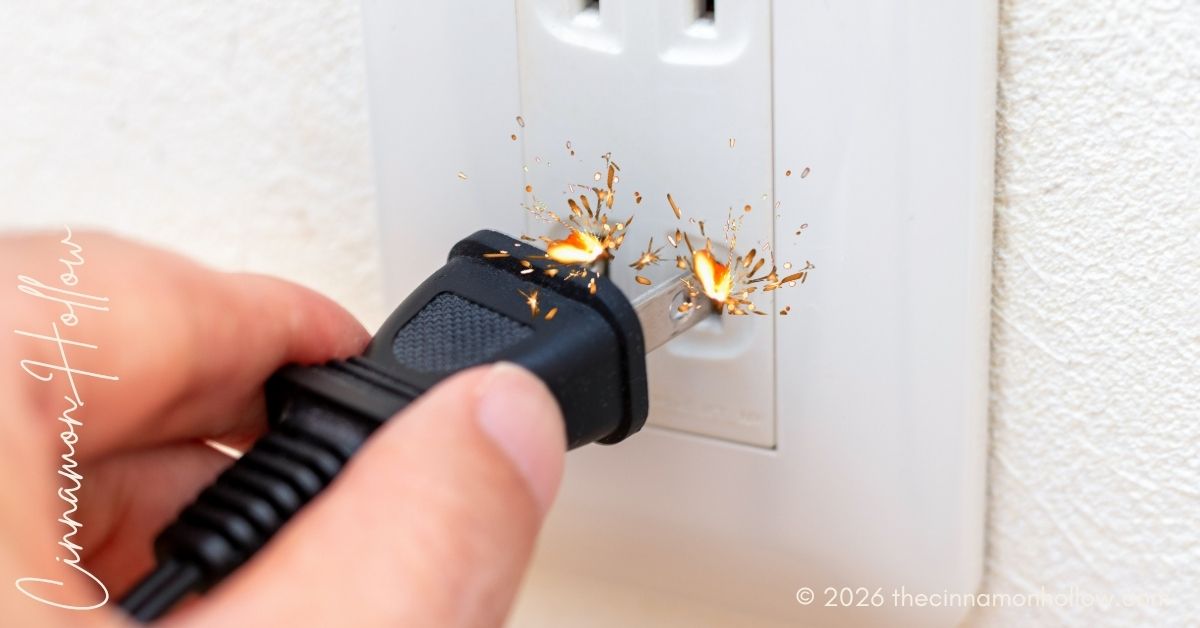
A sparking outlet is never something to ignore. Even a small flash near a switch plate can signal a problem building behind the wall, and understanding the cause makes it easier to decide whether a quick fix will do or whether professional help is needed. Below are six common reasons outlets spark, along with what each one usually means.
Sometimes the issue is minor, like a buildup of dust, and sometimes it points to something more serious, like failing wiring inside the wall cavity. When sparking happens more than once, or appears alongside a burning smell, discoloration, or a warm faceplate, it is worth calling a licensed professional rather than guessing. An Electrician Newtown can inspect the circuit, identify the source, and carry out repairs safely, since working inside a live panel or outlet without proper training carries real risk.
Loose Or Worn Outlet Connections
Over time, the screws and wire terminals inside an outlet can loosen, especially in sockets that see frequent use. A loose connection creates resistance, and resistance generates heat and small arcs of electricity, which appear as sparks when a plug is inserted or removed. Older outlets, or ones installed decades ago, are particularly prone to this kind of wear.
Moisture Exposure Near The Outlet
Water and electricity are a dangerous combination. Outlets located near kitchens, bathrooms, laundries, or exterior walls can be exposed to humidity or the occasional splash, and moisture inside the socket can cause short circuits that produce visible sparking. This is one reason building codes require moisture-resistant outlets in certain rooms.
Faulty Or Damaged Appliances
Not every spark originates in the wall. A frayed cord, a damaged plug, or an appliance with internal wiring faults can send a surge back through the outlet the moment it is connected. If sparking only happens with one particular device, the appliance itself, rather than the outlet, is likely the culprit.
Old And Outdated Wiring
Homes built many decades ago may still have original wiring that was never designed for the electrical load of modern households. Insulation on old wires can crack or degrade, and outdated materials such as aluminum wiring are known to cause connection problems that lead to sparking. According to the Electrical Safety Foundation International, home electrical fires are frequently traced back to wiring issues and problems with electrical distribution systems.
Overloaded Circuits
Plugging too many high-draw devices into a single outlet or circuit forces the wiring to carry more current than it was designed for. This strain can cause overheating and sparking, particularly with power boards or extension leads that are pushed beyond their rated capacity. Electrical fires can result from faults in electrical wiring, such as those caused by short circuits, overloaded circuits, and similar conditions.
Foreign Objects Or Debris Inside The Socket
Dust, lint, or small objects lodged inside an outlet can interfere with the contacts and create a path for arcing. This is more common in outlets that go unused for long periods, or in homes with pets or young children where small items sometimes find their way into sockets. A protective cover or childproof insert can reduce this risk considerably.
Sparking outlets are rarely something to wait out. Identifying the pattern, whether it happens with every device or just one, whether the outlet feels warm, or whether it occurs near moisture, gives useful clues about the underlying cause. Addressing the issue early, rather than hoping it resolves on its own, is the safest path forward.

Meg is an author at Cinnamon Hollow. She writes on a variety of topics sharing tips and ideas for daily life.


