Every parent eventually reaches a point where they wonder how well they really know what is going on in their teenager’s life. It is not about distrust. It is about the reality that adolescence comes with new social circles, new pressures, and sometimes new risks that a parent cannot see just by asking how school went. That is part of why at-home drug testing has quietly become one of the more practical additions to family medicine cabinets, right alongside the thermometer and the first aid kit.
A Shift From Reactive to Proactive Parenting
For a long time, drug testing was something that happened after a problem was already suspected or confirmed, usually as part of a formal intervention or a school policy. That reactive approach still exists, but a lot of families are moving toward a more proactive mindset instead. Keeping a simple test on hand means a parent can address a concern early, calmly, and privately, without needing to escalate the situation before they even have information.
This shift mirrors a broader trend in home health. Families already keep pregnancy tests, blood pressure monitors, and glucose meters at home because waiting for a clinic appointment is not always practical. Drug test cups fit into that same category of accessible, at-home screening tools.
What Makes At-Home Testing Approachable
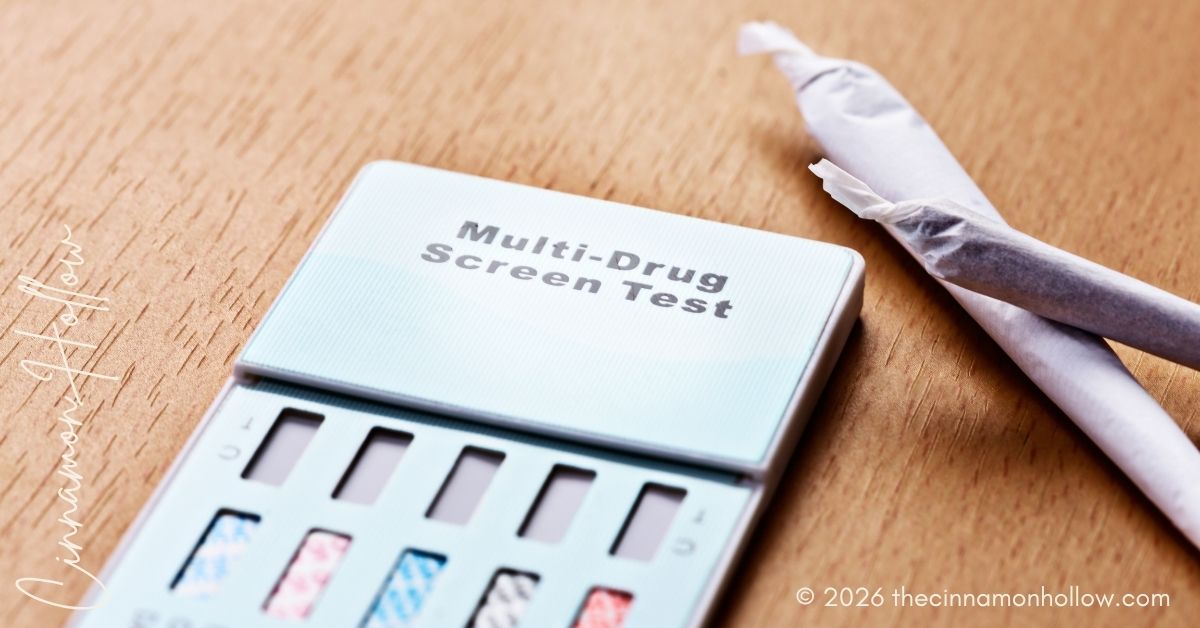
The tools available today are far simpler than what most parents picture when they think of drug testing. Multi-panel cup tests, for example, are designed so a sample can be collected and read within minutes, with results appearing directly on the cup itself. No lab visit, no waiting days for a callback, and no awkward conversation with a pharmacist about why you need one.
Companies like 12 Panel Now specialize in exactly this kind of product, offering multi-panel test cups that screen for a wide range of substances in a single pass. That range matters. A single-panel test only checks for one substance, which leaves a lot of blind spots. A 12-panel test casts a much wider net, which gives a parent a more complete picture rather than a partial one.
Starting the Conversation the Right Way
Buying a test kit is the easy part. The harder part is deciding how and when to use it in a way that keeps trust intact. Most family counselors recommend being upfront rather than testing in secret. Telling a teenager that random home testing is part of the household’s rules, the same way curfews or phone check-ins might be, tends to land better than a surprise confrontation. It frames the test as a boundary rather than an accusation.
It also helps to separate the test itself from the outcome. A single positive result is information, not a verdict. It opens a conversation about pressure, curiosity, or a specific situation, rather than closing one down. Parents who approach it this way tend to have more productive follow-up conversations than those who treat a test as the final word.
Beyond Teenagers: Other Reasons Families Keep Kits on Hand
Teen monitoring is the most common reason people search for at-home kits, but it is not the only one. Some parents use them as part of custody or co-parenting agreements where documented sobriety matters. Others keep them on hand for adult children who are in recovery and have asked for accountability support. Small business owners running a household staff, like a nanny or an in-home caregiver, sometimes use them as part of a broader safety screening process as well.
Choosing the Right Kit
Not all test cups are created equal, so it is worth paying attention to a few details before buying in bulk. Panel count is the first thing to check, since a 12-panel cup will catch far more than a 5-panel one. Expiration dates matter too, since test strips lose accuracy over time. Finally, look for kits that include clear, easy-to-read instructions, since a confusing result is worse than no result at all.
Frequently Asked Questions
Are at-home 12-panel drug test cups accurate?
When used correctly and within their expiration window, multi-panel cup tests are generally reliable for initial screening purposes. They are considered a preliminary tool, and a positive result is typically confirmed with a lab test if it needs to hold up for legal, employment, or medical purposes.
How many substances does a 12-panel test actually screen for?
A 12-panel test screens for twelve different substance categories in one sample, compared to the one or five substances covered by more basic kits. That broader coverage is why many families choose it over single-panel alternatives.
Is it legal for a parent to drug test their own child at home?
Yes. Parents have the legal right to monitor their minor children’s health and safety, which includes at-home drug testing. The situation changes once a child becomes a legal adult, at which point testing should generally involve their knowledge and consent.
How long do results take to appear?
Most cup-style tests provide results within five to ten minutes of sample collection, which is part of why they have become popular for home use.
Where can families buy multi-panel test kits?
Suppliers such as 12 Panel Now sell test cups directly, often in bulk, which tends to be more cost effective for families who plan to test periodically rather than just once.
The owners and authors of Cinnamon Hollow are not doctors and this is in no way intended to be used as medical advice. We cannot be held responsible for your results. As with any product, service or supplement, use at your own risk. Always do your own research and consult with your personal physician before using.