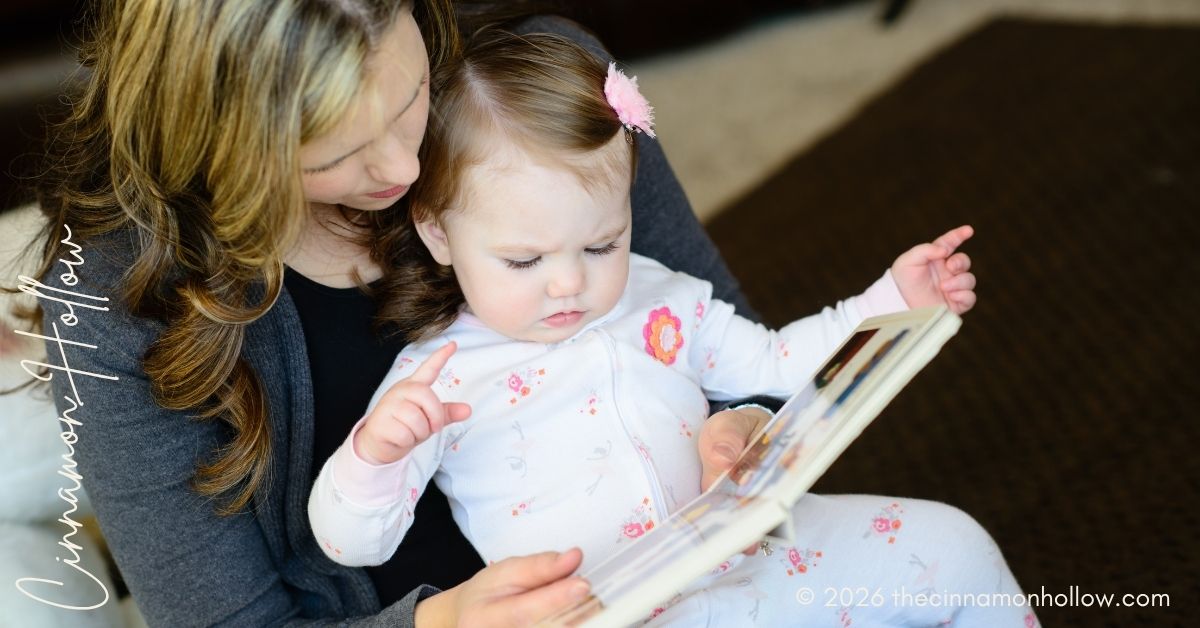
Photo books give toddlers a simple way to connect names, faces, and relationships through familiar family memories. Clear layouts, repeated reading, and short text help children recognize loved ones during daily routines. A face-focused book can support early language, memory, and emotional connection without making the experience feel like a lesson.
Custom photo books for toddlers can turn real family photos into age-appropriate stories with familiar names and relationships. Rhyming text, personal details, and meaningful memories help children stay engaged while they learn who belongs in their family circle. This type of book works well for babies and toddlers who respond to repetition, rhythm, and recognizable faces.
Start With Immediate Family Members
Begin with parents, siblings, and caregivers who appear in the child’s daily life. Use one clear photo per page so the toddler can focus on the person’s face, expression, and name. Short captions with relationship words help connect spoken language with familiar people.
Add Grandparents And Extended Relatives
Grandparents, cousins, aunts, and uncles can be introduced through simple pages that use names and relationships. This helps toddlers feel more comfortable with relatives they may see during visits, calls, birthdays, or holidays. A clean page order also makes family connections easier to follow.
Organize Pages Around Family Memories
Family memories give toddlers context for the people shown in the book. Everyday routines, milestones, and seasonal traditions can make the pages feel recognizable and warm. These themes support conversation because children can point, name, repeat, and react while the book is read aloud.
Memory Ideas To Include
- Birthday celebrations
- Holiday traditions
- Family meals
- Playtime moments
- Bedtime routines
Designing custom photo books around personal memories can make recognition practice feel natural during story time. Rhyming couplets, short story lines, and real-life photos give toddlers repeated chances to hear names and match them with faces. Personalized books can also support early literacy because the child sees familiar people inside a predictable story structure.
Use Short Captions On Every Page
Short captions keep each page easy for toddlers to understand. Names, relationship words, and simple action phrases work well because they match how young children learn through repetition. Captions should give enough context without pulling attention away from the family photo.
Include Multiple Generations
Family history can be introduced through older relatives and meaningful family stories. Photos of grandparents and earlier generations help toddlers see that family includes people from different stages of life. Simple wording keeps those pages clear while still preserving memories that matter.
Keep The Layout Simple
Simple layouts help toddlers focus on one face, one name, and one idea at a time. Large photos, short text blocks, and steady page order make the reading experience easier to repeat. A book made with real family photos can become a familiar keepsake that supports recognition, conversation, and connection as the child grows.
Features That Support Toddler Learning
- One person per page
- Large family photos
- Short rhyming text
- Clear relationship labels
- Familiar family themes
Find A Photo Book Service For Personalized Family Keepsakes
Professional photo book services help loved ones organize memories into structured keepsakes that support storytelling and face recognition for young children. Experienced providers use personalized layouts, custom text, and family-focused designs to create books that reflect important relationships and milestones. Attention to detail and quality production help preserve these memories for regular use during childhood.
A well-designed family photo book can remain meaningful as children grow and family stories continue to expand. Thoughtful personalization and durable presentation give families a practical way to preserve memories across generations. These lasting keepsakes can continue to support connection, recognition, and shared experiences over time.

Meg is an author at Cinnamon Hollow. She writes on a variety of topics sharing tips and ideas for daily life.