Every solid structure begins below the surface, with foundations that most people never see. When the ground near the surface cannot carry a building safely, piling foundations are used to transfer that load deeper into stronger soil.
Piling is one of the most important and least understood parts of construction. This guide explains what piling foundations are, the main methods used, and how the pieces of the process fit together.
Key Takeaways
- Piling foundations transfer a structure’s load down to stronger soil or rock below the surface.
- They are used when surface soil is too weak, unstable, or uneven to support a building directly.
- The main types include screw piles, driven piles, and bored concrete piles.
- Concrete piles often need cutting and trimming after installation to reach a clean, level finish.
- Choosing the right method depends on soil conditions, load, site access, and project timelines.

What Are Piling Foundations?
A pile is a long, slender column driven or installed deep into the ground to support a structure. Piling foundations use these columns to carry the load past the weak upper soil and into firmer ground further down.
They become necessary when the soil near the surface simply cannot do the job. Soft clay, fill, sand, or a high water table can all make a shallow foundation unsafe, which is where piles earn their place.
The principle is the same across every method, even as the materials differ. Reach down to the ground that can bear the weight, then transfer the structure’s load safely into it.
Why Piling Matters
The consequences of a poor foundation are severe and expensive to fix. Cracking, settlement, and structural movement almost always trace back to ground that was never properly accounted for.
Piling removes much of that risk by anchoring a building to reliable ground. It allows construction to proceed confidently on sites that would otherwise be considered too difficult to build on.
This is why piling is common on so many modern projects. From homes on sloping blocks to large commercial and industrial builds, piles make challenging ground genuinely workable.
It is worth remembering that piling is not only for big developments. Plenty of everyday projects, from house extensions to decks and carports, rely on piles when the ground demands it.
The Main Types of Piling
Piling methods generally fall into a few broad families. The right one depends on the soil, the load, the site, and how quickly the work needs to be done.
Screw piles are steel shafts with helical blades that are wound into the ground like a giant screw.
Established screw piles Melbourne providers install these quickly with minimal soil disturbance, and they can carry a load almost immediately, which makes them popular for many residential and commercial jobs.
Driven piles are columns hammered into the ground until they reach the required depth or resistance.
They are a long-established method well-suited to certain soil types and heavier structural demands.
Bored concrete piles are formed by drilling a hole, placing steel reinforcement, and filling it with concrete.
They are a versatile, high-capacity option used widely across larger construction projects.
A Closer Look at Screw Piles
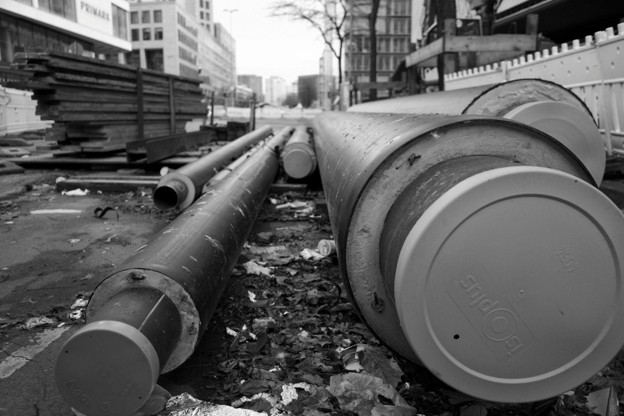
Screw piles have grown in popularity for good reason across the industry. Their speed of installation and low site disruption suit projects where time and access are tight.
Because they are wound rather than hammered in, they create far less vibration and mess. That makes them especially useful near existing structures or on sites where noise and disturbance must be kept down.
For anyone weighing up foundation options, certified screw pile solutions are available for residential, commercial, and industrial builds.
Their immediate load capacity and minimal excavation often make them a cost-effective choice on the right site.
Screw piles also suit a wide range of soil conditions and water tables. Their helical design lets them bite into the ground and resist both compression and uplift, giving engineers flexible, dependable support.
Another practical advantage is the certainty they offer during installation. The torque required to wind each pile in can be measured directly, giving a real-time indication of the load it will carry.
This makes screw piles a clean, predictable option on many sites across the country. With less spoil to remove and no curing time to wait on, crews can often move straight to the next stage of the build.
Working With Concrete Piles
Concrete piles remain a mainstay of larger and heavier construction. Whether driven or bored, they offer high load capacity and a long, proven track record across major projects.
The process does not end once a concrete pile is in the ground, though. Piles are usually installed slightly higher than their final design level to ensure sound, fully compacted concrete at the top.
That excess then has to be removed, which is where pile cutting and trimming come in. The top section is broken away to expose the reinforcement and bring the pile down to a precise, level cut-off point.
Using equipment for professional cutting down concrete piles makes this stage faster, cleaner, and far safer than manual methods.
Purpose-built croppers crush the concrete away to leave a level finish ready for pile caps or capping beams.
Done well, this trimming step is critical to the integrity of everything above it. A clean, accurate cut-off ensures the pile caps sit correctly and the load transfers exactly as the engineer intended.
How the Piling Process Fits Together
A piling project usually starts long before any equipment arrives on site. Soil testing and engineering design determine which method, depth, and capacity the ground and structure require.
From there, the piles are installed according to that design and verified along the way. Screw piles are wound to a set torque, while concrete piles are driven or poured to their specified depth.
Finishing steps, then prepare the piles to receive the structure above. For concrete piles, that means cutting and trimming, after which pile caps tie everything together into a stable foundation.
Choosing the Right Approach
No single piling method is best for every situation. The correct choice balances soil conditions, load requirements, site access, budget, and the project timeline.
This is why early engineering advice is so valuable on any build. A proper site assessment prevents costly surprises and ensures the foundation suits both the ground and the structure it will carry.
Getting this stage right pays off for the life of the building. A well-designed and well-executed piling foundation is quietly doing its job long after the last finishing touches are complete.
Conclusion
Piling foundations are the hidden backbone of countless structures around us. By carrying the load deep into stable ground, they make safe construction possible on sites that would otherwise be off limits.
Whether a project uses screw piles, concrete piles, or a combination, the goal is always the same. Build on ground you can trust, finish each pile properly, and the structure above will stand on a foundation built to last.
Frequently Asked Questions
What is a piling foundation?
A piling foundation uses long columns installed deep into the ground to carry a structure’s load down to stronger soil.
It is used when the soil near the surface is too weak or unstable to support a building on its own.
When do you need piling instead of a normal foundation?
Piling is needed when surface soil cannot safely bear the load, such as on soft, filled, sandy, or waterlogged ground.
It is also common on sloping sites and for heavier structures that require deeper, more reliable support.
What is the difference between screw piles and concrete piles?
Screw piles are steel shafts that are driven into the ground quickly with minimal disturbance and immediate load capacity.
Concrete piles are driven or bored and offer very high capacity, but they usually require cutting and trimming afterwards to reach the correct level.
Why do concrete piles need to be cut or trimmed?
Concrete piles are installed slightly above their final level to guarantee sound concrete at the top.
The excess is then cut away to expose the reinforcement and create a clean, level surface ready for pile caps or capping beams.
How do I know which piling method is right for my project?
The right method depends on your soil conditions, the load involved, site access, budget, and timeline.
A geotechnical assessment and engineering advice are the best way to match the method to your specific site.