Culinary tourism is booming across the U.S., and the market is growing at a remarkable rate. According to Grand View Research, the U.S. culinary tourism market was approximately USD 2,698.7 million in 2024. It’s on pace to experience a significant CAGR of 19.2% from 2025 to 2030. This increase is due to a growing love for unique and authentic food experiences.
Planning a culinary road trip as a first-timer is an exciting way to explore new destinations through their flavors and local specialties. Instead of focusing only on famous landmarks, you get the chance to experience places through the food that defines them.
This article explores strategies to plan a perfect culinary road trip as a first-timer.
Pick a Food-Centric Route
AARP states that the United States boasts a culinary diversity that rivals a chef’s spice cabinet, especially when you hit the road. One of the most enjoyable aspects of a road trip is the chance to appreciate the stunning views and the fascinating regional foods you come across.
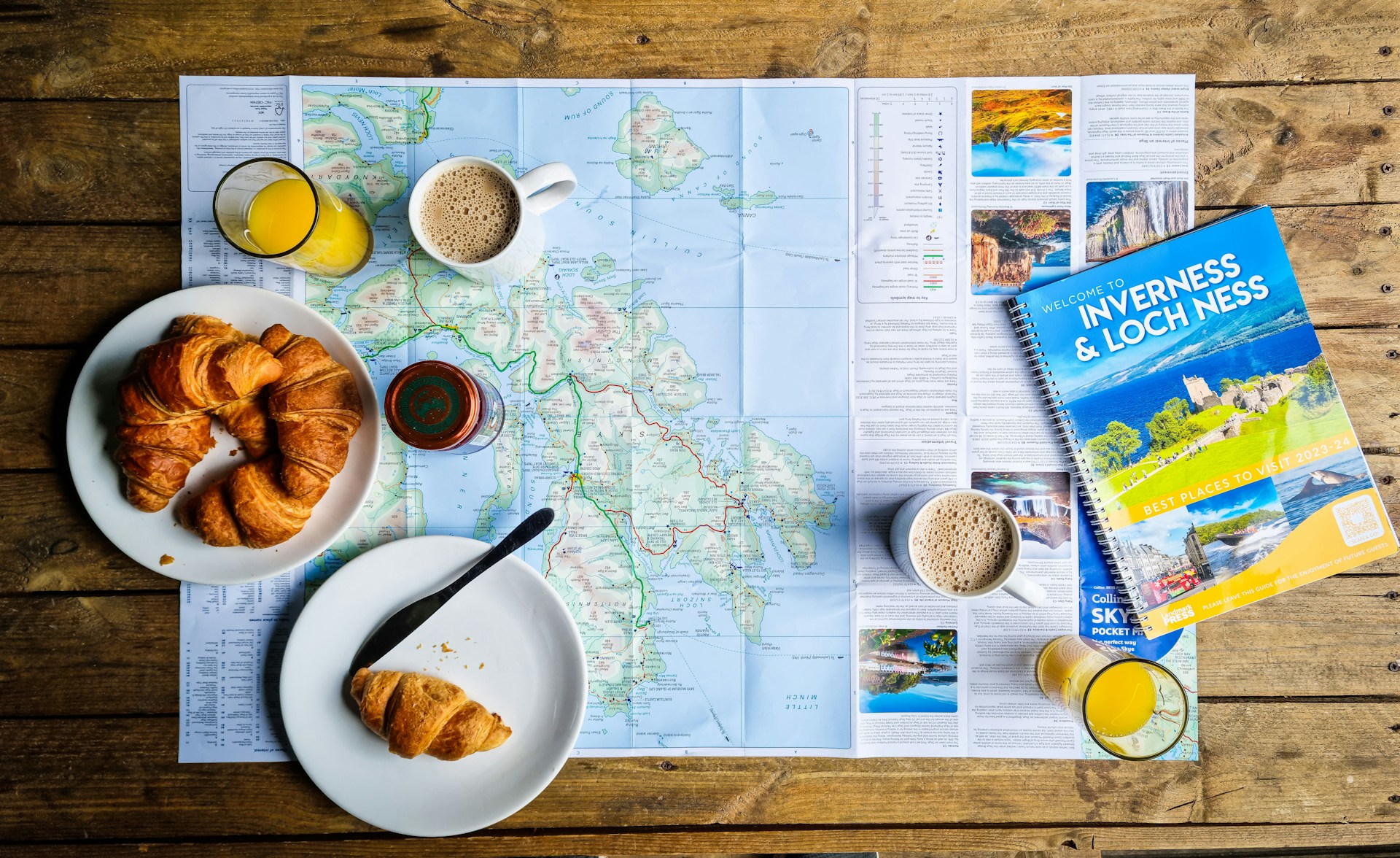
Create a route that lets you indulge in the finest flavors from each state, making your trip both fun and flavorful. Focus on regions known for their unique food culture and signature dishes. A carefully chosen route helps you make the most of your time while ensuring every stop offers something memorable to taste.
Some of the best food experiences happen in places not listed in travel guides. You can ask locals for recommendations, explore neighborhood markets, and stop at family-run restaurants that showcase authentic regional flavors. Building your journey around food creates an adventure that is both satisfying and deeply connected to the places you visit.
Pack the Essentials
Packing thoughtfully can make your culinary road trip far more comfortable and enjoyable. Carry items that support convenience, food safety, and comfort. Being prepared also allows you to take advantage of spontaneous food discoveries. You may bring home fresh produce from a farmers’ market or save leftovers from a memorable restaurant.
Carry a reusable water bottle to stay hydrated, especially if you’ll be indulging in salty or rich regional specialties. Bring a small insulated cooler with ice packs to safely store perishable treats until you reach your destination. You may even carry travel wine glasses if traveling across a wine route. This way, you can enjoy your favorites in your room every time you take a break (don’t drive after drinks!).
Govino has a few helpful recommendations for packing your drinkware safely while traveling. A case will keep your glasses safe, but you can also wrap them in clothing. You can follow the same advice when flying with your wine glasses.
Reusable containers, zip-top bags, and travel utensils are also useful for packing leftovers. Comfortable clothing and supportive walking shoes are equally important. This is because many culinary destinations involve exploring food markets, festivals, vineyards, or downtown districts on foot.
Enjoy Slow Travel
A culinary road trip should be about embracing the pace of slow travel. The Long Run notes that slow travel invites tourists to slow down and immerse themselves in the places they explore. Rather than hurrying through various spots, those who embrace slow travel savor local cuisine, cultures, and lifestyles. This approach allows travelers to forge deeper connections with the people they encounter and the environments they inhabit.
Try exploring local flavors, charming cafés, roadside diners, farmers’ markets, and family-owned restaurants at a relaxed pace. Slow travel enables you to spend time learning about regional specialties and the stories behind each dish. You can stop whenever something catches your attention, whether it is a fresh bakery, a fruit stand, or a small town known for its signature recipe.
As you continue your trip, allow yourself to savor both the food and the experiences that come with it. Talk with local people, ask for their favorite places to eat, and be willing to try dishes you have never tasted before. Every stop becomes part of your travel story, making the journey as satisfying as the meals you enjoy.
Prioritize Digestive Health
“Traveling in general can just naturally disrupt GI function,” says Ethan Balk, RD, clinical associate professor of nutrition at NYU, quoted in Fortune Well. The excitement of traveling can sometimes get overshadowed by some uncomfortable side effects, especially when it comes to your stomach. Issues such as bloating, indigestion, constipation, and diarrhea are frequent complaints among those on the move, according to Fortune.
Prioritizing digestive health is essential when planning a culinary road trip, especially if you are excited to sample a variety of foods. You can help your body adjust by drinking plenty of water, choosing balanced meals, and adding fiber-rich foods whenever possible. Eating slowly also helps support better digestion and allows you to enjoy each meal.
Pay attention to how your body responds to different foods and avoid overindulging at every stop. It is also a good idea to stay active by taking short walks after eating, especially during long driving days. When you prioritize your digestive health, you find yourself feeling more comfortable and energized.
FAQs
How to set a budget for a culinary trip?
You can set a realistic budget by estimating costs for food, accommodations, transportation, and unexpected expenses. Research average menu prices and decide how much you want to spend on special dining experiences versus casual meals. A clear budget helps you enjoy the trip without worrying about overspending.
Why should you avoid overeating during a road trip?
You must avoid overeating during a road trip because it can make you feel sluggish, uncomfortable, and less alert while driving or exploring. Indulging in heavy meals can leave you feeling sluggish and might even take away from your enjoyment of other foods. Eating in moderation helps maintain energy, supports digestion, and keeps your travel experience pleasant.
How to find the best places to eat in a city?
You can check local reviews, food blogs, and community recommendations to find the best places to eat in a city. Ask residents for their favorite spots since they know hidden gems. Explore busy markets and small family restaurants. Social media and travel apps also help you discover popular and authentic dining options.
Key Takeaways
| U.S. Culinary Tourism at a Glance | Data |
| U.S. culinary tourism market value (2024) | USD 2,698.7 million |
| Projected market growth (2025–2030) | 19.2% CAGR |
| Key driver of growth | Rising demand for authentic food and travel experiences |
| Digestive health tip for food travelers | Stay hydrated, eat balanced meals, and walk after eating |
A culinary road trip gives you a fresh way to connect with places through taste, people, and everyday moments on the road. It turns travel into something more personal and memorable, where each stop adds a new layer to your experience.
As a first-timer, you may feel excited and curious, and that sense of discovery is what makes the journey special. When you stay open to new flavors and experiences, you create stories that stay with you long after the trip ends.
Check out our Travel Adventure videos below!


Hi, I’m Crystal – a Kentucky-based Aromatherapist, wife, mom and the voice behind The Cinnamon Hollow. I share cozy, real-life inspiration for healthier routines, simple home living, essential oil use and safety, beauty, pets, and family adventures. From everyday tips to travel guides, my goal is to help you create a warmer life and embrace each day as its own little adventure. Always remember to live life, one adventure at a time! read more