Severe weather does not test a house evenly. It finds the one detail that was skipped, the fastener that was never replaced, the gutter section that pulled loose two summers ago, and it works on that spot until something gives. Homeowners who come through a bad storm season without damage are rarely the lucky ones. They are the ones who walked the property in fair weather and dealt with what they found.
Assessing the Roof Before the Season Turns
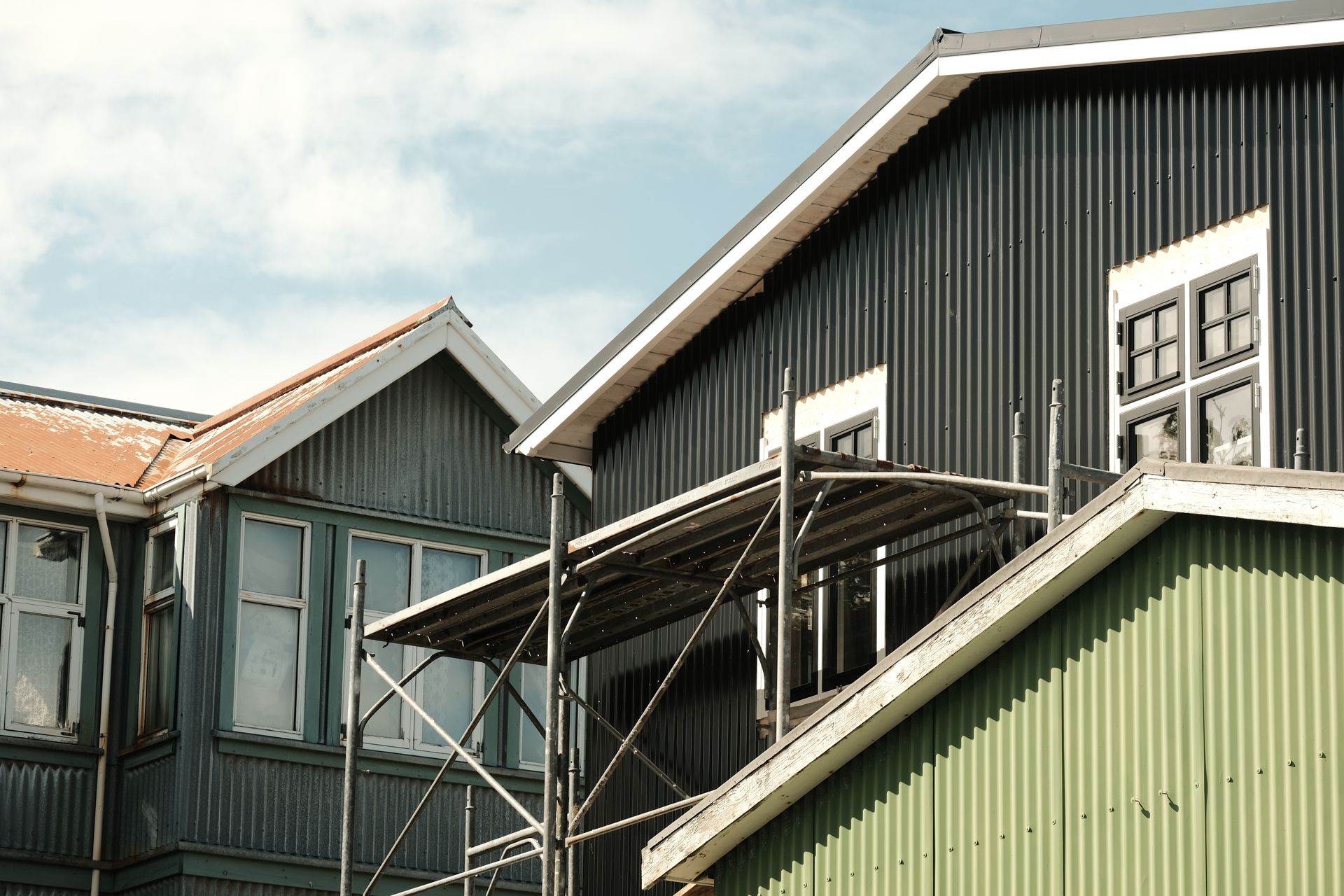
Wind is what separates a routine storm from an expensive one, and the roof takes the brunt of it. Homes fitted with standing seam metal roofing rely entirely on the integrity of the raised seams, and panels installed with poor seam engagement or the wrong fastener spacing begin separating under sustained wind long before the metal itself shows any wear.
A failed seam on standing seam metal roofing does not drip through one hole; it channels water the length of the panel and into the structure far from where the problem started, which makes the damage both worse and harder to trace. Installed correctly by an experienced crew, standing seam metal roofing locks and seals the way the system was designed to and holds up through decades of hard weather. A capable installer backs the work with a warranty covering both materials and labor.
For an existing roof of any type, the pre-season check is straightforward. Look for lifted or missing material, damaged flashing where the roof meets chimneys and vents, and any sagging along the ridge or eaves. Anything you can see from the ground with binoculars is worth investigating properly.
Clearing the Path Water Takes
Drainage decides how much damage a storm actually does. Gutters packed with leaves cannot carry water anywhere, so it spills over the edge, runs down the wall, and pools at the base of the foundation. That pooling is what puts water in basements.
Clean them before the wet season and check that each section pitches toward its downspout. Look at the seams for leaks and at the fasteners holding the gutter to the fascia, since a run that has pulled away is no longer collecting anything. Downspouts need extensions carrying water at least several feet from the house.
Walk the perimeter and study the grade. Soil should slope away from the foundation on every side. Flat or reverse grading directs water straight to the wall, and correcting it with fill is far cheaper than dealing with what happens after several seasons of that.
Test the sump pump before you need it. Pour a bucket of water into the pit, confirm the float rises, and confirm the pump runs and shuts off cleanly. A backup unit or battery system matters in areas where storms take the power out, because that is exactly when the pump is needed most.
Dealing With the Trees
Mature trees add value to a property and take houses apart during storms. Limbs that overhang the roof come down under ice loading or high wind, and a branch that seems harmless in July behaves differently with several inches of wet snow on it.
Have anything overhanging the structure trimmed back. Look at the trees themselves for dead limbs, splits in major branches, leaning trunks, and soil heaving at the base. Any of those indicates a tree that may not survive the next serious wind event standing up.
Root systems matter too. Trees close to the house send roots toward buried drain lines and foundation footings, and they find their way into anything with a joint or a crack.
Securing What Is Outside
Wind turns loose objects into projectiles, and most storm damage to windows and siding comes from something that was sitting in the yard. Patio furniture, grills, planters, trash bins, and children’s play equipment all need to be brought in or tied down when a storm is forecast.
Check that anything permanently mounted is actually mounted. Awnings, satellite dishes, address plaques, and light fixtures work loose over years of thermal cycling. Fence panels and gates need their posts checked, since a section that lets go takes the rest of the run with it.
Store the yard items you use seasonally in a place you can reach quickly. Preparation you cannot execute in twenty minutes tends not to get executed.
Checking Openings and Seals
Windows and doors are where wind-driven rain gets in. Look at the caulking around every frame and replace anything cracked, shrunken, or pulled away. Check the weatherstripping on exterior doors and confirm the door still seals against the frame along its whole length.
Basement window wells fill with water and debris and need clearing before wet season. Covers keep both out and cost very little. Garage doors are the largest opening in most houses, and a door that fails under pressure allows wind into the structure, which is how roofs come off. Verify the tracks are sound, and the door closes fully.
Check vents and any exterior penetration where a pipe or cable passes through the wall. Those gaps are small, but wind-driven rain finds them reliably.
Having a Plan Before You Need One
Know where the main water shutoff is and how to operate it by hand. Know where the electrical panel is and which breakers serve which parts of the house. Everyone in the household should know both.
Keep flashlights, batteries, bottled water, and food that requires no cooking somewhere accessible rather than buried in a closet. Charge phones and battery packs when a storm is forecast. If you keep a generator, run it before the season and store fuel safely, and never operate it inside a garage or anywhere near a window or door.
Photograph the exterior of the house and the interior of each room while everything is intact. Insurance claims move considerably faster when there is a clear record of what the property looked like beforehand, and that record takes fifteen minutes to create. Keep copies somewhere that survives the loss of the house itself.