
Key Takeaways
- Routine care and fast repairs can prevent minor cracks from getting worse.
- DIY fixes are appropriate for small cracks, but professionals should deal with larger or structural damage.
- Recognizing what causes window cracks is crucial in creating effective prevention plans.
Cracked windows are more than just an eyesore; they can lead to higher energy bills, compromise your home’s security, and allow in unwanted moisture. Learning how to prevent and address glass cracks in your windows can help you maintain comfort and safety in your living space. For those looking for professional solutions, exploring glass repair services is a valuable first step to keep your windows problem-free.
Cracks in window glass rarely happen without cause, and most can be traced back to avoidable issues. Proactive maintenance and understanding the materials in your home allow you to catch small problems before they turn into expensive repairs or replacements.
Homeowners can often manage minor window glass damage on their own, but knowing when to call in a professional can prevent further complications. With the right strategies, it is possible to extend the life of your windows and preserve your home’s value.
Regular window inspections and quick action when damage occurs are essential components of a healthy maintenance routine. A bit of attention today can help you avoid the inconvenience and cost of a complete window replacement in the future.
Common Causes of Window Glass Cracks
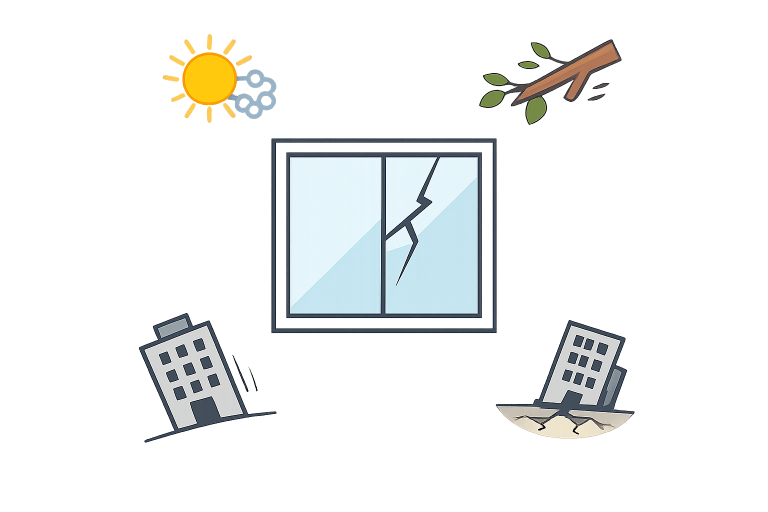
Understanding what leads to cracked window glass can help you take preventive steps. The most frequent sources of damage include:
- Temperature Stress: Abrupt shifts in temperature can make glass expand or contract rapidly, which often results in stress cracks. This risk is particularly significant for large windows that receive direct sunlight.
- Impact Damage: Windows can crack instantly as a result of blunt force from accidents, falling branches, or flying debris, especially during storms or playful activities around the house.
- Structural Pressure: Cracks may form when buildings settle or if windows were installed incorrectly, putting uneven pressure on the glass panes over time.
Preventive Measures to Avoid Window Cracks
Proactive steps can greatly lower the risk of your windows cracking:
- Regular Inspections: Make it a habit to look for early warning signs like chips, stress lines, or loose seals.
- Control Indoor Temperatures: Avoid sudden indoor temperature fluctuations; consistent climate control can prevent thermal shock to glass.
- Protect Windows from Impact: Install impact barriers where needed and keep windows away from potential hazards, especially in recreational or high-traffic home zones.
DIY Methods for Repairing Small Window Cracks
If you discover a small crack, consider these temporary repair options until you can seek permanent solutions:
- Clear Nail Polish: Gently clean the cracked area, then apply several thin layers of clear nail polish. Allow each layer to dry before adding the next. This can hold the glass together and prevent the crack from spreading further.
- Epoxy Resin: After cleaning the crack, carefully apply mixed epoxy resin to the damaged area. Once cured, the epoxy can temporarily reinforce the glass and help seal out moisture. For a detailed walkthrough, you can consult This Old House.
These solutions are not meant to last long term. Always consult a window specialist for more extensive or deep cracks that threaten the strength of your window.
When to Seek Professional Help
Some situations require more than a DIY fix. Call in a thorough assessment from a professional if:
- The crack is wide, long, or runs across a significant portion of the glass pane.
- Your windows have multiple fractures or involve insulated (double- or triple-pane) glass units.
- You suspect that the frame or the home’s structure itself is putting pressure on the window, compromising stability.
Maintaining Window Integrity Over Time
Consistent upkeep is key for maximizing the life of your windows:
- Regular Cleaning: Keeping glass and frames clean helps spot cracks or defects quickly and makes maintenance easier.
- Seal Maintenance: Intact seals reduce stress on glass and prevent harmful moisture from getting inside, which can worsen cracks.
- Prompt Repairs: Addressing chips and cracks as soon as they appear prevents the damage from worsening and keeps repairs manageable and affordable.
Additional Window Care Tips
Beyond basic maintenance, there are further steps homeowners can take to help ensure the long-term integrity of their windows. Consider installing UV-protective films to shield glass surfaces from prolonged sun exposure, which can weaken glass over time. Window films also provide added insulation, reducing temperature fluctuations, a prime cause of cracks. Another beneficial approach is upgrading your window hardware and caulking seasonally, as weathered caulking can invite moisture and contribute to glass stress during freeze-thaw cycles. It’s worth scheduling a yearly window inspection with a professional to identify subtle issues that may be hard to spot with an untrained eye. In homes with children or pets, using window guards and shatter-resistant films adds an extra pop of protection, reducing the chance of impact damage.
Also, note that landscaping strategies can reduce window risks: trim trees and large shrubs regularly to minimize the potential for branches to strike windows during storms. When considering home upgrades, energy-efficient windows made with laminated or tempered glass provide increased durability and higher resistance to cracking. Investing in these improvements not only reduces the risk of breakage but can also enhance the overall energy efficiency of your house.
For those in extreme climates, storm windows or movable external shutters can add robust defense against both environmental and impact threats. Taking these extra precautions is an investment in your property’s value and your peace of mind. By layering your approach, combining regular inspections, maintenance, protective films, and strategic landscaping, you’ll significantly lower the likelihood of glass cracks developing in the first place.
Conclusion
Prevention and early intervention are the best ways to keep your window glass intact and your home safe. Understanding what causes cracks, acting on minor damage quickly, and knowing when to seek professional help will extend the life of your windows and improve the comfort and value of your home. By following these guidelines, you can avoid unnecessary expenses and ensure your windows perform their best year-round.


