Water damage is a major concern for any homeowner because it can quickly lead to high repair costs and health problems. Luckily, there are many simple and smart ways to protect your house before any serious issues arise. Acting early and staying alert can help you avoid the stress water damage brings. In this guide, you will find clear, actionable steps to make your home safer and avoid costly problems. If you live in an area where water leaks and floods are common, learning how to prevent these issues or knowing the right services for water damage cleanup San Francisco Bay is especially important.
Many people only notice leaks or water buildup after damage has already happened. However, by taking routine precautions, you can reduce the chance of needing emergency help and keep your family safe from the dangers of mold and structural issues. Every part of your house, from the roof to the basement, can help keep water outside where it belongs. With the right information, you can stay ahead of potential disasters and protect your investment.
The tools and technology available for homeowners have never been better. From leak detectors to water pressure gauges, using these modern solutions can give you peace of mind and save you money in the long run. Most importantly, a proactive approach can prevent the inconvenience and frustration of dealing with preventable issues.
Another common result of water problems in homes is mold, which can be a serious health hazard. If you suspect you have a mold problem, it is important to seek professional help for mold remediation San Francisco Bay Area to keep your family safe and healthy.
Regularly Inspect Plumbing Fixtures
Regularly checking your home’s plumbing fixtures can make a huge difference in preventing water damage. Look for leaks under sinks, near toilets, and behind or under appliances like washers and dishwashers. Even small drips can waste water and cause mold or rot over time. If you notice damp spots, corrosion, or strange odors, these could be signs of trouble. Acting quickly can stop major damage and help you turn off the main water valve quickly
Gutters
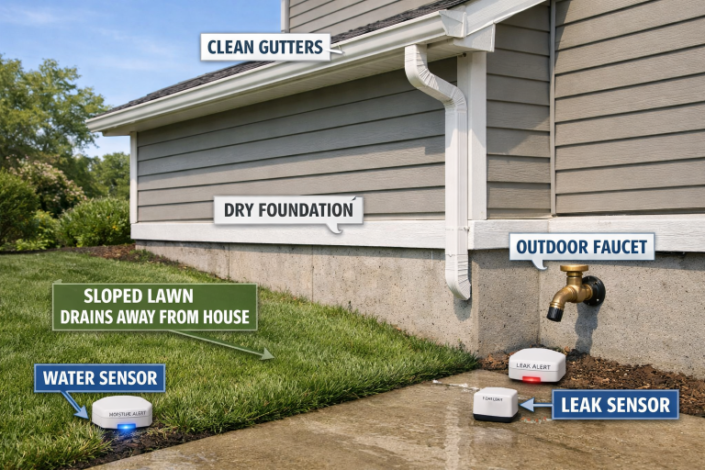
Your roof and gutters are the first line of defense against rainwater. It is important to check for missing or damaged shingles a few times a year, especially after storms or heavy winds. Keep gutters clear of leaves, twigs, and other debris so water can drain smoothly away from your house. Clogged gutters can cause water to overflow, potentially damaging your walls, foundation, or landscaping. Regular maintenance goes a long way toward protecting your investment.
Monitor Water Pressure
High water pressure can be just as risky as leaks. Too much pressure puts stress on pipes, causing them to crack or burst. You can pick up an affordable water pressure gauge at many hardware stores. Your pressure should be between 40 and 80 pounds per square inch (psi). If it is higher, a pressure regulator can help keep things safe, protecting both your plumbing and your water-using appliances. For more details on water pressure risks and how to check it, visit resources like Family Handyman.
Install Water Leak Detection Devices
Technology makes it easier than ever to catch leaks before they become disasters. Small, smart sensors placed under sinks or near water heaters can sound an alarm or send phone alerts when moisture is detected. Some even connect to systems that will automatically shut off your home’s water supply. These devices are a wise investment for any homeowner focused on long-term safety. Consider checking guides from trusted sources, such as Consumer Reports, to learn more about smart home water protection.
Know Your Main Water Shut-Off Valve
If a water emergency happens, saving your home can depend on knowing how to quickly turn off the main water valve. Make sure everyone in your family knows the location and how to operate it. Practice turning it off and on, so you are calm and prepared during a real emergency. Having this knowledge on hand can prevent major damage and reduce recovery time.
Protect Pipes During Cold Weather
Cold weather is a major cause of burst pipes, especially in unheated parts of your home, such as basements and garages. Insulate any exposed pipes you can access. Simple foam sleeves, available at most home improvement stores, work well. When temperatures drop sharply, let a few faucets drip slowly and open cabinet doors to let warm air reach pipes. These small actions can save you from costly emergencies in the winter months.
Landscape to Direct Water Away
Your home’s yard and landscaping also help protect against water damage. Make sure the ground slopes away from your foundation; this helps drive rainwater and melting snow away from your house. Downspout extensions provide additional protection by directing water several feet away from your foundation. Good landscaping does more than look nice; it can help keep your foundation dry and strong.
Review Homeowners Insurance Policy
Take the time to read your homeowners’ insurance policy and know exactly what water damage events are covered. Standard policies often do not include flooding or sewer backups. If you live in a high-risk area or if you want more protection, consider adding special coverage. Talk with your insurance agent and keep your policy updated with any changes or improvements to your home.
By following these steps, you are acting wisely to avoid one of the most costly and frustrating issues homeowners face. A proactive attitude, regular maintenance, and a little help from modern technology will go a long way in keeping your home safe from water damage.