Key Takeaways
- Preventive dental care is essential for maintaining oral health and overall well-being across all ages.
- Routine dental visits, balanced nutrition, and daily hygiene practices help prevent serious dental complications.
- Educational programs and technological advancements enhance the effectiveness of preventive care strategies.
- Integrating preventive practices into daily routines leads to both health and economic benefits.
Table of Contents
- Understanding Preventive Dental Care
- Key Components of Preventive Dental Care
- The Role of Education in Preventive Care
- Technological Advancements in Oral Health
- Preventive Care Across Different Age Groups
- Economic Benefits of Preventive Dental Care
- Integrating Preventive Care into Daily Life
- Conclusion
Understanding Preventive Dental Care
Optimal oral health forms the foundation for a healthier life, with routines centered around consistent preventive dental care. People who visit their dentist regularly, maintain daily hygiene, and address issues early can avoid many dental concerns, including bleeding gums, cavities, and gum disease. Being proactive means not only caring for your teeth, but also reducing risks related to other systemic health problems.
Preventive dental care goes beyond simply brushing and flossing. It covers everything that stops oral diseases from developing or getting worse. These measures also support whole-body health since research from the Mayo Clinic has linked poor oral hygiene with conditions like heart disease and diabetes, underscoring the importance of prevention as a part of everyday wellness.
The ultimate goal is to keep teeth and gums healthy for life. This preventative focus significantly reduces the chances of pain, costly treatments, and broader health issues that start in the mouth. By adopting smart habits and seeking professional guidance regularly, people of every age can ensure a healthy future.
Preventive care also fosters greater confidence and comfort. Healthy teeth and gums enhance the ability to enjoy meals, speak clearly, and smile without concern. Simple daily steps, when followed consistently, make a measurable difference over a lifetime. For further reading, the American Dental Association offers a comprehensive overview on how oral health impacts general wellness (ADA Oral Systemic Health).
Key Components of Preventive Dental Care:
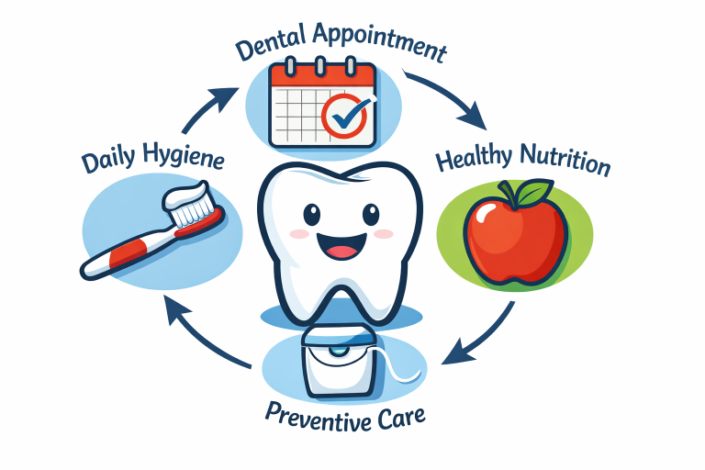
Key Components of Preventive Dental Care
- Regular Dental Visits: Seeing a dentist twice a year means small problems are caught early, treatments stay simple, and you have professional support for your personal oral health plan.
- Daily Oral Hygiene: Brushing with fluoride toothpaste morning and evening, along with flossing once per day, removes plaque, strengthens enamel, and reduces the chance of decay.
- Balanced Diet: Fruits, vegetables, and foods low in added sugars support strong teeth. Excess sugar feeds bacteria that lead to decay, so mindful eating choices make a marked difference.
- Fluoride Treatments: Professional fluoride applications, especially for children and those at risk, provide added protection against cavities.
- Dental Sealants: Applying sealants to the chewing surfaces of molars keeps bacteria and food particles out, significantly lowering a child’s risk of cavities.
The Role of Education in Preventive Care
Education serves as the backbone for lasting oral health. Programs like the UT Health San Antonio School of Dentistry’s initiative empower teachers in South Texas to act as oral health advocates for their students. By integrating oral hygiene lessons into school curricula, children grow up with a strong foundation of knowledge and daily habits that persist into adulthood.
Technological Advancements in Oral Health
The digital age offers powerful tools to reinforce healthy habits. Apps like Oralytics use advanced algorithms to deliver personalized reminders and educational prompts, guiding users in their daily self-care between dental appointments. This direct support increases accountability and improves outcomes. These technological advances are expanding access, tailoring advice, and making the principles of preventive oral health available at everyone’s fingertips.
Preventive Care Across Different Age Groups
Children
Instilling good oral health habits in childhood sets the stage for a healthy smile throughout life. Early education on brushing technique and scheduling regular check-ups is essential. Protecting children’s teeth with sealants and fluoride treatments helps prevent cavities when it matters most.
Adults
For adults, prevention focuses on consistency. Regular brushing and flossing, being mindful of nutrition, and avoiding tobacco products all play vital roles. Addressing issues like gum disease or tooth sensitivity early prevents escalation and reduces overall risk.
Seniors
As people age, oral health needs evolve. Common issues such as dry mouth, medication side effects, and the need for proper denture care become important. Seniors benefit from tailored advice and regular monitoring to preserve their quality of life and independence.
Economic Benefits of Preventive Dental Care
Investing in preventive care is also a smart financial strategy. A recent Delta Dental report highlights that over 90 percent of adults recognize daily oral hygiene as an effective way to save money and avoid unexpected, costly dental treatments. Preventative measures significantly lower the likelihood of expensive emergency procedures and improve overall health security.
According to a research brief from the National Institutes of Health, preventive dental services can play a substantial role in reducing national health expenditures by detecting diseases earlier and reducing the need for invasive treatments.
Integrating Preventive Care into Daily Life
- Brush your teeth for two minutes, twice a day, using fluoride toothpaste.
- Floss daily to remove plaque and leftover food from between teeth.
- Rinse with an antibacterial mouthwash to reduce harmful bacteria.
- Limit snacks and beverages high in added sugars.
- Visit a dental professional every six months for cleanings and exams.
These actions are small commitments with tremendous impact over time. Making preventive dental care a routine part of life supports not only oral health but also enhances self-esteem and lowers healthcare costs for individuals and families.
Conclusion
Preventive dental care is the cornerstone of healthy teeth and gums. Through regular check-ups, daily habits, educational resources, and innovative tools, you can safeguard your oral health and your overall well-being. Prioritizing the simple yet effective actions outlined here helps ensure a confident smile and better health for every stage of life.
The owners and authors of Cinnamon Hollow are not doctors and this is in no way intended to be used as medical advice. We cannot be held responsible for your results. As with any product, service or supplement, use at your own risk. Always do your own research and consult with your personal physician before using.