Table of Contents
- Oral Health and Systemic Diseases
- Economic Benefits of Preventive Care
- Role of Primary Care Providers
- Advancements in Preventive Dental Care
- Practical Tips for Maintaining Oral Health
- Conclusion
Maintaining excellent oral hygiene offers benefits that go beyond a radiant smile. It is fundamental to overall well-being, especially since the mouth serves as an entry point to the body’s internal systems. Practicing preventive dental care, such as attending routine dental appointments and proper daily habits, helps ward off a range of health concerns. For individuals and families seeking structured dental care plans, www1.deltadentalins.com provides valuable resources and options tailored to different needs.
Preventive care is not just about maintaining teeth and gums. Neglecting oral health can lead to complications such as cardiovascular disease, diabetes, and respiratory infections, underscoring the importance of your dental routine for long-term health. Regular dental check-ups facilitate early disease detection and intervention, minimizing risk factors that affect both oral and systemic health.
Oral Health and Systemic Diseases
Scientific studies have firmly established a link between oral health and overall bodily health. For example, gum disease has been associated with the worsening of heart conditions, including the thickening of carotid arteries. Addressing periodontal issues not only protects teeth and gums but may also help reduce the risk of heart disease. A landmark study published in the European Heart Journal found that comprehensive gum treatment improved blood vessel function and reduced inflammation, signaling a lower risk of atherosclerosis.
Additionally, bacteria from poor oral hygiene can enter the bloodstream and contribute to conditions such as diabetes and pneumonia. Oral infections can escalate quickly and affect vulnerable populations, such as the elderly or those with chronic health challenges. The Centers for Disease Control and Prevention (CDC) notes that good oral health habits help lower the risk of chronic conditions and improve life expectancy.
Economic Benefits of Preventive Care
Skipping preventive dental care can become expensive in the long run. Routine exams and early interventions are far more cost-effective than treating advanced dental disease or its complications that require hospitalization. A study conducted by the Mayo Clinic found that people with chronic illnesses, such as diabetes or coronary artery disease, who received regular dental care saved over $500 each year, primarily by avoiding hospital admissions and less intensive medical treatment. These savings extend to families and employers as well, leading to lower insurance premiums and fewer missed days at work.
Investing in preventive care not only supports your financial health but also reduces the burden on healthcare systems and insurance pools. The ripple effect of healthy habits is real: the less you spend on addressing avoidable oral health issues, the more resources you retain for other life expenses.
Role of Primary Care Providers
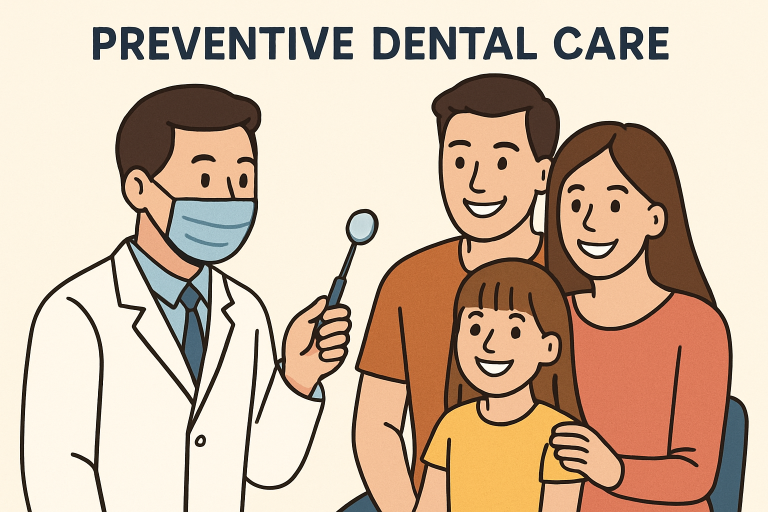
Collaboration between medical and dental professionals is proving vital for communities with limited access to dental care. Integrating oral health screenings and guidance into routine medical check-ups helps catch problems early, particularly in children. Clinical trials led by the National Institute of Dental and Craniofacial Research (NIDCR) show that when pediatricians share oral health tips and refer families to dental services during annual wellness visits, dental care utilization in underserved communities rises significantly. This approach helps normalize preventive oral care from a young age and reduces disparities in oral health outcomes.
Schools and community-based programs also play an important role in promoting oral health education and preventive services. By incorporating oral health modules into school curricula, educators empower students and parents alike to recognize the significance of healthy dental habits. These community initiatives—often supported by public health agencies—can increase awareness and encourage timely dental visits, creating a foundation of knowledge that benefits future generations. As more individuals are reached through these collaborative efforts, the long-term impact on public health continues to grow.
Advancements in Preventive Dental Care
Technology is advancing rapidly in preventive dental care. Mobile health tools like Oralytics provide reminders and education to encourage oral hygiene, especially for at-risk populations, supplementing traditional care. Innovations like tele-dentistry and AI-guided brushing apps help people monitor and maintain oral health at home. Advances in minimally invasive methods and diagnostics enable earlier risk detection, making dental care more accessible and personalized. New preventive products such as dental sealants, fluoride rinses, and probiotics offer additional protection for vulnerable individuals. As technology progresses, access to quality preventive care improves, bridging gaps across populations.
Practical Tips for Maintaining Oral Health
To maintain good oral hygiene, brush your teeth at least twice daily with fluoride toothpaste, ensuring all surfaces are covered. Daily flossing is essential for cleaning between teeth where toothbrushes cannot reach. It’s important to limit sugary snacks and beverages to prevent tooth decay and gum disease. Regular dental visits, ideally once or twice a year, are crucial for professional examinations and cleanings. Incorporating mouthwash into your routine can help reduce bacteria and freshen breath. A balanced diet rich in fiber, fruits, and vegetables supports both oral and overall health. Avoiding tobacco products is vital, as they significantly heighten the risk of gum disease and oral cancer. Staying hydrated by drinking water throughout the day further helps wash away food particles and bacteria. Implementing these lifestyle changes can lead to marked improvements in oral hygiene and general well-being.
Conclusion
Preventive dental care is a powerful tool to boost both individual and public health. By nurturing healthy oral habits and prioritizing regular dental check-ups, you can reduce health risks, save money, and improve your quality of life for years to come. The roadmap to a healthier future begins with simple yet effective daily choices that protect your teeth and gums. These choices are within reach for every family and individual prioritizing their wellness.
Embracing preventive dental practices today not only helps you avoid future emergency treatments but also supports community-wide efforts to build a healthier society. Make your dental health a priority and inspire those around you, the rewards will benefit both you and future generations.
The owners and authors of Cinnamon Hollow are not doctors and this is in no way intended to be used as medical advice. We cannot be held responsible for your results. As with any product, service or supplement, use at your own risk. Always do your own research and consult with your personal physician before using.

Meg is an author at Cinnamon Hollow. She writes on a variety of topics sharing tips and ideas for daily life.