Have you ever walked into your home after a storm and wondered what might be hiding behind the walls? With rising weather extremes and aging infrastructure across many neighborhoods, unexpected damage feels less rare than it once did. Homes face risks from water, fire, wind, and even faulty wiring. In this blog, we will share practical steps to protect your home from sudden damage and respond with confidence when trouble hits.
Understanding the New Reality of Home Risk
Recent years have brought record-breaking storms, flash floods, and heat waves in many parts of the country. News reports show neighborhoods underwater one week and facing wildfire threats the next. Even in areas without major disasters, older plumbing systems burst during cold snaps and power surges strain electrical panels. The idea that home damage happens only to “someone else” no longer holds up.
Climate patterns play a role, yet so does simple wear and tear. Many homes were built decades ago, with pipes, roofs, and wiring that now sit beyond their intended lifespan. Add modern demands such as high-powered appliances and constant device charging, and the stress on systems increases. Evaluating your home’s weak points is the first step toward prevention.
Start with a visual inspection. Check your roof for missing shingles, cracked flashing, or sagging areas. Inspect gutters for clogs that could cause water to back up and seep into walls. Walk around the foundation and look for cracks or pooling water after rain.
Acting Fast When Damage Occurs
Even with preparation, accidents happen. A pipe bursts at midnight. A kitchen fire leaves smoke damage. A heavy storm sends water through a basement window. In these moments, speed matters. Quick action limits the spread of damage and protects both structure and belongings.
Homeowners should understand the role of emergency mitigation services, which focus on stabilizing a property immediately after an incident. These professionals remove standing water, dry affected areas, secure openings, and prevent mold growth before full repairs begin. Acting quickly can reduce long-term structural harm and preserve personal items that might otherwise be lost.
Before disaster strikes, create a simple response plan. Know where your main water shutoff valve is located and how to turn it off. Identify the circuit breaker panel and label key switches clearly. Store contact information for trusted contractors and your insurance provider in an accessible place. When stress runs high, having clear instructions saves valuable minutes.
Photograph your home’s interior and major possessions annually. Store these images digitally in a secure cloud account. If you need to file a claim, detailed records simplify the process and reduce disputes. Keep important documents in a waterproof and fire-resistant container.
Fire safety deserves special focus. Install smoke detectors on every level and test them monthly. Replace batteries twice a year, even if they seem functional. Keep a fire extinguisher in the kitchen and near the garage. Teach family members how to use it safely.
Strengthening Your Home Against Weather Threats
Weather-related damage often begins outside. High winds can lift shingles, while heavy rain finds weak seals around windows and doors. Strengthening exterior features reduces the chance of interior harm.
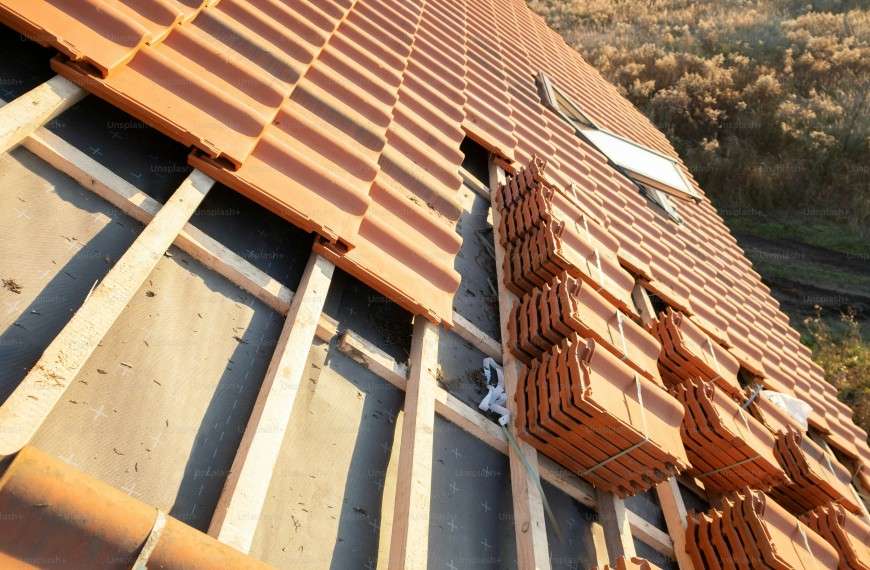
Consider impact-resistant roofing materials if you live in an area prone to severe storms. Reinforced shingles and proper underlayment add an extra layer of defense. Regular roof inspections, especially after major weather events, catch early problems before leaks spread.
Windows and doors should seal tightly. Check for gaps where air or water might enter. Replace worn weather stripping and apply fresh caulk where needed. Storm shutters or reinforced glass provide added protection in high-wind regions.
Landscaping choices also affect home safety. Trim tree branches that hang over the roof. Remove dead limbs that could fall during storms. Ensure that drainage systems direct water away from the foundation rather than toward it. Installing downspout extensions can prevent water from pooling near basement walls.
Basements and crawl spaces require special attention. Waterproof coatings on foundation walls, sump pumps with battery backup, and proper grading around the home reduce flood risk. Regularly test sump pumps to confirm they activate correctly during heavy rainfall.
Maintaining Internal Systems With Discipline
Unexpected damage often begins within walls, ceilings, and utility systems. Routine inspections and upgrades protect against silent threats.
Schedule annual plumbing inspections to detect corrosion or small leaks. Replacing aging pipes before failure may feel inconvenient, yet it prevents major water damage. Insulate pipes in colder climates to reduce freezing risk.
Electrical systems should meet modern standards. If your home still uses outdated panels or aluminum wiring, consult a licensed electrician about upgrades. Avoid overloading outlets with extension cords. Install surge protectors to guard appliances and electronics from power spikes.
Heating and cooling systems also require maintenance. Change filters regularly and schedule professional service each year. Clean dryer vents to prevent lint buildup, which poses a fire hazard. These tasks may seem routine, yet they protect both comfort and safety.
Smart home technology offers additional support. Water leak detectors placed near appliances and under sinks can alert you to moisture before it spreads. Smoke and carbon monoxide alarms connected to mobile apps provide notifications even when you are away. These tools add a layer of oversight that traditional systems lack.
Building a Culture of Preparedness at Home
Protecting your home extends beyond physical upgrades. It involves mindset. Families that discuss emergency plans and practice simple drills respond more calmly during real events.
Create a home inventory list together. Walk through each room and record major items. Store this information securely. Encourage children to understand basic safety steps, such as where to exit during a fire and where to meet outside.
Financial preparation also reduces stress. Review your homeowner’s insurance policy annually. Confirm that coverage limits reflect current rebuilding costs and property values. Ask questions about exclusions and additional endorsements that may apply to your area.
Set aside an emergency fund dedicated to home repairs. Even with insurance, deductibles and uncovered expenses can add up. A financial cushion prevents rushed decisions when contractors present repair options.
Finally, stay informed about local risks. Sign up for weather alerts and community emergency notifications. Participate in neighborhood meetings that address safety planning. Collective awareness strengthens resilience.
Protecting your home from unexpected damage requires steady attention, practical upgrades, and readiness to act quickly when problems arise. While no property can be shielded from every risk, thoughtful preparation reduces both physical loss and emotional strain. By combining preventive maintenance, rapid response planning, and informed decision-making, homeowners create a safer environment that stands stronger against the surprises that modern life often delivers.