You might be feeling a mix of frustration and worry right now. The trays that were supposed to straighten your teeth quietly in the background are suddenly not fitting right. Maybe they feel too tight in one spot and loose in another. Maybe your orthodontist mentioned that your aligners are “not tracking,” and now every time you look in the mirror you wonder if the whole treatment is going off course—especially if you’re using invisalign in Upland CA.
It often starts with something small. A gap between the edge of your aligner and your teeth. A tray you struggle to seat fully. A new set that feels “off” compared with the last one. Over time, that small change becomes a bigger concern. You wonder if you have wasted money, or if this means you will need braces after all.
You are not alone in this. Clear aligners are powerful, but they are not magic. They depend on very precise movements of your teeth and very consistent use by you. When something interrupts that, the aligners stop fitting the way they were designed. The good news is that most tracking problems have clear causes and fixable solutions.
Here is the short version. Clear aligners stop tracking for a few main reasons. They are not worn long enough each day, they are not fully seated, teeth are moving slower or differently than planned, or the trays have been damaged or changed by heat. With guidance from an orthodontist, you can usually get things back on track through better wear habits, “backtracking” to an earlier tray, using chewies and attachments correctly, or adjusting the treatment plan.
So where does that leave you right now? Let us walk through the four most common reasons clear aligners do not track, what that actually looks like in real life, and how you can work with your orthodontist to fix it before it becomes a bigger problem.
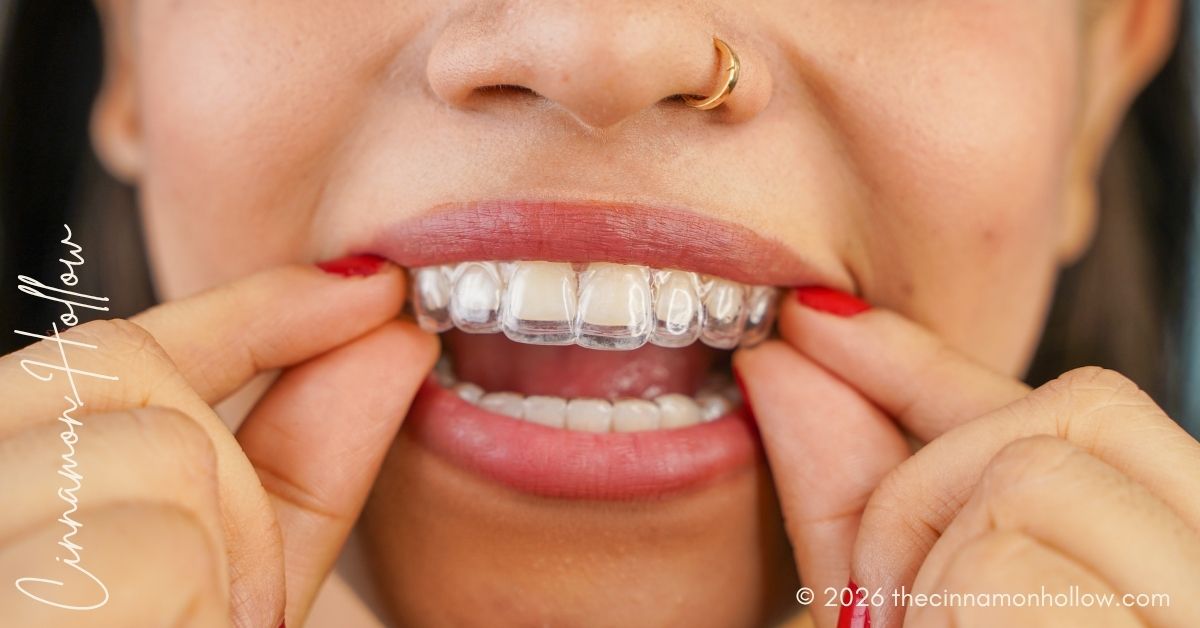
What does it really mean when aligners “don’t track”?
When aligners are “not tracking,” it means your teeth are not sitting where the trays expect them to be. The plastic was made for a specific position. If your teeth are lagging behind or moving in a slightly different way, the tray will rock, feel tight in the wrong spot, or leave visible gaps along the edges.
Clinically, clear aligner therapy can work very well. Research has shown that aligners are effective for many types of tooth movement, though not every planned movement happens perfectly. For example, one review found that some movements, like tipping, are more predictable than others, like rotating round teeth or moving roots. You can read more about this in a study on clinical performance and limits of clear aligners.
In day-to-day life, “not tracking” feels much simpler. The tray does not fit like it used to. Your bite feels odd. Your orthodontist may say you need refinements or extra aligners. That is the problem. Now let us look at what usually causes it.
Reason 1: Not wearing aligners enough hours each day
This is the most common reason clear aligners do not track. Aligners only move teeth when they are on your teeth. Most systems recommend 20 to 22 hours per day. That means you only remove them for eating, drinking anything other than water, and brushing.
Here is where it gets tricky. It is easy to underestimate how much time they are out. A long lunch, a coffee break, then another snack, and suddenly you are at 16 or 17 hours, not 22. Over weeks, your teeth start to lag behind the planned movement. The aligner you are wearing was printed for where your teeth should be, not where they are, so it stops fitting flush.
Emotionally, this can feel like failure, even if you truly tried. Life is busy. Social events, work calls, and simple forgetfulness get in the way. You might feel tempted to rush ahead to the next tray, hoping it will “catch up” the movement. That usually makes things worse.
The solution is simple, though not always easy. Go back to strict wear time. Sometimes your orthodontist will have you return to the last tray that fit well and wear it more faithfully before moving on. Think of it as giving your teeth time to catch up to the plan instead of forcing them forward.
Reason 2: Aligners are not seated fully on the teeth
Even if you wear your aligners all day, they need to be fully seated on your teeth. If they are not pressed firmly into place, the plastic cannot apply the right forces. You may see small gaps between the tray and the biting edges, or feel the aligner “float” when you bite down.
Sometimes this happens because a tooth is stubborn and resists movement. Sometimes attachments (the small tooth-colored bumps) are not engaging properly with the plastic. Sometimes the aligner is simply snapped in with fingers but never fully pushed into place.
Orthodontists often use “chewies” for this. These are small foam or rubber cylinders that you bite on to help seat the tray. Consistently using chewies, especially when you first change to a new aligner, can make a big difference in tracking.
If you notice a specific tooth that never seems fully inside the plastic, that is a sign to contact your orthodontist. The earlier they adjust the plan, the easier it is to correct.
Reason 3: Teeth are moving differently than the digital plan
Clear aligner treatment is built on a digital prediction of how your teeth will move. Your orthodontist uses that software to plan each step. Real teeth, however, do not always follow the exact path the software draws.
Some movements are simply harder to achieve with plastic alone. Rotating canines or premolars, pulling a tooth down into place, or moving roots are all more complex. Studies comparing planned versus actual tooth movement with aligners show that some types of movement are less predictable and often need refinements. An analysis of aligner accuracy and biomechanics, for example, discusses how certain tooth movements are more difficult to control and often need adjustments during treatment. You can review those findings in this research overview on clear aligner biomechanics and predictability.
What does this mean for you. Even if you wear your trays perfectly, some teeth may not end up where the software expected. So the next set of trays no longer fits quite right. That is not something you can fix at home. It is a signal that your orthodontist needs to tweak the plan, polish or add attachments, or order a new set of aligners based on your current tooth positions.
Financially, this can be stressful. You might worry refinements mean more cost or more time. In many professionally supervised treatments, a certain number of refinements are built into the original fee. It is worth asking directly what your clinic’s policy is so you know where you stand.
Reason 4: Trays are distorted, damaged, or exposed to heat
Clear aligners are made from special plastics that soften with heat. If you rinse them in hot water, leave them in a hot car, or clean them in boiling water, they can warp. Even small changes in shape can affect how they fit and move your teeth.
Cracks, chew marks, or bending the tray when you remove it can also cause problems. A slightly bent aligner might still go on your teeth, but it will not deliver the forces it was designed to. Over time, your teeth will not be where the next tray expects them to be. That is another form of lost tracking.
Handled carefully, aligners are quite durable. You can protect them by using cool or lukewarm water for cleaning, storing them in their case when not in use, and avoiding biting directly on them when you are not using chewies. If a tray cracks or feels misshapen, call your orthodontist before guessing whether to move forward or backward in the sequence.
How does clear aligner tracking compare with traditional braces?
When you are dealing with tracking issues, you might wonder if you chose the wrong type of treatment. That is a fair question. Both braces and clear aligners can work well, and each has its own strengths and limits. Harvard’s dental school notes that aligners can straighten teeth effectively when used under professional supervision, though not everyone is a good candidate for them. You can read their overview of clear aligner orthodontic therapy for more context.
This simple comparison can help you see where tracking issues fit into the bigger picture.
| Aspect | Clear Aligners | Traditional Braces |
|---|---|---|
| Tracking / Fit Issues | Common if wear time is low or teeth move unpredictably. Often managed with refinements. | Less about “fit,” more about wire adjustments. Teeth are physically attached to the system. |
| Daily Responsibility | High. Must wear 20 to 22 hours and handle trays correctly. | Lower in terms of removal. Braces are always on, but require careful cleaning. |
| Comfort and Appearance | Very discreet and removable for short periods. Edges can sometimes irritate cheeks or gums. | Visible brackets and wires. Can cause more irritation but are very secure. |
| Flexibility for Eating | Remove to eat. Fewer food restrictions, but easier to forget to put back in. | Always on. More food restrictions to avoid damage. |
| Handling Complex Movements | Effective for many cases. Some movements less predictable and may need refinements. | Very versatile for complex or severe cases. |
Seeing this side by side can help you remember that tracking problems are not a sign that clear aligners “do not work.” They are a sign that your treatment needs attention and adjustment, just like braces need periodic wire changes.
What can you do right now to get your clear aligners back on track?
When you are in the middle of a tracking problem, it can feel like everything is out of your control. The truth is, there are several practical steps you can take today that make a real difference.
1. Tighten up your wear time and seating for the next 7 to 10 days
Start by treating the next week as a reset period. Aim for true 20 to 22 hour wear, not just “most of the day.” Set reminders on your phone when you remove the trays. Use chewies for a few minutes, two or three times a day, to fully seat the aligners, especially right after putting them back in.
If you recently changed to a new tray and it clearly does not fit, ask your orthodontist if you should go back to the previous one for a few more days while you improve your habits. This “backtracking” is a common and useful tool when clear aligners are not tracking.
2. Schedule a check-in with your orthodontist instead of guessing at home
If you see visible gaps between the aligner and your teeth, or if tracking has been off for more than one tray, do not try to fix it alone. Your orthodontist can examine how your teeth are moving compared with the digital plan and decide whether you need new attachments, IPR (polishing between teeth), or a new scan for refinement aligners.
Professional oversight is one of the main differences between safe treatment and risky shortcuts. Even for a simple clear aligner treatment, in-person or virtual check-ins are what keep small problems from turning into big ones.
3. Protect your trays from damage and heat from this point forward
From today on, treat each aligner like a custom medical device, not just a piece of plastic. Use cool or lukewarm water for rinsing. Store trays in their case, not in a pocket or napkin. Avoid leaving them in a hot car or near a heater. If you grind or clench your teeth, mention it to your orthodontist, since that can wear the plastic faster and affect tracking.
These habits will not fix an already warped tray, but they will prevent new tracking problems as you move through the rest of your series.
Moving forward with more confidence and less anxiety
When aligners stop fitting the way they should, it is easy to imagine the worst. You might picture starting over, paying more, or ending up with results you do not like. Those fears are understandable. They are also, in most cases, preventable.
By understanding the main reasons clear aligner therapy loses tracking and taking small, consistent steps to correct them, you can usually get your treatment back in sync. The key is not to ignore the signs. Pay attention to how each tray fits, be honest about your wear time, and reach out for professional help early rather than late.
Your smile is a long-term investment. A short, focused effort now to correct tracking can save you months of frustration later. You deserve a treatment that not only works, but also feels guided and supported along the way.
The owners and authors of Cinnamon Hollow are not doctors and this is in no way intended to be used as medical advice. We cannot be held responsible for your results. As with any product, service or supplement, use at your own risk. Always do your own research and consult with your personal physician before using.

Meg is an author at Cinnamon Hollow. She writes on a variety of topics sharing tips and ideas for daily life.