Household water emergencies can happen when you least expect them. A burst pipe, overflowing washing machine, leaking roof, or severe storm can quickly turn a normal day into a stressful situation. Even a small amount of water can spread throughout your home, soaking walls, flooring, furniture, and personal belongings within hours.
What makes these situations particularly challenging is that the damage is not always immediately visible. Water can seep into hidden spaces, weaken structural materials, and create conditions that encourage mold growth. Without a proper response, what begins as a minor issue can become a much larger and more expensive problem.
The good news is that taking the right steps early can significantly reduce the impact of a water emergency. Acting quickly, prioritizing safety, and following a structured recovery process can help protect your property and restore your home more efficiently. Understanding what to do during those critical first hours can make all the difference in minimizing damage and preventing long-term complications.
Act Quickly to Minimize Immediate Damage
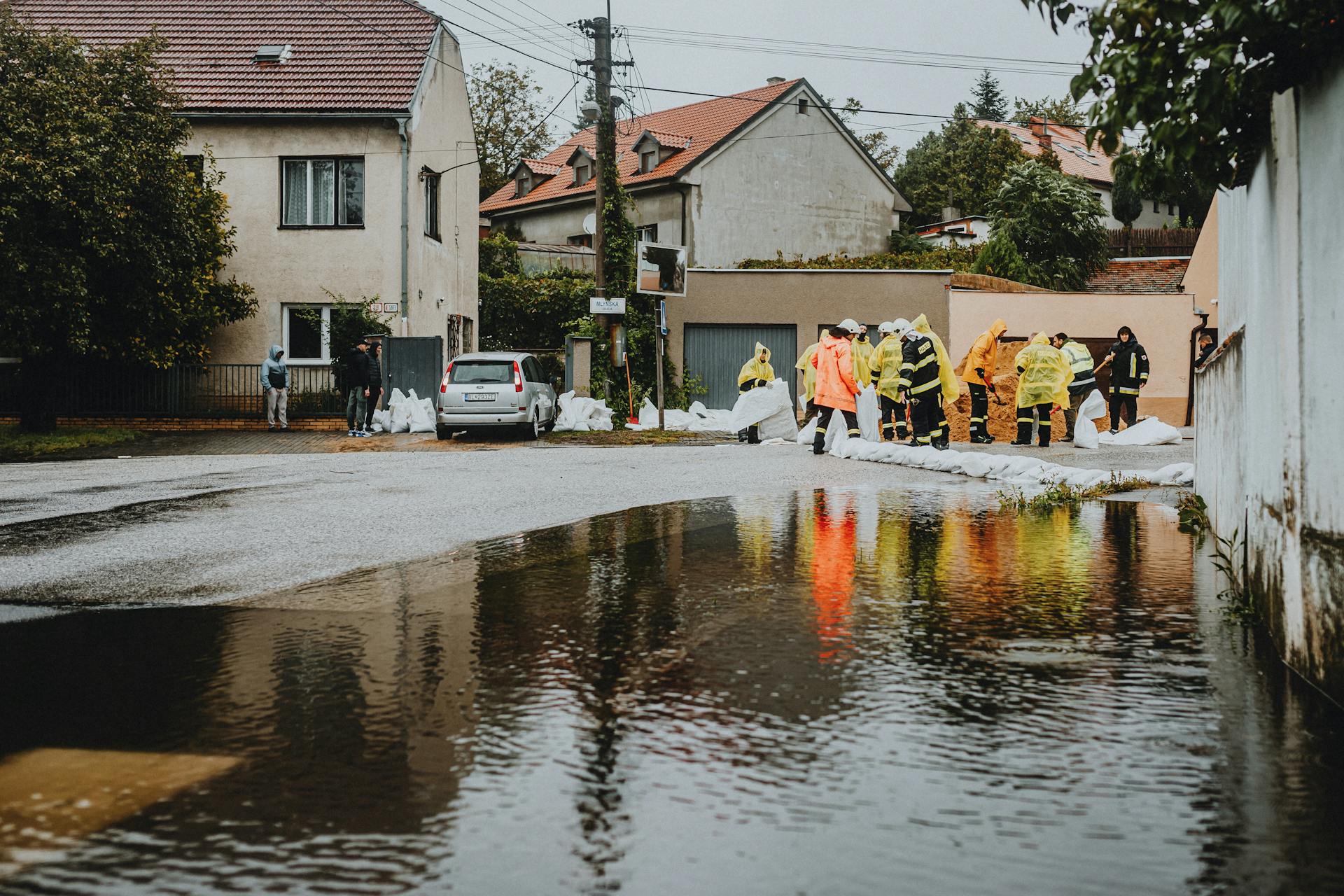
The first 24 to 48 hours after a water emergency are often the most important. The sooner you act, the better your chances of limiting damage and reducing restoration costs.
Your priority should be identifying and stopping the source of the water if it is safe to do so. Shut off the main water supply if a plumbing issue is causing the problem. If an appliance is leaking, disconnect it and prevent additional water from entering the affected area.
Once the source has been addressed, focus on removing standing water as quickly as possible. Water left sitting on floors and surfaces can rapidly soak into building materials and create more extensive damage.
Many homeowners choose professional water damage repair services at this stage because specialists can locate hidden moisture, assess structural concerns, and begin the drying process before secondary issues such as mold growth or material deterioration develop.
If conditions are safe, move furniture, electronics, and valuable belongings to dry areas. Open windows when the weather permits and use fans or dehumidifiers to improve airflow. It is also wise to take photographs and videos of all visible damage for insurance purposes before cleanup begins.
Fast action during these early hours can often save thousands of dollars in future repairs and help preserve belongings that might otherwise be lost.
Begin Thorough Drying and Dehumidification
Drying your home completely is one of the most important steps in the recovery process.
Many people assume that once visible water has been removed, the problem is solved. Unfortunately, moisture can remain trapped in building materials long after surfaces appear dry.
Proper drying requires a combination of airflow, dehumidification, and time. Fans help circulate air throughout affected spaces, while dehumidifiers remove excess moisture from the environment.
Special attention should be given to areas that commonly retain moisture, including basements, crawl spaces, wall cavities, closets, and attics. These spaces often experience slower drying and can become breeding grounds for mold if overlooked.
Monitor humidity levels whenever possible. Lower humidity helps accelerate drying and reduces the likelihood of secondary damage.
The goal is not simply to dry visible surfaces but to eliminate moisture throughout the entire affected area. Thorough drying protects structural materials and helps prevent future problems from developing.
Prevent Mold Growth and Indoor Air Quality Problems
One of the biggest concerns after a water emergency is mold growth.
Mold can develop within 24 to 48 hours under the right conditions. Once established, it can spread quickly and affect both the home and the health of its occupants.
Common signs of mold include musty odors, discoloration on walls or ceilings, and worsening allergy-like symptoms among household members. Even if mold is not immediately visible, lingering moisture creates favorable conditions for growth.
Preventing mold starts with proper drying. Any materials that cannot be adequately dried may need to be removed and replaced. This often includes heavily saturated drywall, insulation, carpeting, and certain types of furniture.
Cleaning and sanitizing affected surfaces also play an important role in reducing contamination and improving indoor air quality.
By taking mold prevention seriously from the beginning, homeowners can avoid more extensive remediation efforts later and maintain a healthier living environment.
Recovering from a household water emergency requires quick action, careful planning, and a commitment to thorough restoration. From stopping the source of the water and ensuring safety to drying affected areas and preventing mold growth, every step plays a critical role in protecting your home.
Water damage can feel overwhelming in the moment, but a structured response helps minimize losses and speed recovery. By assessing the damage carefully, working effectively with insurance providers, and addressing hidden moisture, homeowners can avoid many of the long-term consequences associated with water emergencies.
Most importantly, taking preventative measures after recovery can reduce the chances of facing similar problems again. With the right approach, it is possible to restore your home, protect your investment, and move forward with confidence after even the most challenging water-related incident.

Meg is an author at Cinnamon Hollow. She writes on a variety of topics sharing tips and ideas for daily life.