Key Takeaways
- Regular HVAC maintenance improves energy efficiency, reducing operational costs and utility expenses
- Preventive servicing extends the lifespan of commercial HVAC systems and delays costly replacements
- Proper HVAC care significantly improves indoor air quality and supports employee health and productivity
- Routine inspections help prevent unexpected system breakdowns and reduce business downtime
- Maintenance programs lower long-term repair costs by addressing small issues before they escalate
- HVAC upkeep supports compliance with health, safety, and ventilation regulations
- A proactive maintenance strategy enhances overall business performance, reliability, and workplace comfort
Introduction
Every business depends on a comfortable and healthy indoor environment to support employee well-being and operational productivity. An efficient and reliable HVAC (Heating, Ventilation, and Air Conditioning) system is the backbone of any building’s climate control, impacting everything from energy expenses to workplace health. Scheduling routine professional care, such as commercial HVAC repair, is essential for keeping your systems running optimally, ensuring comfort and compliance throughout the year.
Preventive maintenance is not just about avoiding breakdowns. It improves system reliability, enhances air quality, and ultimately protects businesses’ bottom lines of all sizes. Ignoring routine HVAC care may seem like a way to save on operational costs, but it often leads to much larger expenses and disruptions in the long run.
Enhanced Energy Efficiency
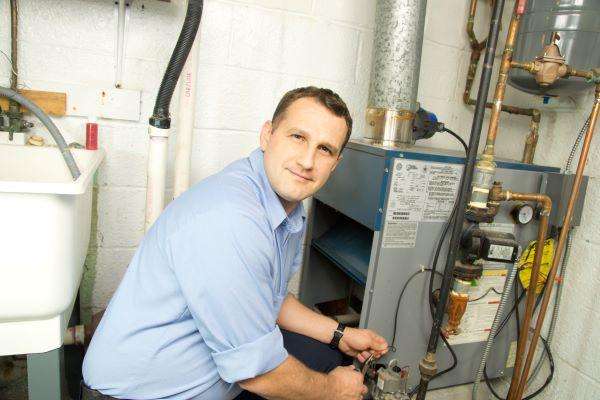
One of the most noticeable benefits of regular HVAC maintenance is improved energy efficiency. Over time, components like filters, coils, and ventilation pathways naturally accumulate dust and debris, causing the system to work harder than necessary. Scheduled servicing involves cleaning or replacing these elements, checking refrigerant, and calibrating system controls. The U.S. Department of Energy reports that businesses can reduce energy consumption by up to 20 percent simply by adhering to regular maintenance schedules, resulting in considerable savings on monthly utility bills. These savings contribute directly to a company’s profit margins, freeing up capital for other investments.
Beyond the obvious cost savings, energy-efficient HVAC systems support environmental sustainability, a growing priority for many modern organizations. Reduced energy consumption helps businesses lower their carbon footprint, a goal increasingly recognized by clients, partners, and eco-conscious consumers. In some regions, companies demonstrating energy efficiency through proper HVAC maintenance may even qualify for tax incentives, grants, or rebates, sweetening the long-term benefits of a robust maintenance schedule.
Extended Equipment Lifespan
Investing in periodic HVAC maintenance is comparable to taking your car in for oil changes and inspections; regular care significantly increases equipment longevity. Identifying and addressing small problems, such as worn belts or minor leaks, helps prevent them from escalating into system-wide failures. A well-maintained commercial HVAC system can last anywhere from 15 to 20 years, according to industry standards. In contrast, neglected systems tend to break down more frequently and may require premature replacement, which is both disruptive and costly.
Maximizing the operational life of expensive HVAC equipment keeps capital expenditures predictable and budget-friendly, allowing companies to allocate resources more efficiently elsewhere. Furthermore, consistent record-keeping of maintenance visits and repairs can serve as valuable documentation for insurance purposes or when assessing the resale value of a property. In real estate or leasing situations, a documented history of diligent HVAC care can be a selling point, signaling responsible property stewardship to buyers or renters.
Improved Indoor Air Quality
Maintaining healthy indoor air quality (IAQ) is a crucial but often overlooked aspect of HVAC upkeep. Dirty or clogged air filters can circulate dust, mold spores, allergens, and volatile organic compounds (VOCs) throughout office spaces. Poor IAQ leads to increased employee absenteeism, decreased productivity, and even potential health issues such as respiratory problems or headaches. Frequent filter changes and thorough duct inspections, as part of a regular maintenance program, are proven to reduce indoor pollutant concentrations and enhance overall workplace wellness.
Good indoor air quality is also crucial for customer-facing businesses, such as restaurants, hotels, retail stores, and healthcare facilities. Creating an environment free of unpleasant odors, airborne contaminants, and excessive humidity enhances client satisfaction and safeguards the brand’s reputation. Additionally, promoting a healthy work environment can be a valuable retention tool for employers, reflecting a commitment to staff welfare and attracting top talent.
Reduced Risk of Unexpected Breakdowns
Businesses cannot afford unscheduled HVAC outages, especially during peak seasons when customer comfort and staff productivity are at stake. Minor issues such as worn wiring, loose connections, or a failing fan motor can escalate into system failures if left unchecked. Scheduled maintenance appointments allow technicians to pinpoint these vulnerabilities and resolve them early. This approach not only reduces the likelihood of inconvenient disruptions but also helps organizations avoid the costs of emergency repairs and revenue losses from unplanned downtime.
Technicians use specialized diagnostic equipment to detect emerging issues before they become critical. For example, monitoring sensors may detect abnormal system pressures or temperatures, alerting to leaks or blockages. Implementing a predictive maintenance strategy further minimizes risks, as data-driven insights enable timely interventions, often before any noticeable performance drop. This reliability is crucial for businesses with sensitive operations, such as data centers, laboratories, or venues that host large events.
Cost Savings on Repairs
Routine checkups allow businesses to fix minor problems before they become expensive headaches. For instance, a technician replacing an inexpensive filter or sealing a small refrigerant leak during a maintenance call can save a company from the high costs associated with compressor failures or full-system replacements. A proactive approach is always less expensive and less stressful than emergency interventions, which may also disrupt business operations for hours or days.
Budgeting for routine maintenance is typically more manageable than handling sporadic repair bills. Regular service contracts often include priority scheduling and discounts on parts, making ongoing maintenance economically advantageous for businesses. Over time, these cost savings can be quantified, helping facility managers demonstrate the clear value of preventive maintenance when justifying budgets or making the case for upgraded service plans to decision-makers.
Establishing a consistent relationship with local cooling and heating specialists ensures that emergency issues are minimized throughout the year. Commercial property owners can Read more to explore how planned service agreements protect facilities from sudden operational pauses, optimize overall performance, and maintain a comfortable environment for both employees and clients alike.
Compliance with Health and Safety Regulations
Businesses are required by law to maintain certain health and safety standards, including proper ventilation and air quality. Routine HVAC maintenance is crucial for meeting these requirements, as neglected systems can lead to code violations or penalties. Ensuring HVAC equipment operates correctly helps maintain compliance with OSHA regulations and other relevant authorities, safeguards companies from legal complications, and fosters a safer environment for all building occupants.
In industries subject to additional oversight, such as food service or healthcare, the stakes are particularly high. Regular HVAC inspections and documentation provide proof of regulatory due diligence during audits and can protect companies if liability issues ever arise. Investing in compliance is not only about avoiding penalties but also demonstrates organizational integrity, which builds trust with employees, customers, and partners alike.
Final Thoughts
Making regular HVAC maintenance a priority benefits businesses on every level. Improved energy efficiency and indoor air quality, longer equipment life, and fewer unplanned interruptions all contribute to a healthier bottom line and a more comfortable, safe workplace. Companies that proactively approach HVAC maintenance lay the foundation for sustained operational excellence and cost savings, demonstrating that a well-maintained environment is key to long-term business success.
By taking a proactive stance on HVAC maintenance, businesses can gain a strategic advantage, reduce the risk of unexpected disruptions, and demonstrate a commitment to sustainability and staff wellbeing. Consider working with qualified commercial HVAC professionals to develop a maintenance plan tailored to your organization’s unique needs. This investment pays dividends not just in cost savings, but also in peace of mind and workplace satisfaction, ensuring business continuity in an increasingly competitive landscape.
Ensuring that a commercial facility remains operational requires more than just reacting to equipment failures as they arise. A strategic approach to climate control involves routine checks that identify early signs of wear in critical components like blower motors and compressor coils. When facility managers take the time to Learn more about the technical requirements of their specific units, they can better anticipate necessary adjustments before peak seasonal demands strain the system. This proactive oversight not only preserves the integrity of the hardware but also stabilizes monthly overhead by preventing the sudden spikes in energy consumption often associated with neglected, struggling machinery.