You probably think about strength when you picture someone lifting heavy weights. In reality, it shows up in countless moments throughout your day. It helps you carry laundry without straining your back, climb stairs without losing your breath, and stay steady when life gets physically demanding. Strong muscles also support healthier joints, better posture, and greater confidence in movement.
Whether you’re new to exercise or looking to improve your current routine, the right habits can help you feel stronger in ways that extend far beyond your workouts.
Why Strength Is the Foundation of an Active Lifestyle
Strength gives your body the support it needs to handle everyday movement with less effort. Walking, bending, lifting, reaching, and even sitting with proper posture become easier when your muscles are conditioned to do their job. Stronger muscles also help protect your joints by reducing unnecessary strain during daily activities. As you continue building strength, you’ll likely notice improved balance, better coordination, and greater endurance. These benefits don’t just make workouts easier. They help you stay active, independent, and ready for whatever your day brings.
Building a Strong Foundation by Strengthening Your Glute Muscles
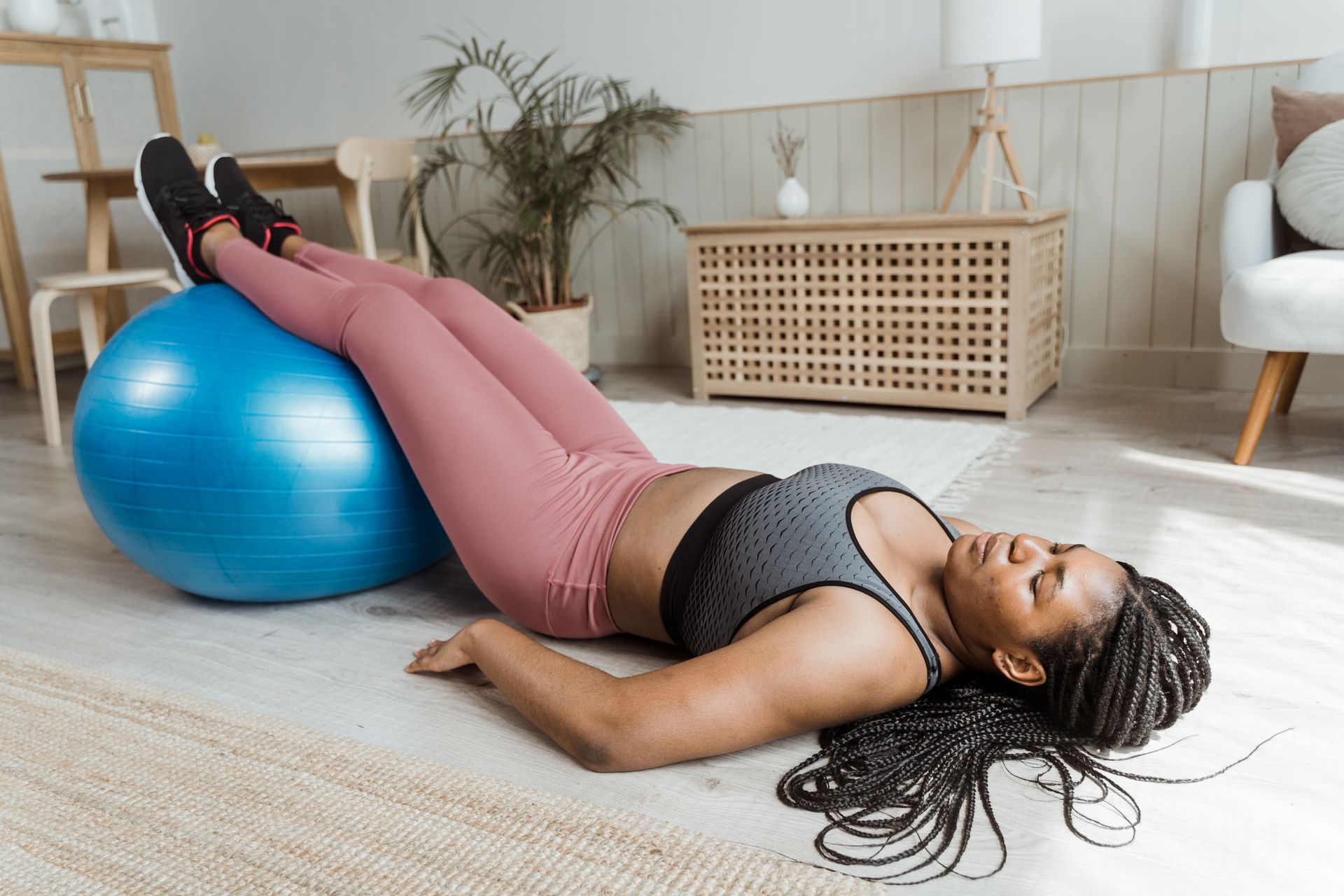
Your glutes are among the largest and most powerful muscles in your body, yet they’re often underused because of long hours spent sitting. When these muscles become weak, your lower back, hips, and knees often compensate, leading to poor movement and discomfort. Strengthening your glutes improves stability, posture, and power during activities like walking, running, climbing stairs, and lifting.
Exercises such as glute bridges, squats, hip thrusts, and lunges can build strength when performed correctly. That’s where working with a personal trainer can make a real difference. You can easily find a personal trainer for glutes online if you can’t visit a gym.
A trainer can evaluate your movement, correct your technique, and create a program based on your goals and fitness level. Instead of guessing which exercises work best, you follow a structured plan that targets the right muscles while helping reduce your risk of injury.
Focus on Functional Strength Instead of Just Heavy Lifting
Building strength isn’t about chasing the biggest numbers in the gym. Functional strength prepares your body for real-life movement by training muscles to work together. Exercises like step-ups, farmer’s carries, kettlebell deadlifts, and bodyweight squats improve coordination while building practical strength you can use every day.
This style of training helps you move more naturally because it mirrors common movements such as lifting boxes, carrying bags, or getting up from the floor. You become stronger in ways that improve daily living rather than focusing only on gym performance. That balance keeps your workouts useful and rewarding.
Make Consistency More Important Than Intensity
You don’t have to train at maximum effort every session to build strength. Showing up regularly creates better results than occasional bursts of extreme exercise. Three or four quality workouts each week can produce steady improvement when you stay committed to your routine.
Keeping workouts realistic also makes them easier to maintain. Some days you’ll have plenty of energy, while others may call for a shorter session. Both count toward your progress. Building strength is less about one exceptional workout and more about creating habits that naturally become part of your weekly schedule.
Fuel Your Body to Support Muscle Growth and Recovery
Exercise is only one piece of getting stronger. Your body also needs the right nutrition to repair and build muscle after each workout. Eating enough protein supports muscle recovery, while carbohydrates provide energy for training and healthy fats contribute to overall wellness.
Hydration deserves equal attention because muscles perform better when your body has enough fluids. Skipping meals or relying heavily on processed foods can leave you feeling sluggish during workouts and slow your recovery afterward. Choosing balanced meals throughout the day gives your body the resources it needs to keep building strength consistently.
Structuring these daily meals requires a clear understanding of your unique metabolic requirements and dietary preferences. Receiving structured guidance, such as online nutrition counselling from Diet Redefined, helps you tailor your daily intake to align with your activity levels. Implementing personalized adjustments ensures you get enough essential nutrients to keep your energy high and support your training goals.
Recovery Is Part of Getting Stronger
Pushing yourself every day without enough recovery can slow your progress. Your muscles repair and grow during rest, not while you’re exercising. That makes quality sleep, rest days, and light recovery activities just as valuable as your workouts. A short walk, gentle stretching, or an easy bike ride can help reduce stiffness while keeping your body moving. Pay attention to signs like constant soreness or fatigue because they often mean your body needs a break. Giving yourself time to recover helps you return to your next workout feeling stronger instead of drained.
Improve Mobility to Move Better Every Day
Strength works best when your body can move through a full range of motion. Mobility training keeps your joints flexible and your muscles working smoothly together. Even five or ten minutes of stretching before and after exercise can improve how you feel during workouts.
Areas like your hips, shoulders, ankles, and upper back deserve regular attention because they affect many everyday movements. Better mobility can make squats feel more comfortable, improve your posture at your desk, and reduce stiffness after long periods of sitting. It also helps you perform exercises with better technique, making every workout more productive.
Track Your Progress Beyond the Number on the Scale
The scale tells only one small part of your fitness story. Strength often shows up in ways that have nothing to do with body weight. Maybe you’re lifting heavier dumbbells, finishing workouts with more energy, or walking longer distances without getting tired. Those improvements deserve just as much recognition.
Keeping a workout journal or using a fitness app can help you notice how far you’ve come. Recording your exercises, weights, repetitions, and even how you felt after each session gives you a clearer picture of your progress. Looking back after a few months can be incredibly motivating because you’ll see improvements that might otherwise go unnoticed.
Build Everyday Habits That Keep You Active Outside the Gym
Your workouts are important, but what you do throughout the rest of the day adds up too. Taking the stairs instead of the elevator, walking during phone calls, doing yard work, or playing outside with your kids all help keep your body active. These small choices encourage regular movement without requiring extra hours at the gym.
Finding activities you genuinely enjoy also makes staying active much easier. You might enjoy hiking, cycling, swimming, dancing, or recreational sports. When movement becomes something you look forward to instead of another task on your schedule, staying active feels much more natural and sustainable.
A stronger body gives you more freedom to enjoy everyday life. It helps you stay active during busy weeks, recover more comfortably from physical demands, and approach new challenges with greater confidence. Every healthy choice you make today supports the life you want tomorrow. Stay patient with yourself, keep showing up, and let steady progress shape a future where strength becomes one of your greatest everyday advantages.
The owners and authors of Cinnamon Hollow are not doctors and this is in no way intended to be used as medical advice. We cannot be held responsible for your results. As with any product, service or supplement, use at your own risk. Always do your own research and consult with your personal physician before using.

Meg is an author at Cinnamon Hollow. She writes on a variety of topics sharing tips and ideas for daily life.