In older Midwest cities like Cleveland, plumbing problems sneak up fast because the houses themselves are aging in uneven ways. One block has century-old pipes buried under tree roots, next street over, there’s a flipped house with cheap fittings hidden behind fresh paint. Winters don’t help. Freeze-thaw cycles crack lines slowly, joints loosen, and basements stay damp longer than people notice. Most homeowners wait until water shows up where it shouldn’t. That’s the usual pattern. But plumbing maintenance works better when it stays boring. Quiet pipes are good pipes. If faucets begin sputtering, drains slow for no reason, the toilet starts ghost flushing at 2 a.m. — small warnings. Not emergencies yet, but they drift that direction. People ignore them because everything still “works.” Big mistake usually.
Monthly Checks Matter More Than Big Repairs
A simple habit helps more than expensive upgrades. Walk through the house once every month and actually look at the plumbing. Under sinks, especially. Most leaks start tiny: moisture rings, warped cabinet bottoms, mineral crust around shutoff valves. Sometimes there’s no drip visible, only a smell that feels slightly wrong. Damp wood has its own odor. So does trapped water. Homeowners miss it because they move too fast. Check exposed basement pipes too, particularly near elbows plus older threaded joints. Corrosion spreads unevenly. One section looks fine, another flakes apart when touched. Don’t overcomplicate this: flashlight, dry hand, ten minutes. Apart from that, the best course of action would be to take help from a professional plumber. So, if you live in Ohio, hiring a reliable Cleveland plumber can help you evaluate your home for potential issues before they turn into big problems.
Kitchen Drains Get Abused Constantly
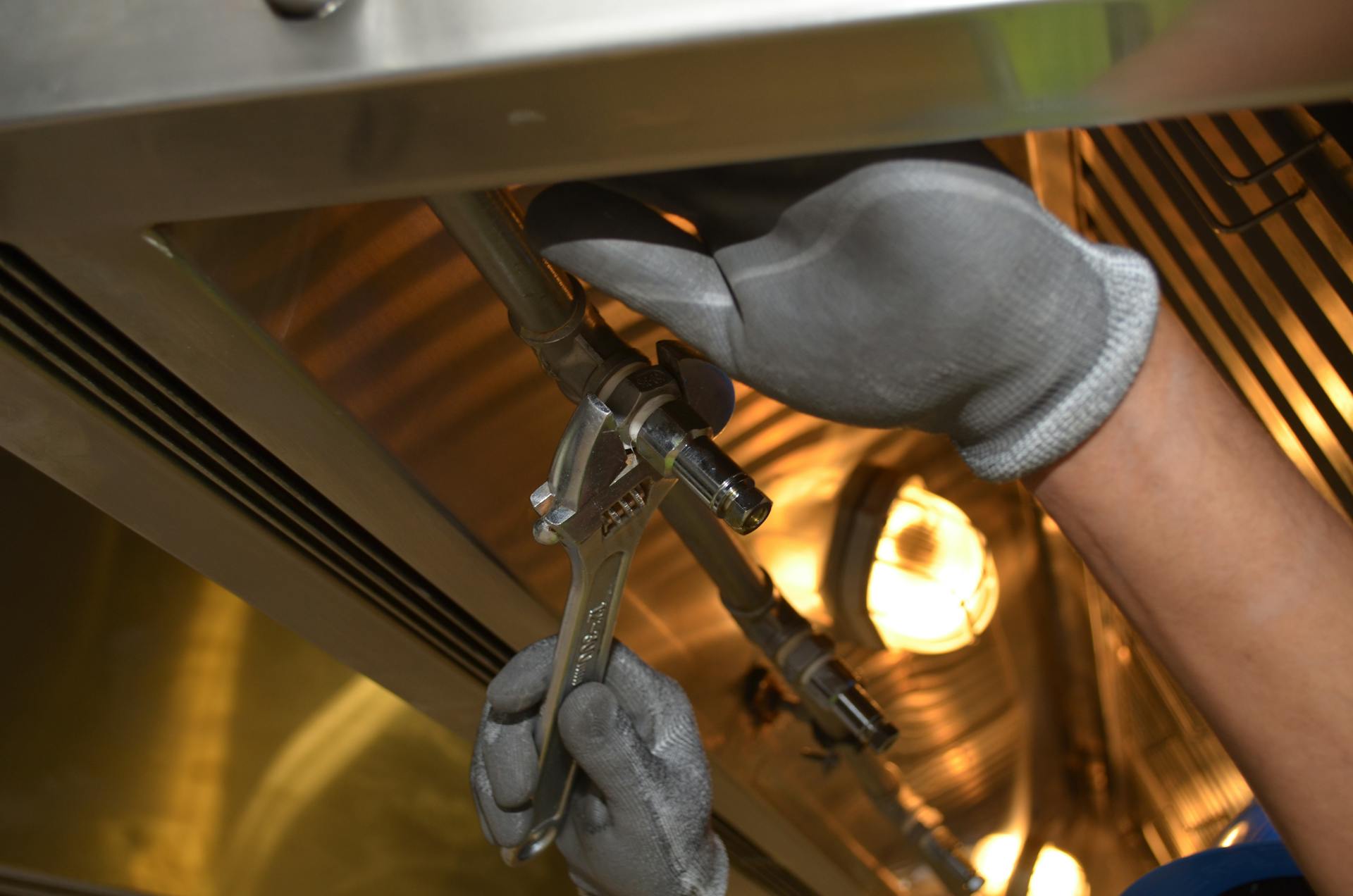
Drain problems get created slowly by ordinary routines. Grease down kitchen sinks. Hair packed into the shower traps. “Flushable” wipes that are not flushable at all, despite the label screaming otherwise. Pipes don’t care about marketing. The buildup narrows everything little by little until pressure changes and backups start happening in random places. People pour chemical cleaners constantly, which sometimes eat away older piping from the inside, especially in houses built decades ago. A better approach is basic maintenance before clogging gets serious. Hot water flushes help. Strainers help more. Remove hair manually, even though it’s unpleasant. That five-minute task prevents a weekend disaster later.
High Water Pressure Isn’t Always a Good Thing
Water pressure matters more than most homeowners realize. High pressure feels nice in the shower, sure, but it strains connections over time. Appliance hoses wear faster. Tiny cracks form. Washing machine lines burst unexpectedly because the pressure had stayed excessive for years. Ideal pressure stays moderate and stable. If faucets blast water aggressively or pipes bang after shutting taps off, something’s off already. A pressure regulator might be failing. Or absent entirely. Many older homes never had one installed properly. A plumber, for instance, would tell you that half the emergency pipe calls he sees could’ve been reduced by controlling pressure earlier, before seals weakened and basement leaks spread through finished walls. That sounded exaggerated at first. Probably wasn’t.
Toilets Waste Water Quietly
Toilets deserve more attention than they get. People only care when one stops flushing entirely. But running toilets waste shocking amounts of water quietly. Flappers degrade. Chains tangle. Fill valves wear out. Cheap internal parts fail fast, particularly bargain replacements from hardware store clearance bins. Listen after flushing. The tank should refill, then stop completely. No hissing twenty minutes later. Food coloring in the tank works for leak testing — if color enters the bowl without flushing, there’s seepage happening. Small repair. Ignore it long enough, and water bills climb for no obvious reason.
Outside Plumbing Counts Too
Outdoor plumbing gets neglected almost automatically. Hose bibs freeze because somebody forgot to disconnect the hose before winter hit. Sprinkler lines crack underground, not discovered until spring mud appears. Gutters overflowing next to foundation walls eventually create drainage pressure around the basement plumbing, too. Everything connects in annoying ways. Water always searches for weakness. Homeowners focus on the house, but outside conditions often start the chain reaction. Check exterior faucets seasonally. Insulate exposed sections where possible. Simple foam covers look cheap because they are cheap — still effective.
Strange Pipe Noises Usually Mean Something
Some people hear strange pipe noises and convince themselves that it’s a normal house sound. Sometimes yes. Old homes creak. But sharp banging, rattling, vibration behind walls, those usually mean something physical shifted or pressure changed too hard. Water hammer can loosen fittings over time. Loose mounting brackets let pipes move every time faucets close. It gets worse slowly, then suddenly. That’s common with plumbing—slow decay interrupted by one expensive day.
Water Heaters Fail Slowly Then All At Once
Leaks around water heaters deserve quick attention because failures escalate fast. Sediment buildup reduces efficiency first. Then rust appears near the bottom seam. Maybe puddling. Maybe popping sounds during heating cycles. People keep waiting because hot water still works. Until the tank ruptures overnight. Flood damage becomes the real expense, not the heater itself. Drain sediment yearly if the system allows it. Replace aging units before they fail catastrophically, not afterward. Ten to twelve years is already old for many heaters, though some survive longer. Depends on water quality, maintenance, and luck, too, honestly.
Hard Water Creates Long-Term Damage
Hard water causes quiet damage across entire plumbing systems. Mineral deposits collect inside fixtures, around aerators, and within appliances. Showerheads clog unevenly, so spray angles become chaotic. Dishwasher performance drops. White crust forms around faucets, no matter how much cleaning gets done. In some regions, it’s unavoidable. Water softeners help but require upkeep themselves; neglected softeners turn useless surprisingly fast. Salt levels were ignored for months, and settings were never adjusted. Homeowners install systems, then forget they exist.
Know Where The Shutoff Valve Is
And people forget where their main shutoff valve is. That part always surprises me. During emergencies, they panic while water keeps pouring through the ceilings. Every homeowner should know the valve location before there’s a crisis. Test it once or twice yearly so it doesn’t seize up completely. Same for individual shutoff valves under sinks and toilets. Old valves stick from disuse. Then, during a leak, you discover that nothing turns anymore. Terrible time to learn that lesson.
Maintenance works because it catches ordinary problems before panic enters the picture. That’s really the whole thing. Plumbing systems rarely fail out of nowhere. Warnings happen first — noises, smells, slow drains, damp spots, weird pressure changes, unexplained bills. Homeowners talk themselves out of concern because repair feels inconvenient. Yet neglect costs more almost every time. Not just money either. Stress, mold growth, damaged floors, ruined drywall, and insurance fights. A little attention each month prevents a pile of ugly problems later. Uneven effort is still better than none.