

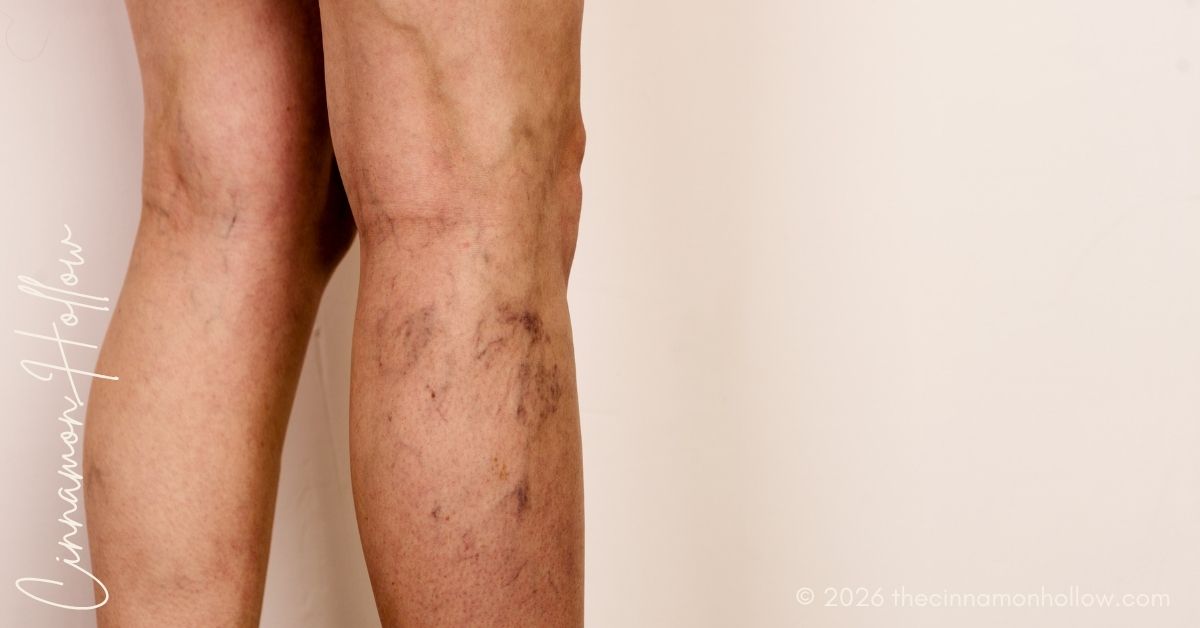
Varicose and spider veins are common, yet visible changes on the legs can signal more than a cosmetic concern. Published estimates indicate that many adults develop enlarged, twisted surface vessels, while a smaller group progresses to swelling, skin irritation, or an increased risk of ulceration. Board-certified specialists approach these findings as a circulation disorder first. Their work centers on valve function, pressure patterns, symptom burden, and long-term tissue health, rather than appearance alone.
Why Certification Matters
Surface veins may look simple, but the cause often sits deeper within the leg. People seeking trusted vein specialists serving North Zaragoza usually need physicians who can interpret duplex ultrasound results, assess clot history, and link leg symptoms to valve failure. Board certification reflects advanced assessment, procedural training, and safety review, which give patients a clearer path from diagnosis to durable treatment.
The First Evaluation
An initial visit usually begins with a review of symptoms, daily habits, and prior medical events. The specialist examines leg fullness, skin color, tenderness, ankle swelling, and the presence of raised, branching vessels. Pregnancy history, standing work, past injury, and family patterns also matter. Those details help separate harmless surface webs from venous reflux, which is inefficient blood return caused by valves that no longer close as they should.
Ultrasound Guides Decisions
Duplex ultrasound guides most treatment plans because it shows both structure and blood flow simultaneously. The scan identifies reversed flow, vessel diameter, branch involvement, and hidden obstruction. It also helps rule out deep vein thrombosis. With that map, the physician can treat the true source of pressure rather than focusing only on what appears on the skin.
Conservative Steps Still Matter
Specialists often begin with measures that support circulation, even if a procedure will follow later. Graduated compression stockings reduce venous pooling and improve calf pump efficiency during walking. Leg elevation can ease heaviness after long sitting or standing. Weight reduction may lessen pressure inside the lower extremities. These steps rarely remove prominent veins, yet they often reduce aching and prepare tissue for recovery.
Office Procedures Replace Old Surgery
Modern treatment is usually performed in an office setting with a local anesthetic. Endovenous laser therapy and radiofrequency ablation close a faulty trunk vein from the inside by using a thin catheter and controlled heat. Once that channel seals, blood shifts into healthier pathways. Pressure falls, bulging softens, and symptoms often improve without the larger incisions once required for vein stripping.
Spider Veins Need a Different Plan
Spider veins usually sit close to the skin and behave differently from larger rope-like varicosities. Many cases respond well to sclerotherapy, in which a solution irritates the vessel lining, causing closure. The body then clears that thread over time. Small red clusters or delicate purple webs may also improve with surface laser treatment, depending on color, depth, and surrounding skin tone.
Safety Shapes Every Step
Careful screening protects patients before any catheter or injection is used. Specialists review artery status, prior clotting, bleeding risk, medicines, allergy history, and pregnancy status. Ultrasound guidance improves placement accuracy and lowers the chance of treating the wrong segment. Follow-up imaging may also confirm closure and check for rare complications, such as heat-related irritation, trapped blood, or unexpected deep vein thrombosis.
Recovery Is Usually Quick
Most patients are encouraged to walk soon after treatment because movement supports circulation and lowers clot risk. Compression is often used for several days, depending on the selected method and the size of the treated vessel. Mild tightness, bruising, or tenderness can occur. Regular activity usually resumes quickly, while strenuous lifting may wait briefly until soreness and inflammation settle.
Long-Term Control Requires Follow-Up
Vein disease can change over time, even after successful closure of a major reflux source. Family history, hormonal shifts, prolonged standing, weight gain, and aging can all influence future symptoms. Follow-up visits help specialists confirm results, identify new branch problems, and address residual veins before skin damage develops. Patients who report itching, discoloration, or swelling early often preserve comfort and function longer.
Conclusion
Board-certified specialists treat varicose and spider veins by linking visible findings to underlying circulatory problems. Ultrasound identifies the source, conservative care promotes blood return, and office-based procedures seal damaged vessels with limited downtime. Recovery is usually straightforward, but follow-up remains part of sound care. For patients with aching legs, swelling, or prominent surface veins, expert evaluation can protect both comfort and skin health.
The owners and authors of Cinnamon Hollow are not doctors and this is in no way intended to be used as medical advice. We cannot be held responsible for your results. As with any product, service or supplement, use at your own risk. Always do your own research and consult with your personal physician before using.

Meg is an author at Cinnamon Hollow. She writes on a variety of topics sharing tips and ideas for daily life.


