

A home can look polished and still feel strangely uninviting. The issue often comes from small decorating habits that create visual distance, such as copying a showroom too closely, choosing flat finishes or filling rooms with furniture that doesn’t suit their scale.
Warmth comes from more than color. Texture, proportion, lighting and personal objects all affect how comfortable a room feels. If your space seems cold despite being tidy and stylish, these five areas are good places to look.
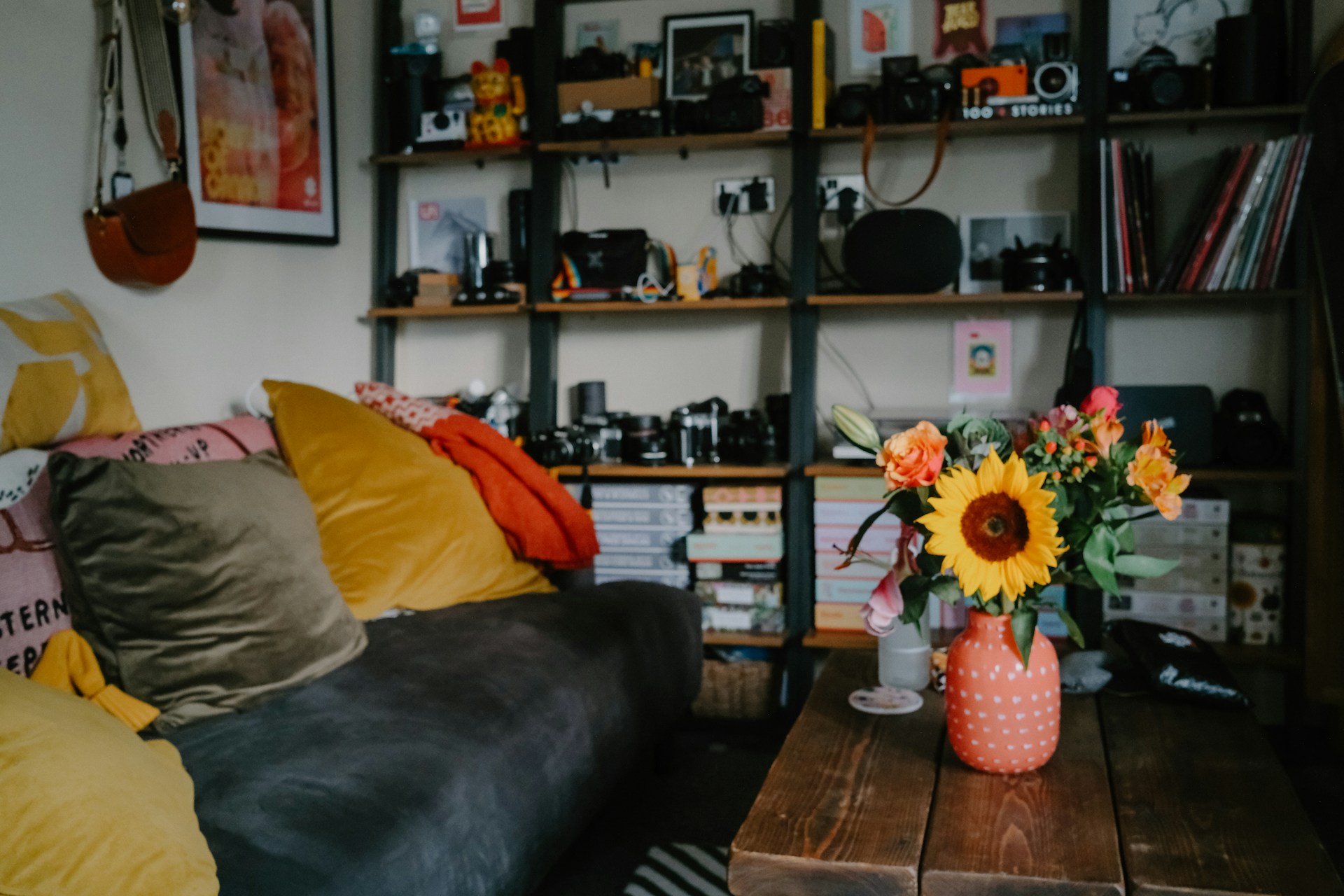
Relying Too Heavily on Catalog Trends
Catalogs and social media offer useful inspiration, but copying an entire room can leave your home looking more like a display than a place where people live. Coordinated furniture sets, matching accessories and one dominant trend may create order, yet they can also remove the small variations that give a space character.
Common living room design mistakes include using harsh color combinations, overlooking layered lighting and choosing pieces that look attractive individually but feel unwelcoming together. Before following a trend, consider how it fits your daily routine. A pale sofa may photograph beautifully, for example, but it could cause stress in a busy family room shared with children and pets.
Treat trend images as a source of individual ideas. You might borrow a paint color, rounded coffee table or style of wall molding without recreating everything around it. Mix that new element with pieces you already own, including an older side table, framed family photograph or favorite reading chair.
It also helps to save inspiration images for a week before buying anything. Review them later and identify the details that still appeal to you. If the same earthy color or curved shape keeps appearing, it may reflect a genuine preference instead of a passing impulse. That slower process creates a room with a clearer personality and reduces purchases that soon feel dated.
Overlooking Tactile Warmth and Fabric
Rooms dominated by smooth surfaces can feel chilly even when their color palette is warm. Glass, polished stone, glossy cabinetry and metal reflect light in crisp ways, but they offer little softness. Fabric and natural texture break up those surfaces and make a room feel more comfortable.
Start with the places where your body touches the room. Add a washable rug beside the bed, linen curtains near a reading chair or a soft throw across a leather sofa. Upholstered dining chairs can warm up a room filled with hard flooring and wooden furniture. Even small additions, such as a fabric lampshade or woven storage basket, change how light and sound move through the space.
Textiles can also reduce echo, which often contributes to a cold atmosphere. The acoustic qualities of interior materials vary, but soft furnishings generally absorb more sound than bare walls and hard floors. A larger rug with a proper pad may make conversation feel easier in an open living area.
If you struggle to combine texture, color and personal style, expert home decor services can provide guidance for selecting pieces that reflect your experiences and preferences. Professional input can be especially helpful when you like several styles and need a practical way to connect them.
Aim for three or four textures in a room. A wool rug, cotton upholstery, wood grain and matte ceramic can create depth without making the decor feel busy.
Mismatched Furniture Proportions
Furniture scale affects comfort before you consciously notice it. A small rug under a large sectional makes the seating area appear disconnected, while an oversized coffee table can interrupt movement. Tiny artwork hung above a wide sofa may leave the wall looking unfinished and make the furniture below seem heavier.
Measure the room and its main pieces before shopping. Use painter’s tape to mark the outline of a sofa, table or cabinet on the floor. Leave the tape in place for a day, then walk through the room as you normally would. Check whether doors can open fully, people can pass comfortably and drawers remain accessible.
In a conversation area, arrange seats close enough that guests won’t need to raise their voices. Place at least the front legs of sofas and chairs on the rug when possible. This simple adjustment visually joins the pieces and makes the arrangement feel intentional.
Pay attention to height as well. A delicate floor lamp can disappear beside a tall bookcase, and low-profile seating may look awkward next to a bulky side table. Repeating one or two heights around the room helps the eye move smoothly. For instance, the top of a side table can sit close to the arm of the sofa, while artwork can relate to the furniture below it instead of floating near the ceiling.
The principles of human-centered furniture dimensions can help when comfort and appearance seem to conflict. Measurements provide a starting point, but your household’s needs should guide the final arrangement.

Partnering with Design Professionals
A designer can help when individual purchases are attractive but the full room still feels disconnected. Professional support is also useful before a renovation, a move into a new home or an expensive furniture order. Correcting layout and scale on paper costs far less than replacing a sofa that blocks a walkway.
You don’t necessarily need help with the whole house. Many professionals offer focused consultations covering paint colors, furniture placement, lighting or accessory selection. Before the meeting, photograph the room in daylight and after dark. Record its measurements, note what must stay and create a realistic spending range.
Bring examples of rooms you like, but explain what appeals to you in each image. Perhaps you enjoy the soft lighting in one photo, the relaxed furniture placement in another and the mix of old and new objects in a third. Those observations are more useful than naming a broad style such as modern or traditional.
Ask how the professional communicates ideas and handles revisions. Depending on the project, you may receive a floor plan, sample board, shopping list or digital rendering. The interior design project process can vary based on scope, so clarify deliverables and fees before work begins.
A good consultation should leave room for your habits and belongings. Mention where you drink coffee, where children do homework and which chair the dog claims every afternoon. Practical details produce a home that feels natural after the photos and samples have been put away.
Adding Authentic Soul to Every Corner
Personal objects give visitors clues about who lives in a home. Without them, even a beautifully furnished room can feel temporary. You don’t need to cover every surface with keepsakes, though. A few meaningful items placed where you can appreciate them often have more impact than a large collection squeezed onto one shelf.
Look through cabinets and storage boxes before buying more decor. Frame a child’s drawing, display a ceramic piece brought home from a trip or stack a few well-loved books on the coffee table. An inherited bowl can hold keys in the entryway, while a family recipe written by hand can become kitchen artwork. These pieces carry stories that a mass-produced accessory cannot supply.
The way you display objects matters. Group small items on a tray so they read as one collection, and give larger pieces enough empty space around them. Rotate seasonal photographs, artwork and souvenirs instead of displaying everything at once. The practice of preserving personal collections can also help protect photographs and papers from direct sunlight, moisture and damaging materials.
Plants bring another layer of life, provided they suit the available light and your care routine. A resilient pothos on a shelf may feel more welcoming than an elaborate plant arrangement that constantly struggles.
Leave some corners quiet. A chair, warm lamp and small table may be all a reading spot needs. When the objects in your home connect to real people, routines and memories, warmth develops naturally. That familiar bowl by the door or faded photograph on the bookshelf may become the detail that makes the whole room feel settled.

Meg is an author at Cinnamon Hollow. She writes on a variety of topics sharing tips and ideas for daily life.

