Key Takeaways
- Temporary dentures provide an immediate solution for missing teeth, restoring function and appearance during the transition to permanent dentures.
- They help protect sensitive gum tissue and assist with oral healing post-extraction.
- Adjusting to temporary dentures can involve some initial discomfort, but most people adapt within a few weeks.
- Proper care and routine maintenance extend the lifespan and comfort of temporary dentures.
- Consultation with a dental professional is vital to determine candidacy and address individual needs.
What Are Temporary Dentures?
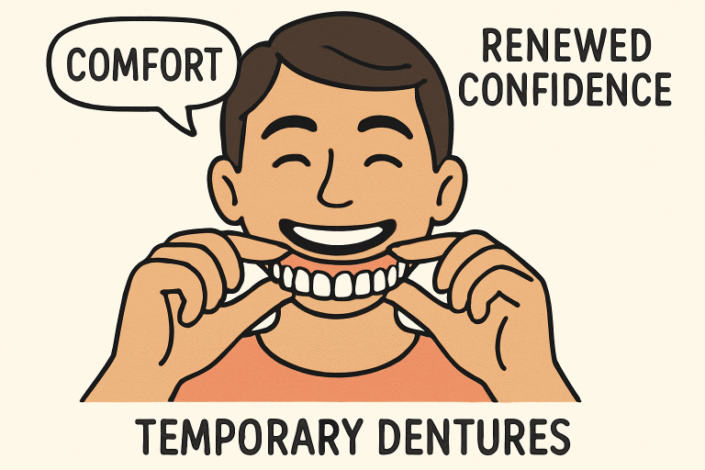
When faced with tooth loss, many people want an immediate solution that restores their appearance and oral function without delay. Temporary dentures offer exactly that, bridging the gap after extractions and before the placement of permanent prosthetics. They are custom-made to fit your mouth immediately following tooth removal, allowing you to maintain your smile and preventing the discomfort of exposed gums during the healing process.
How Temporary Dentures Are Made
The journey to receiving temporary dentures begins with detailed planning. Impressions and measurements are taken before your scheduled extractions, so your dentist can design a denture tailored to your current oral structure. The appliance is placed immediately once your teeth are removed, resulting in a seamless transition.
Besides restoring function, immediate dentures also help support the contours of your cheeks and jaw, which can prevent the sunken appearance often seen following extractions. Unlike permanent dentures, they’re not intended for long-term use and are typically worn for a few months until your gums and bone have stabilized.
Fitting Process And First Steps
Immediately after your extraction procedure, your dentist will insert the temporary denture, helping to minimize bleeding and protect the surgical site. The appliance acts as a protective barrier over the gum tissue, reducing exposure and discomfort during this sensitive period.
Immediate Adjustment Period
The first few days or weeks with temporary dentures can feel unfamiliar. Soreness, mild discomfort, and even difficulty speaking are common early challenges. Most people notice these symptoms reduce significantly after the initial adjustment phase, which usually lasts two to four weeks. Positive adaptation is closely tied to timely dental support, including adjustments to reduce sore spots or improve the fit as healing progresses. Open discussions with your dentist can ensure issues are addressed quickly to keep you comfortable and confident.
Eating And Speaking With Temporary Dentures
Mastering daily activities like eating and speaking while adjusting to temporary dentures takes patience. Soft foods such as yogurt, eggs, mashed potatoes, and soups are recommended in the initial recovery period. As you build confidence and dexterity, slowly introduce firmer foods, cutting them into small pieces and chewing evenly on both sides to prevent dislodgement. Initial speech changes are normal, but reading aloud, practicing enunciation, and repetition can greatly speed adaptation. According to the WebMD dental health guide, noticeable improvement in speech typically happens within about a week of consistent practice.
Caring For Temporary Dentures
- Clean your dentures gently daily with a soft-bristle brush and non-abrasive cleanser to remove debris and bacteria.
- Soak dentures overnight in a special solution unless instructed otherwise by your dental provider—this helps prevent warping and bacterial growth.
- Avoid using hot water, which can distort the plastic and affect fit.
- If your dentist advises, remove your dentures at night to let your gums rest and recover.
Consistent and careful cleaning supports the longevity of your temporary dentures and prevents oral health issues like infections and inflammation. The American Dental Association recommends maintaining dentures and good oral hygiene for any remaining teeth and gums during this period.
Transitioning To Permanent Dentures
Temporary dentures are not meant for long-term wear. The healing process for your gums and jaw typically takes a few months, during which the tissue shrinks and reshapes. Once your oral structure has stabilized, your dentist will take new impressions to craft a set of permanent dentures. These final appliances offer a superior fit, improved function, and a more natural look, restoring confidence and making eating and speaking easier.
The transition is usually seamless if you’ve closely followed your dentist’s instructions and attended all adjustment appointments. It’s also an ideal time to discuss any concerns with your temporary dentures so improvements can be factored into your permanent set.
Potential Challenges And Considerations
While they are highly beneficial, temporary dentures also come with potential challenges. Shifting gums, discomfort from pressure points, or an imperfect fit are common as the mouth heals. Your dentist often needs to adjust them, and some individuals may require relines or temporary adhesive to improve stability.
There’s also a cost consideration, as temporary dentures are a separate step before the investment in permanent versions. However, the value of maintaining your daily routines, self-esteem, and oral health during this phase is significant. Clear expectations, a proactive approach to care, and a reliable support system from your healthcare provider can help manage any short-term inconveniences.
Final Thoughts
Temporary dentures offer immediate restoration, comfort, and protection during the transition from extractions to permanent dental solutions. Commitment to proper care, attendance at follow-up appointments, and open communication with your dental team will help ensure a smooth transition and a confident, healthy smile throughout the journey.
The owners and authors of Cinnamon Hollow are not doctors and this is in no way intended to be used as medical advice. We cannot be held responsible for your results. As with any product, service or supplement, use at your own risk. Always do your own research and consult with your personal physician before using.

Meg is an author at Cinnamon Hollow. She writes on a variety of topics sharing tips and ideas for daily life.