

Poor sleep can make the first day of a trip feel much longer than it should. A practical travel sleep kit keeps familiar comforts close without filling half your suitcase. The best kits are small, easy to use and tailored to the conditions that usually disrupt your rest, such as hallway noise, bright windows or a room that feels too warm. A few carefully chosen items can help you settle in and preserve the bedtime habits your body already recognizes.
Unfamiliar Beds and Restless Nights
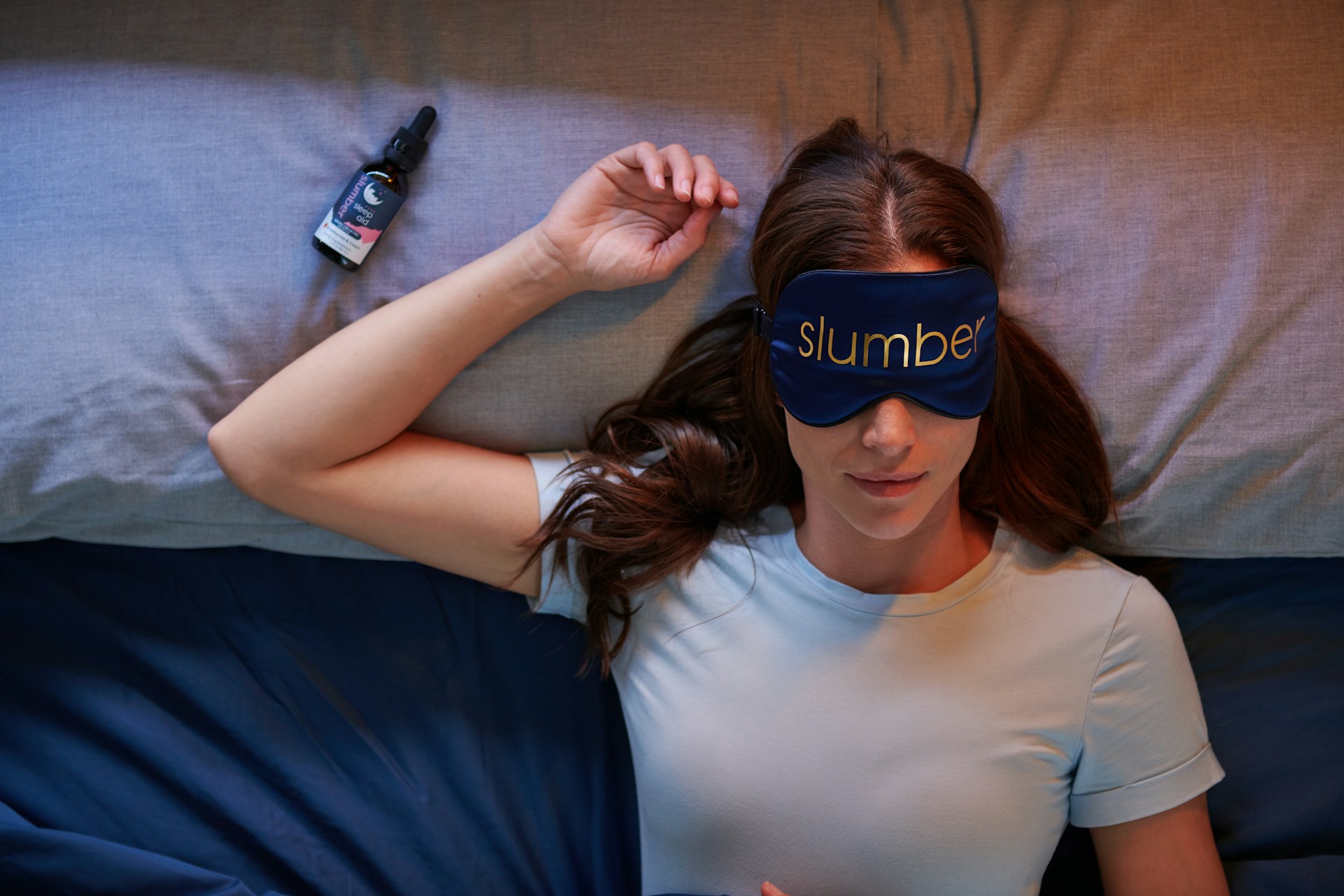
A different mattress, unfamiliar sounds and a change in time zone can keep your brain alert long after bedtime. Start your kit by identifying what commonly bothers you. Pack a soft eye mask for stray light, comfortable earplugs for noise and a pair of clean socks if cold feet keep you awake.
Keep these supplies together in a zippered pouch stored near the top of your bag. A dedicated sleep travel kit also prevents you from searching through a suitcase when you arrive late. Test every item at home first. An eye mask that feels fine for five minutes may become uncomfortable after an hour, while poorly fitting earplugs can create pressure.
Compact Gear That Saves Pack Space
Choose items that earn their space. An inflatable neck pillow can replace a bulky traditional pillow, while a lightweight scarf can serve as a blanket on a chilly flight. Downloaded white noise or a familiar audiobook may eliminate the need for another device, though headphones should remain comfortable when you lie down.
Travelers considering sleep strips supplements can compare their size and directions with other options while assembling a compact kit. Check the label carefully and speak with a health care professional before using any dietary supplement, especially if you take medication, have a medical condition or are pregnant. Keep all products in their original packaging so ingredients and instructions remain available during the trip.
Why Fast Dissolving Aids Beat Bulky Bottles
Slim, individually packaged items fit neatly into a personal bag and remove the risk of carrying a large container that may leak or take up valuable room. They can also be easier to access when water isn’t nearby. Still, convenience should never replace careful use. Follow the package directions and avoid trying an unfamiliar wellness product for the first time during an overnight flight or before an important morning.
Apply the same compact approach to non-ingestible comforts. Single-use earplugs, a folding eye mask and a short charging cable take up little space. These travel sleep tips also emphasize bringing familiar comforts from home. Aim for a finished kit that fits inside one small pouch and can move easily between your carry-on, hotel nightstand and day bag.
Stick to Predictable Routines on the Road
Your bedtime routine may help more than any single item in your kit. Try to follow the same basic sequence you use at home: wash up, lower the lights, set the room temperature and spend a few quiet minutes away from work messages. If you usually read for 15 minutes before bed, bring a paperback or use an e-reader with a dim, warm display.
Morning habits matter too. Get outside after waking when possible, eat at regular times and limit long afternoon naps that could delay sleep later. For a short trip, keeping your usual schedule within about an hour may be easier than fully adjusting to local time.
Before zipping the pouch, place it beside your keys or travel documents. That small choice makes it far less likely that your carefully assembled sleep kit will be left at home.
Check out our Travel Adventure videos below!


Meg is an author at Cinnamon Hollow. She writes on a variety of topics sharing tips and ideas for daily life.