Common Sources of Household Water Leaks
When we set out to choose the right faucet for our needs, we focus on style, features, and durability. But even the best choices can lead to unexpected issues, like leaks. A small, persistent drip from a faucet might seem minor. Yet, it can silently waste over 5 gallons of water every day. This causes hidden damage and spikes utility bills. This is why understanding the deeper impact of water issues and the role of professional leak detection is so vital for homeowners in Central Illinois. Knowing how to spot and address leaks quickly is as important as selecting the perfect faucet. This article will help us understand common leak sources, the signs to watch for, and how advanced detection methods can protect our homes and conserve precious water.
While we might diligently choose a faucet that complements our kitchen or bathroom aesthetic and offers optimal functionality, the reality is that leaks can still emerge from various points within our plumbing systems. These issues often stem from normal wear and tear, manufacturing defects, or environmental factors. Understanding these common sources is the first step in protecting our homes in Central Illinois, including areas like Bloomington-Normal, from potential water damage and unnecessary expense. From the seemingly innocent dripping faucets to the more insidious hidden pipe issues, each leak type presents its own set of challenges and indicators. Factors like worn aerators, persistent high water pressure, and general fixture fatigue can all contribute to cabinet damage and other costly problems over time.
Dripping Faucets and Fixture Seals
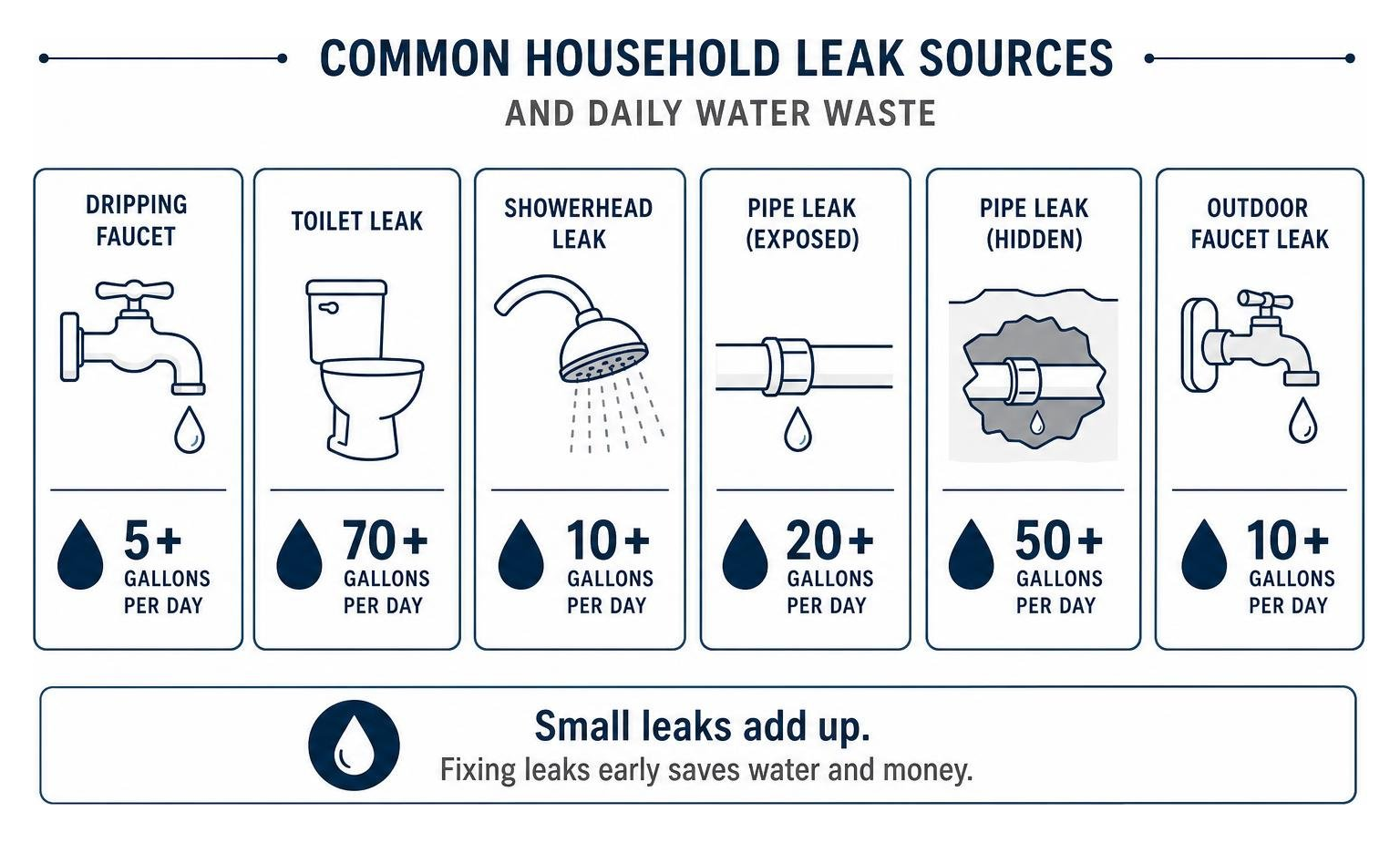
The most visible, and often underestimated, source of water waste comes from dripping faucets. While it might seem like a minor annoyance, a faucet that drips just once per second can waste over 5 gallons of water daily. This adds up significantly on our utility bills and contributes to water scarcity. The root cause of these drips often lies within the faucet’s internal components, specifically the valve types.
Faucets typically utilize one of three main valve types:
- Ceramic disc valves are known for their durability and smooth operation. They consist of two ceramic discs that slide against each other to control water flow. Over time, these discs can wear or accumulate mineral deposits, leading to leaks.
- Cartridge valves use a hollow metal or plastic cartridge that moves up and down to regulate water. Seals within the cartridge can degrade, causing drips.
- Compression washers, found in older faucets, rely on rubber washers that compress to stop water flow. These washers are prone to wearing out and hardening, making them a frequent culprit for leaks.
Beyond the internal valves, other parts of the faucet can fail. Worn aerators, which mix air with water for a smoother flow, can contribute to irregular water patterns or minor leaks. The spout reach and the way the faucet is positioned can also lead to splashing that, over time, can compromise the seals of deck-mounted fixtures, allowing water to seep into countertops or cabinetry. When faced with persistent drips or concerns about the integrity of your fixtures, understanding the internal mechanics is crucial. For a deeper dive into selecting the right faucet to prevent such issues, and to understand when a visible leak might indicate a larger problem requiring expert attention, exploring resources on professional leak detection can be incredibly beneficial. Addressing these issues promptly is key to preventing further damage.
Concealed Pipe and Slab Leaks
While dripping faucets are obvious, far more destructive are the concealed leaks that occur within our walls, floors, or even beneath the foundation. These leaks often go unnoticed for extended periods, silently causing significant damage before they become apparent.
Wall-mounted plumbing can hide leaks for months or even years. A slow drip from a pipe behind a shower wall or under a wall-mounted sink can lead to mold growth, weakened drywall, and structural timber rot. By the time a damp spot appears on the wall, the damage behind it is often extensive.
In-slab piping presents an even more challenging scenario. Many homes, especially those built on concrete slabs, have water supply lines or drainage pipes embedded directly within the foundation. A leak in one of these pipes can cause water to saturate the ground beneath the slab, leading to:
- Foundation cracks: The constant presence of moisture can weaken the concrete and cause it to shift or crack, leading to costly structural repairs.
- Floor damage: Water can wick up through the slab, causing damp carpets, warped hardwood floors, or cracked tiles.
- Increased humidity: Elevated moisture levels contribute to indoor air quality issues and potential mold growth throughout the home.
Factors like hard water, prevalent in many areas including McLean County, exacerbate these problems. Hard water contains high concentrations of minerals like calcium and magnesium, which can lead to pipe corrosion and scale buildup. This buildup narrows pipes, increases water pressure in certain sections, and eventually weakens the pipe walls, making them more susceptible to leaks. Over time, this corrosion can silently erode the integrity of our plumbing, turning a minor issue into a major structural concern.
When to Invest in Professional Leak Detection Services
Identifying a leak isn’t always straightforward. While a visible drip is an obvious indicator, many leaks remain hidden, subtly impacting our homes and finances. Knowing when to call in the experts for professional leak detection is crucial for mitigating damage and preventing escalating costs. We should consider professional help if we notice unexplained bill surges, a sudden drop in water pressure, damp drywall, the appearance of mold growth, or even subtle floor warping. Persistent dripping, even from seemingly minor sources, can also be a red flag for a larger underlying issue.
Signs of Silent Fixture and Supply Line Leaks
Many leaks don’t announce themselves with a steady drip into a bucket. Instead, they manifest through more subtle, yet equally damaging, signs. These “silent leaks” often originate from fixture seals or supply lines that are hidden from view.
We should be vigilant for:
- Water spots: Discoloration on ceilings, walls, or under cabinets can indicate a leak above or behind the surface. These spots might be faint at first but will grow over time.
- Warped cabinets: Water seeping from a sink’s supply line or a dishwasher connection can cause the wood in nearby cabinets to swell, warp, or delaminate.
- Vanity damage: Similar to cabinets, bathroom vanities are highly susceptible to water damage from leaky faucets, drains, or supply lines. Look for peeling paint, softened wood, or visible mold.
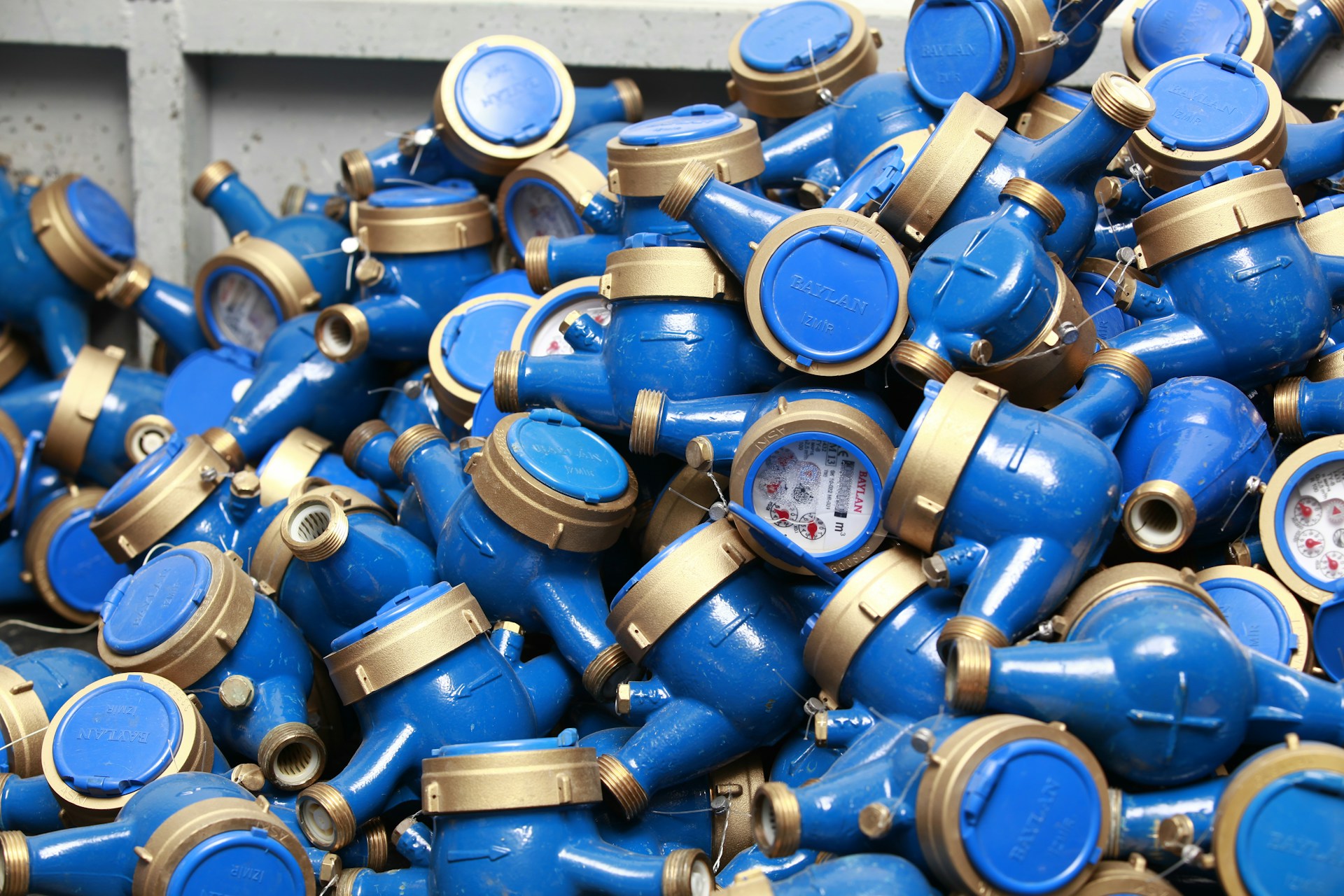
- Unexplained water meter activity: If your water meter continues to run even when all water-consuming appliances are off and no faucets are open, it’s a strong indicator of a hidden leak somewhere in your system. This is a definitive sign that professional intervention is needed.
- Structural decay: Over a longer period, persistent hidden leaks can lead to the decay of wooden structural elements, compromising the integrity of your home. This might manifest as sagging floors, sticking doors, or cracks in walls.
These signs, especially when combined, paint a clear picture that water is escaping where it shouldn’t be. Ignoring them can lead to significant repair bills, not just for the plumbing but for the affected parts of our homes.
Impact on Plumbing Fixtures and Home Efficiency
Beyond the immediate damage, hidden leaks have a profound impact on the overall efficiency and longevity of our plumbing systems and homes. A constant drip or a slow, steady seep means that our plumbing fixtures are under undue stress, and our resources are being wasted.
- Fixture Longevity: Leaks often indicate that a fixture’s internal components, such as valves or seals, are failing. Allowing these issues to persist can accelerate wear and tear on the entire fixture, shortening its lifespan and necessitating premature replacement. Even high-quality, WaterSense fixtures designed for efficiency can be compromised by unresolved leaks, negating their water-saving benefits.
- Water Conservation: The statistics are stark: a single dripping faucet can waste thousands of gallons of water annually. This isn’t just about the cost on our utility bills; it’s about the broader environmental impact. In Central Illinois, water conservation is a shared responsibility, and addressing leaks is a direct way we can contribute.
- Flow Rate and Pressure: A leak, particularly in a supply line, can subtly reduce the water pressure throughout our home. We might notice weaker shower streams or slower-filling sinks, indicating that water is diverting elsewhere. This inefficiency impacts our daily comfort and the performance of our appliances.
- Property Protection: The most significant impact of unaddressed leaks is the potential for extensive property damage. Water can destroy drywall, flooring, insulation, and even compromise electrical systems. The hidden moisture creates ideal conditions for mold and mildew growth, which can lead to costly remediation and pose health risks. Protecting our property means proactively identifying and repairing leaks, ensuring the structural integrity and healthy environment of our homes. Early detection saves us from far greater expenses and headaches down the line.
Advanced Technologies Used for Pinpointing Water Leaks
Gone are the days when leak detection relied solely on guesswork and destructive exploration. Today, professional leak detection services leverage cutting-edge technologies that allow us to pinpoint the exact location of hidden leaks with remarkable precision and minimal disruption to our homes. These advanced methods save time, reduce repair costs, and prevent unnecessary damage to property. From subtle sounds to temperature variations, these tools provide a comprehensive view of our plumbing systems.
Modern Tools Used in Leak Detection Services
When we call in experts for leak detection, they arrive equipped with a suite of sophisticated tools designed to identify even the most elusive leaks. These technologies allow for non-invasive inspection, meaning we don’t have to tear down walls or dig up floors unless absolutely necessary.
Some of the primary tools include:
- Acoustic Sensors: These highly sensitive listening devices can detect the faint sound of water escaping from a pipe, even when it’s buried deep underground or behind a wall. Water under pressure escaping a pipe creates a distinct sound, and skilled technicians can interpret these sounds to pinpoint the leak’s location.
- Thermal Imaging: Infrared cameras detect temperature differences. Leaking hot water pipes will often create a warmer spot on a wall or floor, while cold water leaks might show up as cooler areas. This technology is particularly effective for leaks within walls or under floors.
- Digital Pressure Testing: This involves isolating sections of the plumbing system and monitoring pressure changes. A drop in pressure indicates a leak within that specific section, helping to narrow down the search area.
- Electronic Locators: For metallic pipes, electronic locators can trace the path of the pipe underground or within walls. This helps technicians know exactly where to focus their acoustic or thermal detection efforts.
- Line Tracing: Similar to electronic locators, this method uses a signal generator to send a frequency through the pipe, allowing a receiver to trace its exact path. This is crucial for understanding the layout of hidden plumbing.
- Meter Analysis: As mentioned earlier, monitoring the water meter for unexplained activity is a fundamental step. Professionals can perform more detailed meter analysis to confirm the presence of a leak and estimate its severity.
- Video Inspection: For drain lines and larger pipes, small, flexible cameras can be inserted into the plumbing system. This allows for a direct visual inspection of the pipe’s interior, identifying cracks, blockages, or other damage causing leaks.
By combining these technologies, professionals can systematically narrow down the location of a leak, ensuring an accurate diagnosis and targeted repair.
Deck-Mounted vs Wall-Mounted Plumbing Diagnostics
The location of our plumbing fixtures—whether deck-mounted or wall-mounted—significantly influences the approach to leak diagnostics. Each type presents unique challenges and requires specific diagnostic considerations to effectively identify hidden water issues.
For deck-mounted fixtures, such as those commonly found on kitchen and bathroom sinks, leaks often originate at the base of the faucet, around the supply lines underneath the counter, or from the drain assembly.
- Countertop seals: Water can seep through worn or improperly sealed gaps between the faucet base and the countertop. This can lead to water damage within the cabinet below, often manifesting as warped wood or mold.
- Deck plates: If a single-hole faucet is installed on a sink with multiple holes, a deck plate is used to cover the unused holes. Leaks can occur if this plate isn’t properly sealed, allowing water to penetrate the countertop.
- Supply lines: The hot and cold supply lines connecting the faucet to the main water supply are common points for leaks, especially at the connection points where they attach to the faucet or the shut-off valves.
- Backsplash moisture: While often a sign of splashing, persistent moisture at the backsplash behind a deck-mounted faucet can also indicate a slow leak from the faucet body or its connections.
When diagnosing issues with deck-mounted plumbing, technicians will often use moisture meters to check for dampness within the cabinet and around the fixture, and may use visual inspection mirrors to see hard-to-reach areas.
Wall-mounted plumbing, while aesthetically appealing and space-saving, presents a more complex diagnostic challenge because all the working components are concealed behind the wall.
- Concealed valves: The mixing valve for a wall-mounted faucet or shower is entirely within the wall. Leaks here can go unnoticed for extended periods, leading to significant damage to drywall, insulation, and framing.
- Wall cavity imaging: Thermal cameras and acoustic sensors are particularly valuable here. A thermal camera can detect temperature anomalies on the wall surface that indicate a hot or cold water leak behind it. Acoustic sensors can listen for the sound of water escaping within the wall cavity.
- Access points: Diagnosing wall-mounted leaks often requires careful consideration of potential access points, such as behind an access panel or through a strategically cut opening in the drywall, to minimize repair impact.
Understanding these differences helps us appreciate the specialized techniques and tools that professionals bring to the table, ensuring that leaks are found and fixed efficiently, regardless of where our fixtures are mounted.
Long-Term Benefits of Early Leak Resolution
Addressing water leaks promptly offers far more than just stopping a drip. The long-term benefits of early leak resolution extend to our finances, our home’s structural integrity, our health, and our commitment to water conservation. By taking swift action, we invest in the overall well-being and longevity of our property, securing peace of mind for years to come.
Preventing Water Damage with Leak Detection Services
Water is a powerful force, and even small, persistent leaks can lead to catastrophic damage if left unchecked. Professional leak detection services play a critical role in preventing this damage, safeguarding our homes from a cascade of costly problems.
- Mold Prevention: One of the most immediate and serious consequences of hidden moisture is mold growth. Mold thrives in damp, dark environments and can quickly spread, causing extensive damage to building materials and posing significant health risks, especially for individuals with allergies or respiratory conditions. Early leak detection eliminates the moisture source, preventing mold from taking hold.
- Subfloor Rot: Leaks from upstairs bathrooms, kitchens, or even a slow drip from a toilet supply line can saturate subflooring. This leads to wood rot, weakening the floor structure and potentially requiring extensive and expensive repairs, including replacing sections of the subfloor and finished flooring.
- Foundation Stability: As discussed, leaks from in-slab piping can compromise the very foundation of our homes. Constant moisture can cause soil expansion and contraction, leading to foundation cracks, uneven settling, and structural instability. Detecting these leaks early protects the most critical component of our home.
- Emergency Prevention: A small, manageable leak today can quickly escalate into a burst pipe emergency tomorrow, especially with factors like aging pipes or fluctuating water pressure. Proactive leak detection identifies these vulnerabilities before they become catastrophic events, saving us from the stress, expense, and extensive damage of a plumbing emergency.
- Asset Longevity: Every component of our home, from the drywall to the appliances, is an asset. Water damage can diminish the lifespan and value of these assets. By preventing water damage, we protect our investments and maintain the overall value of our property.
Investing in leak detection isn’t just about fixing a problem; it’s about comprehensive asset protection and ensuring the long-term health and stability of our Central Illinois homes.
Optimizing Water Pressure and Fixture Performance
Beyond preventing damage, resolving leaks early also plays a crucial role in optimizing the performance of our entire plumbing system. A leak isn’t just water escaping; it’s an inefficiency that impacts everything from our water pressure to the lifespan of our fixtures.
- Pressure Regulators: Leaks can often be exacerbated by, or even contribute to, issues with water pressure. If our home’s water pressure is too high, it puts undue stress on pipes and fixtures, increasing the likelihood of leaks. Conversely, a significant leak can cause a noticeable drop in pressure throughout the home. Professionals can assess water pressure, recommend pressure regulators if needed, and ensure that our system operates within optimal parameters.
- Flow Efficiency: When water is constantly escaping through a leak, the overall flow efficiency of our plumbing system is compromised. This means that when we turn on a faucet or flush a toilet, the system has to work harder to deliver the required water volume, potentially leading to slower flow rates and reduced performance from appliances like dishwashers and washing machines.
- Scale Buildup: In areas with hard water, leaks can be a symptom of internal pipe degradation due to scale buildup. When water escapes through a tiny pinhole, it often leaves behind mineral deposits, which can further corrode the pipe or clog aerators in our faucets. Addressing leaks often involves inspecting for and managing scale buildup to restore optimal flow.
- Valve Durability: The internal valves of our faucets (ceramic disc, cartridge, compression) are designed to withstand countless cycles of opening and closing. However, if a leak persists, it indicates that these valves are failing or under stress. Repairing the leak, or replacing the faulty valve, ensures that the rest of the faucet can continue to function efficiently for its intended lifespan.
- Solid Brass Fittings: The material quality of our plumbing components significantly impacts their durability. Solid brass fittings, for instance, are highly resistant to corrosion and wear, offering superior longevity compared to lesser materials. When leaks occur, it’s an opportunity to assess the quality of existing fittings and upgrade if necessary, ensuring better long-term performance and fewer future issues. By maintaining proper pressure, ensuring efficient flow, and using durable components, we enhance the overall performance and longevity of our entire plumbing infrastructure.
Frequently Asked Questions about Leak Detection
We often have many questions when it comes to leaks, especially the hidden ones. Understanding the answers to these common queries can empower us to act quickly and make informed decisions about our home’s plumbing health.
How do hidden leaks affect monthly utility bills?
Hidden leaks are silent drainers of our finances. Even a minor drip, seemingly insignificant, can lead to a substantial increase in our monthly utility bills. This is because the water wasted by these leaks is still metered and charged to us.
- Water Waste: A dripping faucet can waste over 5 gallons of water per day. Multiply that by 30 days, and we’re looking at 150 gallons of wasted water from just one small drip. A running toilet can waste hundreds of gallons daily.
- Utility Costs: Every gallon wasted translates directly to higher utility costs. Over time, these cumulative volumes of wasted water can add hundreds of dollars annually to our water bills, money that could be better spent elsewhere.
- Meter Movement: The most telling sign of a hidden leak’s impact on bills is continuous water meter movement even when no water is being used inside the house. This indicates that water is constantly flowing out of our system, directly contributing to those unexplained bill surges. Addressing these leaks is one of the most effective ways to reduce our household expenses and conserve resources.
What are the signs of a concealed water pipe leak?
Concealed water pipe leaks, particularly those within walls or under floors, rarely announce themselves with a visible stream of water. Instead, they offer a range of subtle clues that we need to learn to recognize.
- Warm Spots: If a hot water pipe is leaking under a floor or behind a wall, we might notice a warm spot on the surface. This is a clear indicator that water is escaping and heating the surrounding material.
- Damp Carpets or Warped Flooring: A leak beneath the floor can cause carpets to feel damp or appear discolored, or hardwood floors to warp, buckle, or lift.
- Wall Discoloration or Peeling Paint: Water seeping from a pipe inside a wall can cause paint to bubble or peel, wallpaper to lift, or discoloration and staining on the drywall.
- Low Water Pressure: A significant leak in a supply line can lead to a noticeable drop in water pressure throughout the home, as some of the water is escaping before it reaches our faucets.
- Running Water Sounds: Perhaps the most unsettling sign is the sound of running water when no faucets or appliances are in use. This could be a faint trickling, dripping, or even a steady rush coming from within walls or under floors, indicating a hidden pipe leak.
If we observe any of these signs, it’s crucial to investigate further with professional assistance to prevent extensive damage.
How often should plumbing systems be inspected for leaks?
While there’s no single answer that fits every home, we generally recommend proactive measures to ensure our plumbing systems remain leak-free and efficient.
- Annual Maintenance: For most homes, an annual plumbing inspection is a wise investment. During this inspection, professionals can check for early signs of wear and tear, test water pressure, and identify potential vulnerabilities before they escalate into major leaks.
- Aging Pipes: If our home has older plumbing (e.g., galvanized steel or original copper pipes that are decades old), more frequent inspections might be beneficial. Older pipes are naturally more susceptible to corrosion and failure.
- Winter Freezing: In Central Illinois, the risk of pipes freezing and bursting during winter is a concern. After a particularly harsh winter, it’s a good idea to check for any new leaks that might have developed due to temperature fluctuations.
- Hard Water Areas: Homes in areas with particularly hard water might benefit from more frequent checks, as mineral buildup can accelerate pipe degradation and lead to leaks.
- Preventive Checks: Beyond professional inspections, we can perform simple preventive checks ourselves. Regularly inspect visible pipes under sinks, around water heaters, and in basements for any signs of moisture, corrosion, or drips. Listen for unusual sounds of running water.
By combining diligent personal observation with periodic professional inspections, we can significantly reduce the risk of hidden leaks and ensure the long-term health of our plumbing system.
Conclusion
Choosing the right faucet for our needs is undoubtedly an important decision, influencing both the aesthetics and functionality of our kitchens and bathrooms. However, as we’ve explored, the journey to a well-maintained home extends far beyond initial selection. The presence of leaks, whether obvious or concealed, can undermine even the most thoughtful choices, leading to wasted resources, escalating utility bills, and significant property damage.
The average family uses their kitchen faucet 40 or more times a day, highlighting just how critical these fixtures are. Yet, a dripping faucet can waste over 5 gallons of water daily, silently impacting our budgets and the environment. This is why understanding the importance of early detection and professional intervention is paramount. From the subtle signs of silent fixture leaks to the destructive potential of in-slab piping issues, recognizing the indicators of a problem is the first step toward resolution.
By embracing proactive measures, such as regular inspections and prompt action when a leak is suspected, we protect our homes from mold, structural decay, and the financial burden of extensive repairs. Leveraging advanced technologies like acoustic sensors and thermal imaging allows professionals to pinpoint issues with precision, ensuring efficient and targeted repairs. Investing in professional leak detection and maintaining our plumbing systems ensures not only the longevity of our fixtures but also the structural integrity and water efficiency of our Central Illinois homes, providing us with peace of mind for years to come.

Meg is an author at Cinnamon Hollow. She writes on a variety of topics sharing tips and ideas for daily life.