A Murphy bed adds flexibility without more square footage. A vertical model turns your room into a home office, guest bedroom, or multi-purpose space. However, it remains a major project that needs planning, the right hardware, and expert installation.
Learn these seven essentials to keep your Murphy bed looking great and staying secure for years.
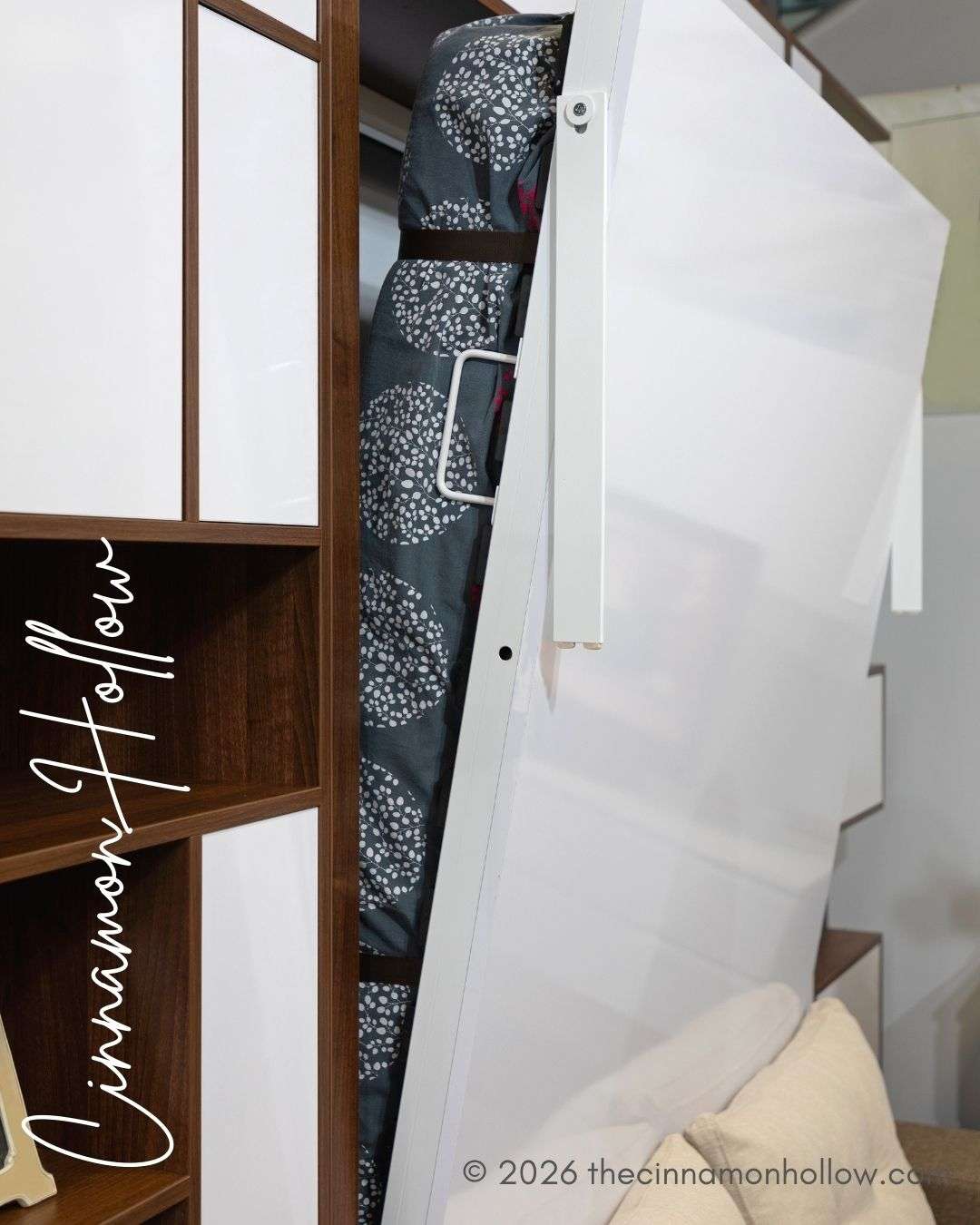
1. Measure Your Room, Wall, and Layout First
The setup of vertical Murphy beds depends on your room’s ceiling height and clear wall width. Unlike horizontal Murphy beds, vertical models require more height and a narrow wall span, making them suitable for rooms with tall ceilings.
You should:
- Measure floor to ceiling length.
- Confirm the wall width, including baseboard and molding.
- Check the door swing and the nearby table for ample furniture clearance.
- Plan where you will pull the bed down and where you will lift it up.
- Make sure the bed platform sits well when closed.
Consider the flow of your room’s layout as well. You should have enough walking space when the bed frame is open and closed. Review your product pictures and the setup video before installing the bed.
2. Know Your Wall Type and Stud Locations
You’d want your wall to support the vertical Murphy bed. Every Murphy system should be anchored to studs—not to drywall—for safety and long-term support.
Use a stud finder, level, drill, pre-drill bits, and screws to find studs. Mount the cabinet and frame into the studs. Double-check stud locations before drilling.
3. Choose the Right Mattress and Bed Platform
Not every mattress fits every Murphy bed. Thickness and weight limits matter.
So before buying your mattress, you should:
- Check the approved mattress height.
- Confirm the weight limits of the hardware kit.
- Verify if the bed can support a queen-size mattress.
- Make sure the bed platform design matches the mattress type.
Some wall beds need lighter foam or hybrid models. A mattress that feels too heavy can strain the bed’s lift mechanism. The head end of the bed frame should also properly align with the pivot hardware so the bed slides and closes nicely.
4. Decide Between DIY Murphy Bed or Pre-Made Kit
Build your DIY Murphy bed from scratch or buy a ready-made kit from online retailers. Your choice affects the cost, time, and skill requirements in mounting the bed.
DIY build considerations:
- Requires accurate plans.
- Heavy wood cutting and finishing.
- Use of clamps, wood glue, and special tools.
- More customization choices.
- Higher margin for error.
Pre-made kits also have these advantages:
- Pre-engineered hardware.
- Step-by-step instructions.
- Faster and easier assembly than DIY methods.
- Tested lock and support systems.
If you have ample carpentry experience, go for a DIY project. If this project is new to you, buy a quality Murphy bed kit.
Assembly Takes Longer Than You Think
Assembling the vertical Murphy bed isn’t easy. It takes two people to do it, so plan your time well.
You should pre-drill multiple holes, connect frame panels, install lift hardware, and align the edge and cabinet faces. Position your unit square on the ground to see how the bed looks once it’s attached to the wall.
Watch complete video tutorials and read the instructions before installation to understand the entire process.
6. Finishes, Paint, and Room Design Matter
Your new Murphy bed project is as much visual as it is mechanical. Since the unit is the room’s main feature, your choice of finishes matters a lot.
The popular ones include:
- Paint that matches the wall’s colors.
- Wood stain for a natural look.
- Decorative molding.
- Cabinet-style door fronts.
- Built-in desk or office shelves.
When closed, the wall bed unit should look like the room’s highlight.
7. Understand the Benefits and Tradeoffs
A vertical Murphy bed offers major benefits and some potential trade-offs, and you should understand both.
The benefits include:
- A significant amount of space is saved during your waking hours.
- Guest bedroom conversions for your visitors.
- A dual-purpose office or bedroom.
- Clean, hidden bed storage.
- When installed properly, the bed is capable of daily use.
Possible tradeoffs:
- Higher upfront costs.
- Permanent mounting to the wall.
- Not easily movable after installation.
- Setting up is a major undertaking.
For many homes, a vertical Murphy bed remains a convenient way to add sleeping space without expanding your footprint. Lori Beds provides this convenience with its Murphy bed models, which feature clean designs and detailed video guidance so you don’t fumble with installation.
Parting Words
A vertical Murphy bed installation is rewarding when done right. Measuring your wall space carefully, anchoring the bed to studs, using the right hardware kit, and following instructions carefully can help you put the bed in the right place.
If this is your next project, proper planning ensures your new bed will lock, lift, and fold smoothly, giving you durability that supports comfortable sleep every night.