Taking care of your body is important for staying active, reducing stress, and improving overall well-being. For many years, traditional massage therapy has been a popular way to relax muscles, ease tension, and support recovery. Today, smart home wellness devices are giving people another option by bringing recovery and relaxation into their own homes.
Both approaches offer unique benefits, but they differ in convenience, cost, personalization, and long-term use. Understanding these differences can help you choose the option that best fits your lifestyle, health goals, and daily routine, making it easier to support your body whenever you need it.
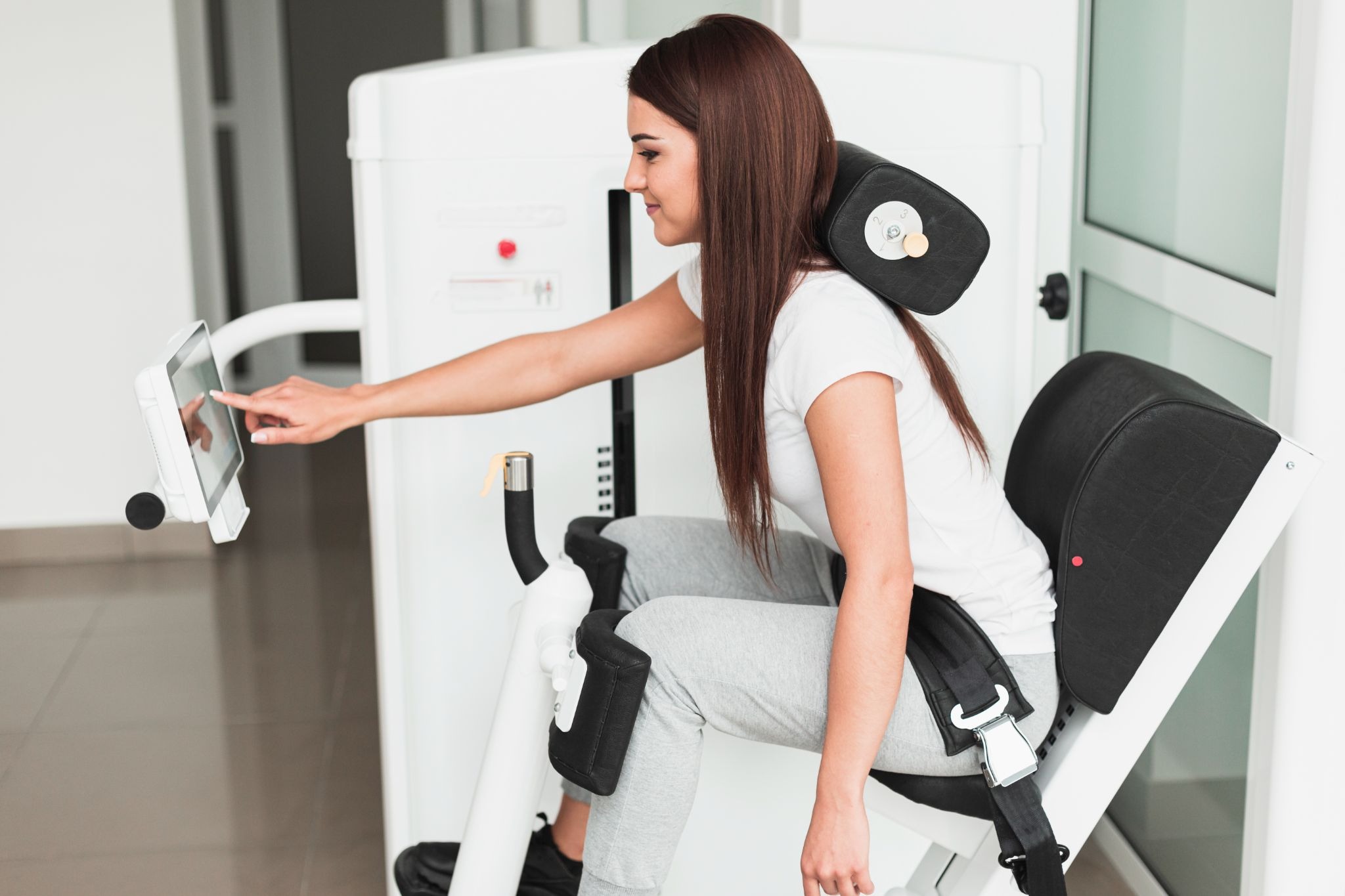
Smart Home Wellness Devices: Technology in Your Hands
This is where smart home wellness devices have found their place. They are not trying to be a licensed therapist with intuition. Instead, they offer convenience, consistency, and quick access.
For people who sit all day, train hard, travel often, or simply want to unwind after work, these tools can be surprisingly useful.
Types of Smart Home Wellness Devices Transforming Self-Care
At-home wellness tools now include full-body chairs, massage guns, compression wraps, heated recovery mats, and wearable trackers. Each one supports self-care in a different way.
When searching for the best massage chair, look for a model that offers strong body support, dependable safety features, and massage programs that feel natural rather than harsh or mechanical.
Advantages of Smart Devices for Home Wellness
Modern smart home wellness devices may combine heat, vibration, air compression, recline settings, and app-based controls. That mix can help you tailor sessions to your day.
To get the best massage chair experience, pay attention to features like body scanning, multiple recline positions, and customizable programs designed for sleep support, stress relief, or back discomfort.
Drawbacks and Considerations
The tradeoff is pretty clear. Devices can cost more upfront. They take a little time to learn. And they cannot replace human judgment.
Privacy also deserves a mention. If a connected device gathers usage patterns or body-position data, it is worth knowing how that information is stored and used.
Smart home wellness devices offer anytime access, repeatable routines, and multi-mode comfort. Now let’s compare both options directly.
Traditional Massage Therapy: A Time-Honored Wellness Solution
There’s a reason hands-on care has stayed relevant for so long. It feels personal because it is. A trained therapist can notice where you’re tense, how your body responds, and when to ease up or go deeper.
Traditional massage therapy remains a trusted wellness option because it combines skilled touch with human judgment. For stress, circulation, soreness, and pain management, that personal attention can make a real difference.
Core Principles and Approaches in Massage Therapy
A licensed therapist may use Swedish massage to help you relax, deep-tissue techniques to relieve stubborn tightness, or more focused work for recovery and mobility. The important part is responsiveness.
If your shoulder flinches or your breathing changes, the therapist can adjust pressure, speed, or positioning immediately. That kind of real-time adaptation is hard to duplicate with a machine.
Benefits of Massage Therapy Backed by Science
The benefits of massage therapy often include reduced stress, improved circulation, less muscle tension, and a better mood. For people dealing with chronic pain, there’s another advantage: a skilled therapist may spot posture habits, guarding patterns, or overworked areas you did not even realize were part of the problem.
That insight can be valuable, especially when discomfort keeps coming back.
Limitations and Challenges
Of course, massage therapy is not always simple to fit into a busy week. You need an appointment. You may need to drive across town. And if you go regularly, the cost can add up quickly.
So the natural question becomes: what if you could get some relief at home, whenever you need it?
Massage Therapy vs Wellness Devices: In-Depth Comparison
When people compare massage therapy vs wellness devices, they usually care about three things: how it feels, what it costs, and whether it helps. Neither option wins in every situation, which is why the best choice is often personal.
Customization and User Experience
A therapist can read your breathing, muscle response, facial expressions, and feedback. That human awareness matters.
Devices, on the other hand, rely on programmed routines, sensors, and repeatable settings. If you like consistency, that can be a plus. You know what you are getting each time.
Efficacy for Different Wellness Goals
Athletes, remote workers, and busy parents may find home tools useful between professional sessions. Nearly half (48%) of American homes have at least one smart home device. So the comfort level with smart products is already there for many households.
Still, outcomes matter most. Pain relief, better sleep, faster recovery, and lower stress are not just nice extras. They affect how you move through your day.
Unlocking Hybrid Wellness: Merging Tradition with Technology
Here’s the sensible middle ground: you may not have to choose one or the other. Traditional massage and smart wellness tech solve different parts of the same problem.
A blended routine can give you professional insight plus everyday support at home.
How Combining Both Approaches Maximizes Results
A therapist can identify tight spots, explain safe pressure, and recommend what to focus on between visits. Then a device can help you maintain that progress after long workdays, workouts, travel, or too many hours in a chair.
It is a bit like seeing a trainer and still stretching at home. The two can work together.
Best Practices for Integrating Home Wellness Technology
If you plan to add the best massage chair to your wellness routine, prioritize supportive recline, simple heat controls, and programs that match your actual wellness goal. Flashy extras are fun, but comfort and consistency matter more.
Combining methods can be powerful, as long as you use them safely and regularly.
Choosing the Right Approach: A Personalized Action Plan
The right plan depends on your body, health history, time, space, comfort level, and budget. What works beautifully for your neighbor may not be right for you. Annoying, but true.
Key Factors to Consider When Selecting Your Wellness Routine
If you have severe pain, recent surgery, nerve symptoms, or an existing medical condition, speak with a healthcare professional first.
If your main concerns are everyday soreness, tight muscles, or stress, home wellness technology may be a practical starting point.
Top Tips for Maximizing Results
Book massage therapy when you need expert assessment, deeper bodywork, or help understanding recurring discomfort. Use devices for maintenance, but avoid turning the pressure up too high just because it feels intense in the moment.
Choosing the best massage chair means making sure it fits your body size, your room, and your daily routine. It should support your life, not become one more chore on your list.
Once you choose your direction, results come from steady use, smart adjustments, and listening to your body.
Future Trends: What’s Next for Home Wellness Technology and Massage Therapy
Wellness tools are changing quickly. The next generation will likely focus on smarter feedback, better comfort, and smoother connections between professional care and at-home routines.
Innovative Devices and Smart Features on the Horizon
Expect improved body scanning, wearable feedback, guided recovery apps, and chairs that adapt more naturally to your shape. Some tools may even connect with sleep, stress, and movement data.
Wellness Industry Shifts to Watch For
More therapists may recommend home routines supported by approved devices. Hybrid care professional guidance plus daily self-care will likely become more common, especially for busy adults and aging households.
Before you invest, though, a few practical questions are worth answering.
Common Questions About Massage Therapy and Smart Wellness Devices
What is better, CMT or LMT?
An LMT is usually a licensed massage therapist, while CMT often means certified massage therapist. Rules vary by state, so “better” depends on training, legal requirements, experience, and whether the provider understands your specific needs.
How does a robot massage compare to a traditional massage?
A robot massage can be convenient, consistent, and helpful for daily relief. A traditional massage offers human judgment, better response to pain signals, and hands-on adjustments that devices cannot fully copy.
Can I use massage chairs and traditional massage therapy together?
Yes, many people use both. Tell your therapist what device you use, start with shorter home sessions, and avoid intense settings right before or after deep bodywork to reduce soreness.
A good wellness routine should feel realistic, not perfect. Start with what your body needs most, build from there, and choose tools that help you feel better in the life you actually live.
The owners and authors of Cinnamon Hollow are not doctors and this is in no way intended to be used as medical advice. We cannot be held responsible for your results. As with any product, service or supplement, use at your own risk. Always do your own research and consult with your personal physician before using.

Meg is an author at Cinnamon Hollow. She writes on a variety of topics sharing tips and ideas for daily life.