Picture this: you have a deadline, an opportunity that needs funding, and a watch in your drawer that could help cover the gap. You do not want to sell it. You just need short-term cash. Luxury asset loans exist for this situation, letting you borrow against a high-value item such as a watch, piece of jewellery, handbag, artwork, or collectible and reclaim it once you repay.
The process can be straightforward, but it depends on working with a trustworthy pawnbroker. A rushed decision or a poorly vetted shop can lead to undervaluation, unclear fees, or the loss of something irreplaceable. Keep one point in mind from the start: any loan secured against your item uses that item as collateral. If you cannot repay, you risk forfeiting it.
This guide walks through a practical way to find, vet, and work with a specialist luxury pawnbroker in the UK. It also explains when selling or consigning may be the better choice.
What Luxury Asset Loans Actually Mean
A luxury asset loan is collateralised borrowing. You hand over a valuable item, receive a cash amount based on its appraised value, and agree to repay the principal plus interest within a set period. If you repay on time, you get the item back. If you do not, the pawnbroker can sell it to recover the debt.
For many people, the appeal is speed and discretion. There is usually no lengthy application, and the item itself acts as the security for the loan.
The trade-off is important. You are temporarily parting with something valuable, and the total cost of borrowing can add up once interest, fees, storage, and insurance are included. Always ask for the full repayment figure before you commit.
Step 1: Start with a Focused Search
Generic searches return generic results. Narrowing your query by item type and location makes a difference. Try phrases such as “luxury pawnbroker London,” “watch pawnbroker Mayfair,” or “jewellery pawn specialist Birmingham.”
When reviewing results, look beyond the map pin. Click through to the provider’s pages and assess what information is actually provided. When you search for a pawn shop near me, look for pages that explain which luxury categories are accepted, how valuations work, whether insured home collection is available, and what the repayment terms involve. Clear information is a useful sign of a more transparent operation.
Pay attention to whether the site separates watches, jewellery, handbags, and art, or treats every item as the same type of asset. Specialists tend to give more informed valuations because they understand the details that affect resale value.

Step 2: Verify Legitimacy and Expertise
Before visiting a shop or sending an item, confirm that the pawnbroker is properly authorised. In the UK, pawnbrokers that offer regulated consumer credit should appear on the Financial Services Register maintained by the FCA.
If you cannot verify a business, look elsewhere.
Licensing is only the first check. You should also consider the expertise behind the valuation. For watches, look for staff with horological knowledge or recognised training. For jewellery, gemmological credentials matter.
If the business claims trade body membership, verify that claim independently.
A reputable pawnbroker should also be comfortable reviewing independent grading reports. For diamonds, a report from a body such as the Gemological Institute of America (GIA) provides an objective assessment of cut, colour, clarity, and carat weight.
Step 3: Understand How Valuation Works by Category
Valuations are not arbitrary. Each luxury category has its own factors that influence the offer. Knowing these in advance helps you ask better questions and spot weak valuations.
Watches
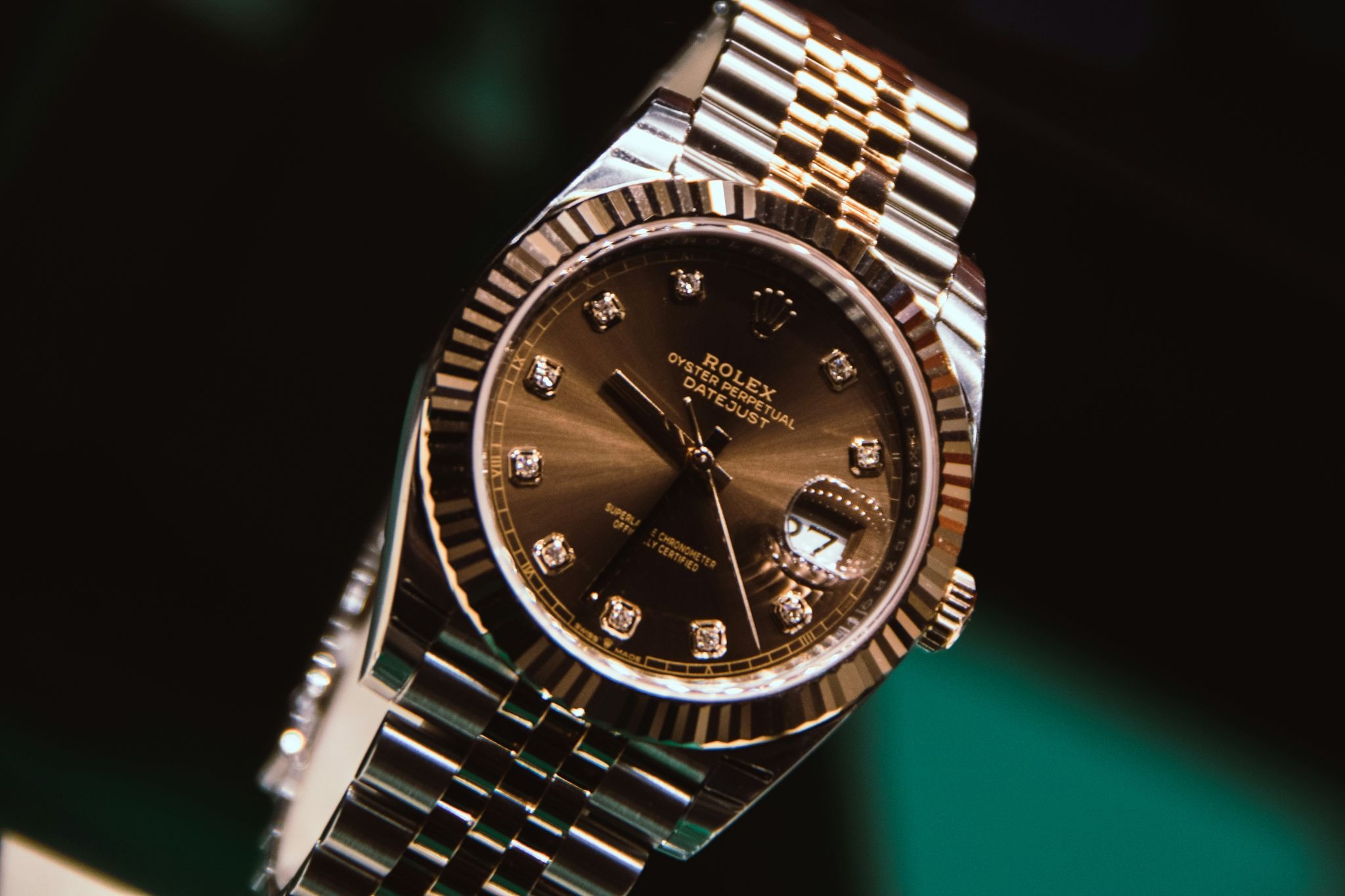
Brand, reference number, age, and condition are the starting points. Original box and papers, including the warranty card, purchase receipt, and service booklets, usually strengthen the valuation. A documented service history from an authorised service centre can also help. Market demand for specific references changes over time, so the same model can receive different offers in different market conditions.
Jewellery
Metal purity matters, and UK hallmarking requirements for precious metals provide a useful verification layer. The British Hallmarking Council and UK Assay Offices publish guidance on how to read hallmarks. For gemstones, independent grading reports are valuable. Designer provenance, such as a piece from a recognised house with original packaging and a certificate, can also support a stronger valuation.
Handbags
Model, season, colourway, and condition all play a role. Authentication is critical, especially for brands with active resale markets. Completeness matters too. A dust bag, original receipt, authenticity card, and serial number documentation can all help. A bag in excellent condition with original accessories will generally receive a higher offer than the same model without them.
Art and Collectibles
Provenance and authenticity documentation are essential. The liquidity of the piece, meaning how readily it could sell if you default, heavily influences the loan-to-value ratio. Less liquid items may receive lower offers relative to their appraised market value.
Step 4: Compare Loan Terms Side by Side
Once you have one or more offers, compare the full terms rather than just the headline loan amount. Ask each pawnbroker for a written breakdown that covers the principal amount, annual percentage rate (APR), additional fees, redemption period, extension options, storage, insurance, and default process.
Here is the plain-English risk: if you cannot repay the loan, including interest and fees, by the end of the agreed period, the pawnbroker can sell your item. You may lose it permanently. Ask how any sale surplus is handled, what charges may be deducted, and whether you will receive written notice before sale.
Also ask whether there is a cooling-off period after the agreement is signed. UK consumer credit rules may provide certain protections, but details can vary by agreement. Check current FCA guidance rather than relying only on a verbal summary.
Step 5: Check Discretion, Security, and Insurance
Luxury pawnbroking often involves items worth thousands of pounds or more. How a pawnbroker handles, stores, and insures your item matters as much as the valuation.
Look for private consultation rooms rather than open counters.
If the pawnbroker offers home collection or courier pickup for high-value items, ask about tamper-evident packaging, insured transport, and chain-of-custody documentation. Request clear information about insurance coverage for stored items, including policy limits and what is covered, such as theft, damage, fire, or flood.
If the security or insurance arrangements sound vague, ask for specifics. A reluctance to answer clearly is a warning sign.
Step 6: What to Observe During an In-Store Visit
A visit can reveal things a website cannot. Use this checklist before or during your appointment:
- Is the premises clean, secure, and professional?
- Are items handled carefully, ideally with gloves for watches and jewellery?
- Does the appraiser explain their reasoning, or only state a number?
- Is the paperwork clear, itemised, and provided before you are asked to sign?
- Are storage and insurance details explained without you having to ask?
- Do staff answer questions patiently, without pressuring you to agree quickly?
If the environment feels rushed, disorganised, or dismissive, trust that instinct.
Step 7: Consider Alternatives: Sell, Consign, or Keep
Pawning is not the only option, and it is not always the best one. Depending on your needs, selling outright or consigning may make more sense.
Pawning suits situations where you want to keep the item long term but need cash now. Speed is usually the main advantage. The downside is the cost of borrowing and the risk of forfeiture.
Selling outright gives you an immediate payout with no interest or ongoing obligation, but the item is gone for good. If you have no emotional attachment and need the maximum certainty, this may be the clearest path.
Consignment means a dealer sells the item on your behalf, usually for a commission. It can produce a higher final price than a pawn loan, but the timeline is longer and less predictable. You also give up possession during the sale period.
A simple way to decide is this: if urgency is high and you want the item back, pawning may fit. If urgency is low and you want the highest possible return, selling or consigning may be better. If you are unsure, ask whether the provider offers all three options and compare the figures in writing.
Scripts for Smart Questions
Walking into a valuation appointment with prepared questions puts you in a stronger position. You can use these directly:
- “How did you arrive at this valuation, and what comparables are you using?”
- “What fees beyond interest will I pay? Please list storage, insurance, and handling separately.”
- “How are items stored, and what is the insurance coverage limit?”
- “What happens if I cannot repay on time? Is there an extension option, and what does it cost?”
Red Flags to Walk Away From
Not every pawnbroker deserves your trust. Walk away if you encounter any of the following:
- No written paperwork or refusal to provide itemised terms before you commit
- Vague or evasive answers about fees, storage, or insurance
- Valuations that seem unusually high or unusually low without a clear explanation
- Pressure to sign immediately, with no time to review the terms
- Inconsistent licence or registration information
Preparing Your Item and Paperwork
A little preparation before your appointment can improve both the experience and the offer.
Clean the item gently, avoiding harsh chemicals on watches, jewellery, leather, or delicate materials.
Photograph its current condition from multiple angles, including any scratches, dents, or wear. Gather all supporting documents, such as purchase receipts, grading reports, warranty cards, service records, authenticity certificates, and original packaging.
Before you go, set a private walk-away number. This is the minimum loan amount or sale price you would accept. Having that figure in mind helps you avoid agreeing to terms you may later regret.
UK-Specific Points to Keep in Mind
This guide is not legal or financial advice, but there are a few UK-specific areas worth checking before you proceed.
- Authorisation: Confirm the pawnbroker’s status on the FCA’s Financial Services Register before engaging.
- Hallmarking: UK law requires certain precious metal items to be hallmarked. Understanding hallmarks helps valuation discussions.
- Cooling-off rights: Some agreements may include cancellation or cooling-off rights. Verify the current rules through official FCA consumer guidance.
- Disclosure norms: Loan agreements should disclose APR, all fees, the redemption period, extension policies, and what happens on default.
For any of these points, verify the latest details with the relevant official source rather than relying solely on what a pawnbroker tells you.
FAQ
These short answers cover common questions to clarify before using a luxury pawnbroker.
What items do luxury pawnbrokers typically accept?
Most specialist luxury pawnbrokers focus on watches, fine jewellery, designer handbags, and art or collectibles with established resale markets. Acceptance depends on the item’s condition, provenance, and resale potential. Contact the pawnbroker in advance to confirm whether your specific item qualifies.
How fast can funds be available?
Timelines vary by provider and item complexity. Some luxury pawnbrokers can complete a valuation and release funds quickly for straightforward items, such as watches with full documentation. More complex pieces, such as art requiring provenance checks, may take longer.
What happens if I cannot repay the loan?
If you cannot repay the loan, including interest and fees, within the agreed period, the pawnbroker has the right to sell your item. Some pawnbrokers offer extension options for an additional cost, but this is not guaranteed. Always clarify default, notice, sale, and extension terms in writing before signing.
What documents help improve my offer?
Original purchase receipts, warranty cards, service records, independent grading reports, certificates of authenticity, and original packaging can all support a stronger valuation. The more documentation you provide, the easier it is for the appraiser to verify the item and explain the offer.
Final Thoughts
Finding the right luxury pawnbroker is mostly about preparation and patience. Take time to verify credentials, understand your item’s value, and compare your options.
Whether you choose to pawn, sell, or consign, the goal is a fair outcome for an item you care about, handled with care and discretion. If the terms do not feel right, it is better to walk away and reassess than to commit under pressure.