Planning a family road trip is full of excitement. You’re picturing new sights, fun stops, and memories that will last a lifetime. But before you can hit the open road, there’s one crucial step that ensures your journey is smooth and stress-free: getting your car ready. A well-prepared vehicle is the foundation of a successful road trip, helping you avoid preventable breakdowns and keeping your family safe and comfortable for all the miles ahead. Taking the time for a few checks and preparations can make the difference between a trip you’ll always remember for the right reasons and one you’d rather forget.
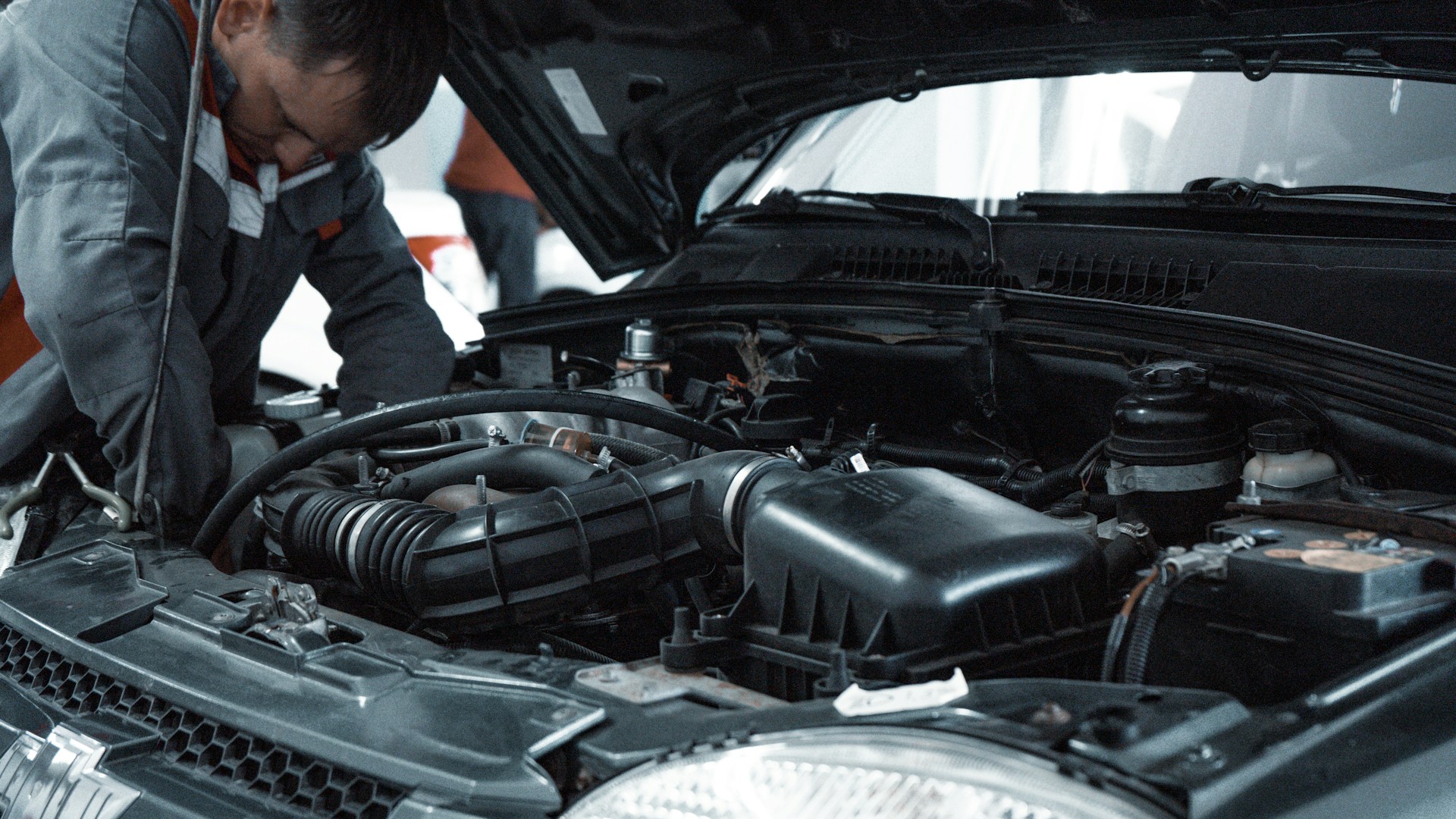
The Pre-Trip Checkup: What to Inspect Under the Hood and Beyond
A week or two before you head out, it’s time to get acquainted with what’s under your car’s hood. If you’re not comfortable doing this yourself, a quick visit to a trusted mechanic is a great investment. Start with the basics: your car’s fluids. Check the engine oil level and colour using the dipstick. If it’s dark and gritty or you’re approaching your scheduled oil change, get it done before you go. Long drives in summer heat can be tough on an engine, and fresh oil provides better lubrication and protection. Next, check the coolant (antifreeze) level in the reservoir; this is vital for preventing your engine from overheating. Finally, top off your windshield washer fluid. You’ll be surprised how many bugs you encounter on the highway, and a clean windshield is essential for safety. Beyond visibility, regular vehicle maintenance ensures your car is road-trip ready, preventing unexpected breakdowns and costly repairs.
Beyond fluids, take a look at the belts and hoses. You don’t need to be a mechanic to spot obvious problems. Look for cracks, fraying, or a glazed appearance on rubber belts. Squeeze the larger radiator hoses (when the engine is cool) to check if they feel brittle or mushy. While you’re reviewing your car’s health, it’s also a smart time to review your paperwork. Making sure you have the right protection, like comprehensive Swinton car cover, means you’re prepared for unexpected bumps in the road, both literal and figurative. These essential car care tips are a great starting point for any pre-trip inspection. Finally, test all your lights, including the headlights, high beams, brake lights, and turn signals, to ensure you can see and be seen.
Tires, Brakes and Everything That Stops You
Your tires are your car’s only connection to the road, making their condition incredibly important for safety. Before any long trip, they deserve a thorough inspection. First, check the tire pressure on all four tires when they are cold (meaning the car hasn’t been driven for a few hours). Use a reliable tire pressure gauge and inflate them to the pressure recommended by your vehicle’s manufacturer. You can find this information on a sticker inside the driver’s side door jamb, not on the tire itself. An underinflated tire can overheat and lead to a blowout, while an overinflated one can reduce traction.
Don’t forget to check the spare tire! Many people overlook this, but discovering your spare is flat when you need it most is a frustrating and avoidable problem. Make sure it’s properly inflated, and you have the necessary tools (a jack and lug wrench) to change a tire if needed. Next, examine the tire tread. A simple trick is the penny test. Insert a penny into several tread grooves with Lincoln’s head pointing down.
If you can see the top of his head, your tread depth is below 2/32 of an inch, and it’s time for new tires. Also, pay close attention to your brakes in the weeks leading up to your trip. If you hear any squealing, grinding, or feel a pulsation in the pedal when you brake, have them inspected by a professional. Following a good road trip car preparation checklist can help you remember these crucial safety steps.
Creating a Comfortable Cabin for the Long Haul
Once the mechanical checks are done, turn your attention to the car’s interior. A clean, organised, and comfortable cabin can dramatically improve everyone’s mood on a long drive, especially with kids in the back. Start with a deep clean. Vacuum every nook and cranny, wipe down all surfaces with an interior cleaner, and clean the windows inside and out. A clear, smudge-free view isn’t just more pleasant; it reduces glare and improves visibility.
Next, think about organization. A car can go from tidy to chaotic in a matter of miles on a family trip. A few simple solutions can help maintain order:
- Back-of-seat organizers: These are perfect for holding tablets, books, headphones and snacks, keeping them within easy reach of the kids and off the floor.
- A designated trash container: This can be a small car-specific bin or simply a plastic bag lined with another for easy disposal. Having one spot for all trash prevents wrappers and empty bottles from accumulating everywhere.
- Trunk organization: Use collapsible bins or duffel bags to group items in the trunk. Have one for snacks, one for beach gear, and one with overnight essentials so you don’t have to unpack the entire car for a single night’s stop.
Assembling Your Emergency and Convenience Kits
Being prepared for the unexpected is a key part of road trip planning. Every car should have a well-stocked roadside emergency kit, but it’s especially critical for long-distance travel. You can buy a pre-assembled kit or create your own tailored to your needs. A good kit should include:
- Jumper cables or a portable jump starter
- A complete first-aid kit
- A powerful flashlight with extra batteries
- Reflective triangles or flares to make your vehicle more visible
- A multi-tool or basic tool set
- A tire pressure gauge and portable air compressor
- Work gloves and a rain poncho
Beyond the emergency kit, it’s wise to pack a “convenience kit” for the cabin. This isn’t for emergencies but for making the drive itself more comfortable and manageable. This kit could include a roll of paper towels for spills, wet wipes, hand sanitizer, extra charging cables, and a portable power bank. Including your family’s favourite snacks and drinks can also prevent costly and time-consuming extra stops. These summer road trip preparations often centre on creating a comfort system that makes the journey smoother for everyone involved.
The Final Countdown: Last-Minute Checks
In the 24 hours before you pull out of the driveway, there are a few final tasks to complete. Fill up the gas tank the night before. This saves you from having to make a stop first thing in the morning when everyone is eager to get going. Double-check that your driver’s licence, vehicle registration and insurance cards are up-to-date and stored in an easily accessible place like the glove compartment.
This is also the perfect time to manage your technology. Download maps for your entire route to your phone’s navigation app. This ensures that even if you drive through an area with no cell service, you won’t lose your directions. Curate some playlists or download a few podcasts or audiobooks that the whole family can enjoy. Do one last walk-around of the car, checking for anything you might have missed. With all the preparation complete, you can start your trip knowing you’ve done everything possible to ensure a safe and successful adventure.
Getting your car ready for a long trip might seem like a lot of work, but these simple steps are an investment in a safe, smooth, and enjoyable family adventure. Now that the prep work is done, you can relax and focus on the fun part: the journey itself. Safe travels!
Check out our Travel Adventure videos below!
[youtube-feed feed=6]

Meg is an author at Cinnamon Hollow. She writes on a variety of topics sharing tips and ideas for daily life.