

Wagyu beef has a reputation that borders on legendary. You’ve probably seen its rich marbling, heard about its melt‑in‑your‑mouth texture, or noticed the premium price tag. But if you’re new to Wagyu, it can feel overwhelming.
From the celebrated marbling of Japanese Wagyu to the approachable richness of American Wagyu, the appeal lies in how each cut is prepared. This guide highlights the different cuts and the dishes that showcase them best. Once you understand the basics, you won’t just cook Wagyu but elevate it into something unforgettable.
Ribeye
If you want a true introduction, start with Wagyu ribeye steak. This cut delivers rich marbling and bold flavor. It’s forgiving, too. Even if your technique isn’t perfect, ribeye still tastes incredible.
Keep it simple: season with salt, sear it on high heat, and let the fat render and form a crust. You don’t need complex sauces. A basic pan-seared steak or grilled ribeye works perfectly. Pair it with roasted vegetables or mashed potatoes, and you’ll appreciate the natural flavor without distractions.
Sourcing ribeye from trusted suppliers such as Lux Wagyu House helps you capture the balance of tenderness and flavor that defines this cut.
Sirloin
Sirloin gives you a slightly leaner option without losing that signature Wagyu richness. It has a firmer texture and a more balanced flavor, which makes it versatile. Cuts like the Wagyu Tri-Tip, a triangular portion of the sirloin, highlight this balance especially well when roasted, offering the same leanness with satisfying depth of flavor.
You can slice sirloin thin for steak salads or stir‑fries, or prepare Tri‑Tip whole for gatherings. Both respond well to high‑heat cooking. Since these cuts are less fatty, don’t overcook them. Medium‑rare keeps the texture tender and juicy. Just add a light sauce like chimichurri or garlic butter to enhance, not overpower.
Tenderloin
Tenderloin is all about texture. It’s the most tender cut you’ll find. Each bite feels soft and delicate. However, it has less fat compared to ribeye, so the flavor is milder.
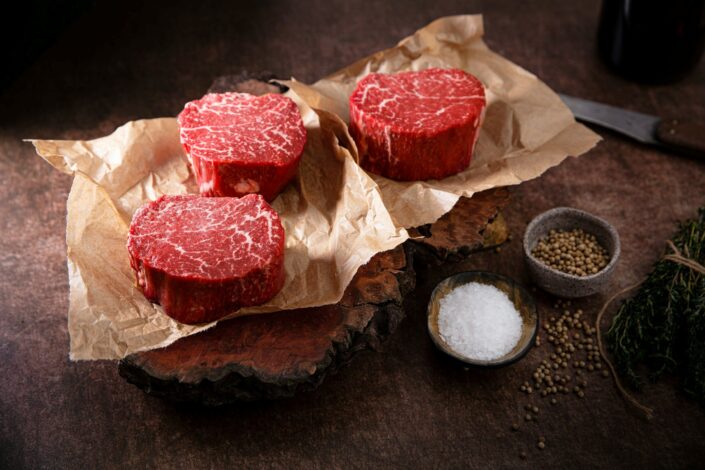
This cut works best with simple, elegant dishes. Think filet mignon with a light pan sauce. You can also wrap it in pastry for a luxurious beef Wellington. Since it’s so tender, avoid aggressive cooking. A quick sear followed by gentle finishing heat does the job.
Short Ribs
Short ribs show you a different side of Wagyu. They’re not about quick cooking. Instead, they call for time and patience, allowing the marbling to melt slowly and create deep, comforting flavors.
Braising is your best option. Cook them low and slow in broth, wine, or a savory sauce. Over time, the meat becomes fall-apart tender. You can also try Korean-style grilled short ribs. The marinade enhances the richness while adding a sweet and savory kick.
Brisket
Brisket is a favorite for those who love bold, smoky dishes. Wagyu brisket takes things further. The extra fat keeps it moist during slow cooking sessions.
Smoking is a popular choice. The low heat allows the fat to render while absorbing smoky flavors. You can also braise it for a softer texture. Either way, patience is key. Rush it, and you’ll miss out on its full potential. Done right, it becomes juicy, tender, and deeply flavorful.
Chuck Roast
Chuck roast comes from the shoulder, a hardworking muscle that develops deep flavor. In standard beef, it’s often considered a budget cut, but with Wagyu’s marbling, it transforms into something far richer. The fat slowly melts during long cooking, turning tough connective tissue into tender, juicy meat.
This cut is perfect for braises, stews, or pot roast. Cook it low and slow in broth, wine, or aromatic vegetables, and you’ll end up with a dish that feels both rustic and luxurious. Chuck roast shows that Wagyu isn’t limited to premium steaks. It adds depth to everyday comfort food, making each bite more memorable.
Flank and Skirt
Flank and skirt cuts are thinner but pack serious flavor. They’re less tender than premium steaks, but that’s not a drawback. It just means you need the right approach.
Cook them quickly over high heat, then slice against the grain. This keeps the texture manageable and enjoyable. These cuts are perfect for fajitas, tacos, or Asian-inspired dishes. Marinades work well here, adding flavor while tenderizing the meat.
Cooking Tips to Maximize Flavor
No matter the cut, a few principles will help you get the best results:
- Season lightly: Wagyu already has a strong flavor. Salt and pepper are often enough.
- Manage the heat: Use high heat for searing, but watch doneness carefully to protect texture.
- Let it rest: Resting after cooking keeps juices inside and makes every bite more satisfying.
Wagyu is naturally rich, so smaller portions go a long way. Keeping servings modest ensures you enjoy the flavor fully without feeling overwhelmed.
Final Notes
Wagyu isn’t only about indulgence. It’s about how quality and technique work together. Choosing the right cut and cooking it with care turns a premium ingredient into a delightful experience.
Now that you know how each cut works, you’re ready to explore. Start simple, experiment with dishes, and refine your approach. With every attempt, you’ll get closer to mastering Wagyu in your own kitchen.

Hi, I’m Crystal – a Kentucky-based Aromatherapist, wife, mom and the voice behind The Cinnamon Hollow. I share cozy, real-life inspiration for healthier routines, simple home living, essential oil use and safety, beauty, pets, and family adventures. From everyday tips to travel guides, my goal is to help you create a warmer life and embrace each day as its own little adventure. Always remember to live life, one adventure at a time! read more

