
Key Takeaways
- Safety and medical care should come before insurance paperwork or legal decisions.
- Photos, witness information, medical records, and a personal timeline can help preserve important facts.
- An attorney may be useful when liability is unclear, injuries are significant, or an insurer offers an early settlement.
- Do not admit fault, speculate about injuries, or sign a broad release without understanding its effect.
- Las Vegas collisions can involve tourists, rideshare vehicles, commercial drivers, pedestrians, and multiple insurance policies.
A car crash can leave Las Vegas drivers and passengers dealing with medical appointments, vehicle repairs, missed work, and insurance calls all at once. When injuries are serious, fault is disputed, or several parties may be involved, it may be helpful to understand the role of legal representation before deciding whether to file an auto accident claim at stevedimopoulos.com.
Legal representation does not replace urgent medical care or a police investigation. It can, however, help an injured person preserve evidence, communicate with insurers, evaluate losses, and understand the deadlines that may apply to a Nevada claim. The first 72 hours after a collision are often especially important.
What To Do Immediately After a Crash
First, move out of active traffic if the vehicle can be moved safely and no one appears seriously injured. Turn on hazard lights, call 911 when emergency assistance is needed, and avoid standing near moving traffic, leaking fuel, or broken glass. Exchange required identification and insurance details, but keep conversations calm and brief. A crash scene is not the place to debate blame.
If you are physically able and it is safe to do so, photograph the vehicles, license plates, roadway, lane markings, traffic signals, debris, visible injuries, and surrounding businesses. Ask witnesses for their names and contact details. Write down what you remember as soon as possible, including the time, location, direction of travel, weather, traffic conditions, and statements made at the scene.
Why Medical Documentation Matters
Some injuries are not obvious immediately after impact. Adrenaline can mask pain, while symptoms from a concussion, soft tissue injury, back injury, or internal injury may emerge later. Seek prompt medical evaluation for severe pain, confusion, dizziness, numbness, breathing problems, chest pain, abdominal pain, weakness, or any loss of consciousness.
Follow treatment recommendations and keep copies of visit summaries, prescriptions, imaging results, referrals, bills, and work restrictions. Medical records can connect the treatment to the crash and provide a clearer picture of how an injury affects daily life. This information may become important if an insurer questions whether care was necessary or whether an injury was related to the collision.
Evidence a Legal Team May Review
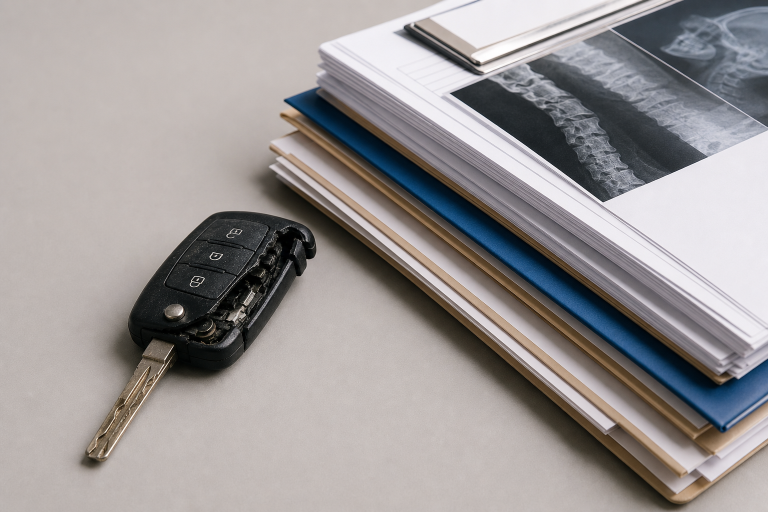
Car accident legal representation often begins with evidence preservation. Vehicles are repaired, surveillance footage is overwritten, and witnesses become harder to reach. Depending on the circumstances, an attorney may review police reports, photographs, vehicle damage, repair records, dashcam footage, witness statements, cell phone evidence, and available video from nearby properties.
Records To Save
- Photos and videos from the crash scene
- Police report numbers, citations, and towing documents
- Medical records, receipts, and pharmacy expenses
- Repair estimates, rental car charges, and vehicle valuation records
- Pay stubs or employer records showing missed work
- Emails, letters, and claim notes from insurance companies
Do not discard damaged personal property, such as a helmet, child safety seat, glasses, clothing, or electronic device, until you understand whether it may be relevant. Back up digital files in more than one secure location.
When Legal Representation May Help
Not every minor property-damage collision requires an attorney. Legal representation may be more valuable when a crash causes significant injury, involves a fatality, includes multiple vehicles, or creates disagreement about who caused the collision. It can also help when the other driver was uninsured, underinsured, working for a business, driving for a rideshare company, or operating a commercial vehicle.
An attorney can investigate the facts, identify potentially available insurance coverage, organize documentation, calculate claimed losses, negotiate with insurance representatives, and prepare a case for litigation if negotiations do not produce a fair resolution. A lawyer cannot guarantee a result, but informed guidance may reduce uncertainty during a difficult process.
Handling Insurance Company Contact
Report the crash to your own insurer as required by your policy, and provide accurate basic facts. Avoid guessing about speed, fault, the severity of injuries, or future recovery. A recorded statement, medical authorization, settlement check, or release may have consequences beyond the immediate property-damage issue.
Questions To Ask Before Accepting an Offer
- Does the offer cover vehicle damage, bodily injury, or both?
- Is the payment final, and does it require signing a release?
- What future medical expenses or lost income have been considered?
- Which insurance policy is paying the claim?
- What documentation supports the proposed amount?
Understanding Potential Losses
In an injury claim, losses may include medical expenses, rehabilitation costs, lost wages, reduced earning ability, property damage, and other harm recognized under Nevada law. The value of a claim depends on its specific evidence, the available coverage, the nature of the injuries, and how the collision changed the person’s daily activities. A quick settlement may not account for treatment that has not yet occurred.
Issues Common in Las Vegas Accidents
Las Vegas presents unique crash circumstances. Heavy visitor traffic, unfamiliar drivers, late-night activity, major resort corridors, construction zones, and busy freeway interchanges can complicate the factual investigation. A collision may also involve an out-of-state driver, a rental vehicle, a pedestrian, a bicycle rider, or a rideshare passenger. Each situation can raise different insurance and evidence questions.
Deadlines and Reporting Requirements
Deadlines matter. Nevada law generally provides two years for many personal injury actions, but exceptions can apply depending on the facts, the parties involved, and the type of claim. Reviewing the applicable limitation periods under Nevada law early can help avoid relying on an incorrect deadline.
Drivers should also understand crash-reporting duties. The Nevada DMV explains that an SR-1 report may be required within 10 days when a qualifying crash was not investigated at the scene by law enforcement, including crashes involving injury, death, or at least $750 in damage. Review the state’s crash reporting requirements promptly after an accident.
Choosing a Car Accident Attorney
Before hiring counsel, ask how the attorney handles communication, fees, expenses, investigations, settlement negotiations, and trial preparation. Bring your crash records, medical documents, insurance information, photos, and questions to the consultation. Clear communication and a realistic explanation of the process are important signs that you understand the working relationship.
Conclusion
After a Las Vegas car accident, protect your health, document what happened, preserve records, and take insurance communications seriously. Legal representation may be worth considering when the consequences extend beyond a straightforward vehicle repair. Early, organized action can help preserve options while you focus on recovery.
We are not lawyers and this is in no way intended to be used as legal advice . We cannot be held responsible for your results. Always do your own research and seek professional legal help.