Caring for a parent or grandparent who pushes back on help is one of the most exhausting experiences a family can go through. You love them deeply, yet every conversation about getting some support turns into a wall of resistance.
It wears you down in ways nobody really prepares you for. Across the United States, around 17.7 million people are actively caregiving for a family member over 65. These individuals need support due to physical, mental, or cognitive limitations.
The weight of this role is a heavy one to carry. Research finds that close to 37% of caregivers supporting older adults eventually hit a wall of burnout. Not because they stopped caring, but because they gave so much for so long without the right tools.
So if you feel stretched thin on most days, that feeling is completely valid. In this article, we will highlight strategies that work when a senior person refuses care.
Make Sure Care Doesn’t Come at the Cost of Comfort
America’s older adult population has grown steadily over the past two decades, climbing from 12.4% of the total population in 2004 to 18% by 2024. In response to this growth, senior care facilities have expanded across the country, with the industry projected to reach $1.33 trillion by 2033.
Yet even with more facilities available than ever, many seniors resist the idea of moving into one. The reluctance is deeply personal. For most older adults, a care facility represents a loss of independence rather than a source of support.
Many associate these places with losing control over daily routines, being separated from familiar surroundings, or feeling like a burden to the people around them. These fears are real, and dismissing them too quickly is where many caregiving conversations go wrong.
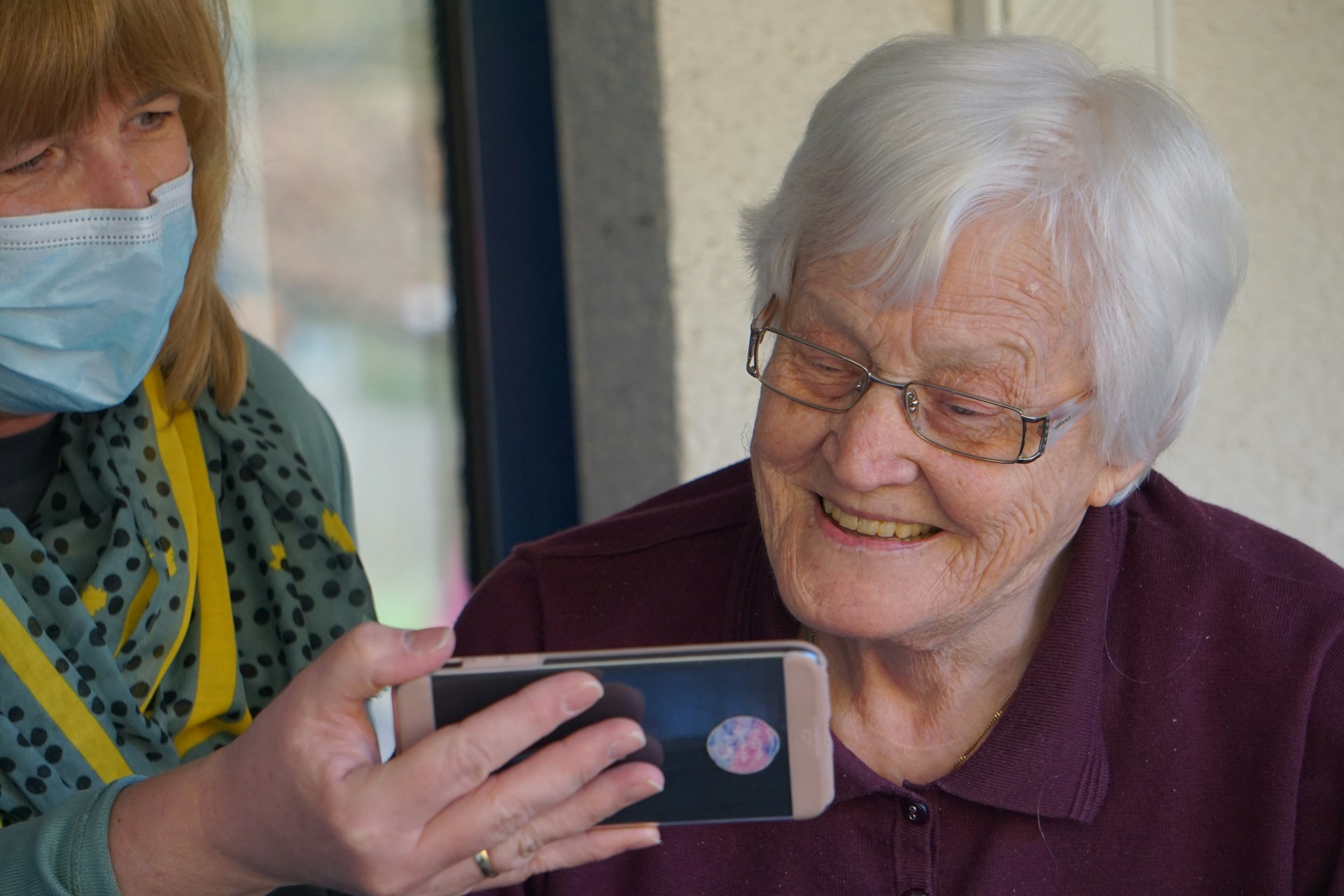
Home care offers a path that feels far less threatening to a senior’s sense of self. It tends to their emotional and social needs while also providing practical help with daily tasks, adds At Home Homecare.
They remain in the home they know, close to the people and the things that bring them comfort, and that familiarity makes a meaningful difference in how willing they are to accept help. For many families, home care ends up being the option that finally works, precisely because it does not feel like giving anything up.
In fact, dedicated companion care services are designed for seniors who need more than just physical assistance. They focus on building emotional connection and social engagement. Caregivers offer consistent companionship, meaningful conversation, and a trusted presence that makes daily life feel less isolating and more supported.
To learn more about how companion care services can help your loved one feel at ease with receiving help, visit https://www.stayathomehc.com/companion-care-services/
Build a Routine They Can Count On
Uncertainty is uncomfortable for most people, especially for older adults. When care feels unpredictable or unfamiliar, refusal is often the only way they know how to cope with that discomfort.
Consistency can change this mindset. A predictable routine gives older adults something to orient around, a dependable rhythm to their day that feels safe rather than intrusive.
The same caregiver showing up at the same time, helping with the same tasks in a familiar order, does more for trust-building than any amount of persuasion ever could.
Start small if needed. A single daily check-in, a shared meal, a consistent time for medication, these small anchors add up over time.
As comfort grows, so does openness to more support. Most seniors do not resist care forever once it stops feeling like something being done to them and starts feeling like something they can rely on.
Include Them in Every Decision
Seniors who feel left out of conversations about their own care almost always push back harder. It is a natural response. When decisions are made around them rather than with them, it sends an unintentional message that their voice no longer counts.
Nearly one in three older adults in America experiences social isolation. This sense of being on the outside quietly feeds into resistance toward care.
Seniors who already feel disconnected from the world around them are far less likely to welcome changes they had no say in. The two things reinforce each other more than most families realize.
The fix is simpler than it sounds. Bring them into the planning. Ask what they are comfortable with, what worries them, and what they would prefer.
Let their input shape the decisions wherever possible. When a senior feels like a participant rather than a subject, the entire conversation around care becomes noticeably easier to have.
Watch for Signs That Go Beyond Stubbornness
Sometimes what looks like refusal is actually something else entirely. A senior pushing back on care, becoming withdrawn, forgetting conversations, or growing unusually irritable may not just be difficult. These can be early signs of a deeper health concern that has not been identified yet.
Resistance to help, particularly when it appears suddenly or intensifies over time, can be an early behavioral sign of cognitive decline.
Close to 6.9 million Americans aged 65 and older are currently living with Alzheimer’s disease, and many cases go unrecognized in the early stages. Families often spend months trying to reason with a loved one, not realizing that the resistance itself may be a symptom worth paying attention to.
If the refusal feels out of character, or if you are noticing memory lapses, confusion, or mood changes alongside it, bring it up with their doctor sooner rather than later.
Getting a proper evaluation can completely reframe how you approach the care conversation. It can help make sure your loved one gets the right kind of help at the right time.
Frequently Asked Questions
Q: What do you do when an elderly parent refuses care?
Start by listening without pushing solutions. Understand their fears, involve them in decisions, and introduce care gradually through familiar routines.
Q: Why do seniors refuse help even when they clearly need it?
Most seniors fear losing their independence and control. Accepting help can feel like admitting vulnerability, which is deeply uncomfortable for many older adults.
Q: How common is caregiver burnout?
Very common. Close to 37% of people caring for older adults experience burnout, making support systems and outside help essential for sustainable caregiving.
Senior Care in America: A Statistical Snapshot
| Family caregivers of adults 65+ in the US | 17.7 million |
| Caregivers who experience burnout | 37% |
| Share of Americans aged 65+ in 2004 | 12.4% |
| Share of Americans aged 65+ in 2024 | 18% |
| Projected senior care industry value by 2033 | $1.33 trillion |
| Older adults experiencing social isolation | 1 in 3 |
| Americans 65+ living with Alzheimer’s | 6.9 million |
Patience Is the Most Underrated Tool You Have
There is no perfect script for these conversations, and there is no guaranteed timeline either. But patience, paired with the right strategies, moves things forward more reliably than anything else.
Give the process time, and give your loved one space to come around at their own pace. Most importantly, give yourself permission to not have it all figured out immediately. You are navigating something genuinely complex, and doing it with love already puts you ahead.
The owners and authors of Cinnamon Hollow are not doctors and this is in no way intended to be used as medical advice. We cannot be held responsible for your results. As with any product, service or supplement, use at your own risk. Always do your own research and consult with your personal physician before using.