If you manage a business property, your HVAC system quietly controls more than temperature. It affects comfort, utility bills, equipment life, and even whether customers want to stay longer than five minutes. Upgrading a commercial system can feel expensive and overly technical at first glance, but a little clarity changes the whole picture. When you know what to look for, you can make smarter decisions and avoid getting stuck with a system that underperforms from day one.
Start With the Building, Not the Equipment
A commercial HVAC upgrade should begin with your building’s actual needs, not with a guess based on square footage or whatever unit is already sitting on the roof. Retail shops, offices, restaurants, and warehouses all use air differently.
You need to consider occupancy levels, ceiling height, insulation quality, sun exposure, operating hours, and heat from equipment. A café kitchen, for example, creates a very different cooling load than a quiet insurance office.
Ask for a proper load calculation before anyone recommends a system size. Oversized units tend to short cycle, which wastes energy and wears parts down faster. Undersized systems run endlessly and still leave people uncomfortable. Neither option deserves your budget.
Pay Attention to Installation Quality
Even a high-end system can perform badly if the installation is sloppy. That part gets overlooked surprisingly often, usually right before someone starts wondering why the new unit sounds like it has personal issues.
Good installation includes correct sizing, secure duct connections, balanced airflow, proper thermostat placement, refrigerant charge verification, and code-compliant electrical work. If one of those pieces is off, performance drops.
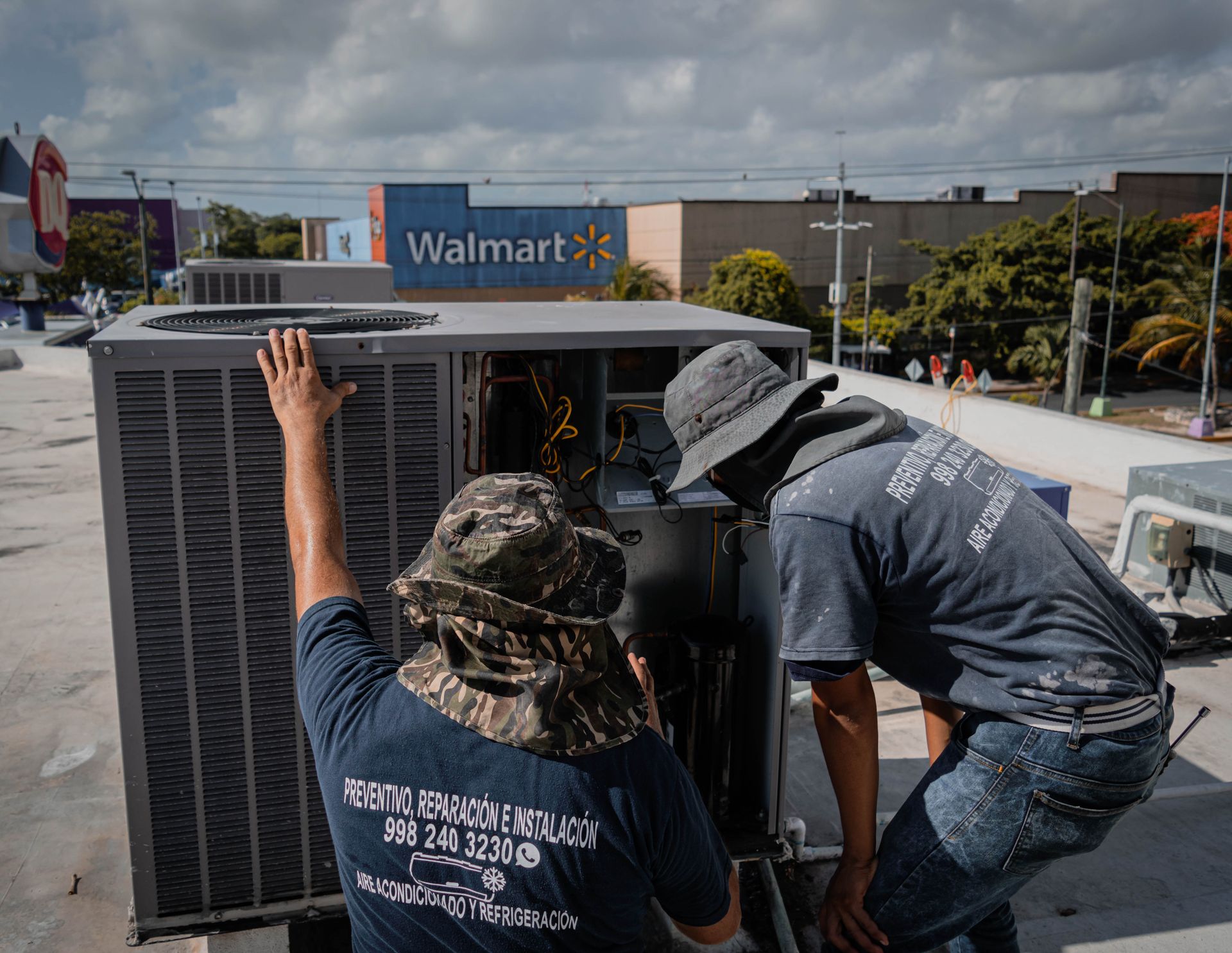
When evaluating providers for commercial HVAC installation & replacement, look for a company that handles full-system planning rather than just swapping boxes. In a commercial setting, replacement is rarely plug-and-play. The best installers inspect ductwork, ventilation demands, control systems, and long-term operating goals before they submit a proposal.
Energy Efficiency Has Real Business Value
Efficiency ratings can look like alphabet soup at first, but they matter. A more efficient system can lower monthly operating costs for years, especially in buildings that run HVAC all day.
Focus on practical numbers such as SEER, EER, AFUE, or heat pump performance ratings depending on the equipment type. More importantly, ask how those ratings translate to your building’s schedule and climate. A premium unit only pays off if your usage pattern supports the upgrade.
You should also ask about zoning, programmable controls, economizers, and variable-speed technology. These features often improve comfort while trimming waste. In a multi-room office, for instance, zoning can prevent one side of the building from feeling like a freezer while the other side turns into a toaster.
Replacement Timing Can Save You Trouble
Waiting until a system fails completely may feel cost-effective, but it often creates bigger problems. Emergency replacements usually happen under pressure, which means less time to compare bids, review specs, or plan around business operations.
If your current system needs frequent repairs, struggles to maintain temperature, or causes rising utility bills, start evaluating replacement before it quits. Equipment age matters too. Many commercial units begin showing serious decline around the 15-year mark, though maintenance history can shift that timeline.
Planned replacement gives you room to schedule work during slower business hours or off-seasons. That can reduce disruption for employees, tenants, or customers. Nobody enjoys shopping or working while ceiling vents drip and technicians wheel in giant equipment like it’s a hospital drama.
Indoor Air Quality Deserves More Attention
Commercial HVAC isn’t only about heating and cooling. It also affects indoor air quality, which has become a much bigger concern for business owners, employees, and visitors.
Poor ventilation and dirty filtration can contribute to odors, dust buildup, humidity problems, and stale air. In some workplaces, that can hurt concentration or aggravate allergies and respiratory issues. In customer-facing spaces, it can simply make the place feel neglected.
When reviewing upgrade options, ask about filtration levels, outdoor air intake, humidity control, and ventilation strategies. A medical office, salon, gym, or restaurant may need more specialized solutions than a standard office suite. Better air quality can support comfort, cleanliness, and brand perception all at once, which is a pretty efficient triple win.
Budget Beyond the Sticker Price
The cheapest proposal is not always the least expensive option over time. You should compare total cost of ownership, not just the installation number printed at the bottom of a quote.
Look at projected energy use, maintenance requirements, warranty coverage, expected service life, and repair access. A slightly more expensive unit with stronger efficiency and better support may cost far less across ten years than a bargain model that keeps demanding attention.
It helps to request itemized estimates so you can see what is included. One bid may cover duct modifications, controls, permits, and startup testing, while another leaves those out until the invoice starts growing teeth. Clear scope matters.
A smart upgrade is one that fits your building, your operating needs, and your budget without creating avoidable problems later. If you approach the project with good questions and realistic expectations, you’ll be in a much stronger position to choose a system that works hard without making itself the main character.