Your roof usually stays out of sight and out of mind until a leak, missing shingles, or a storm turns it into the main character of your week. If you’re thinking about replacing it, you need more than a rough estimate and a color sample. You need to know how roofing systems work, what choices affect cost and durability, and how to avoid expensive mistakes. A roof replacement is a big project, but it gets much easier when you know what to look for.
Know When Repair Stops Making Sense
A few damaged shingles don’t always mean you need a full replacement. Roof repairs can work well when the problem is small, and your roof still has plenty of life left. The trouble starts when damage keeps popping up in different areas, leaks return, or the roof is already near the end of its expected lifespan.
If your asphalt shingle roof is around 20 to 25 years old, replacement often becomes the smarter move. Warning signs include curling shingles, bald spots where granules have worn away, soft decking, repeated moisture issues, and sagging sections. Inside your home, water stains on ceilings or musty attic air can point to bigger problems than a quick patch can fix.
At some point, repairs become the financial equivalent of putting premium gas in a car with no transmission.
Hire the Right Contractor and Read the Fine Print
The contractor you choose will shape the entire experience, from planning to cleanup. A skilled roofing contractor should be licensed where required, insured, experienced with your roofing material, and willing to explain the scope of work clearly. You’re not just buying shingles. You’re hiring project management, workmanship, and accountability.
Ask for proof of insurance, recent references, and a written estimate that breaks down labor, materials, timeline, warranties, and possible extra charges. Check online reviews, but read them with some common sense. One angry review about leaves in the driveway isn’t the same as a pattern of leaks and no-shows.
Pay close attention to workmanship warranties. Manufacturer warranties cover materials, but installation errors often fall on the contractor. If the paperwork is vague, get clarification before signing anything.
Understand What a Roof Replacement Actually Includes
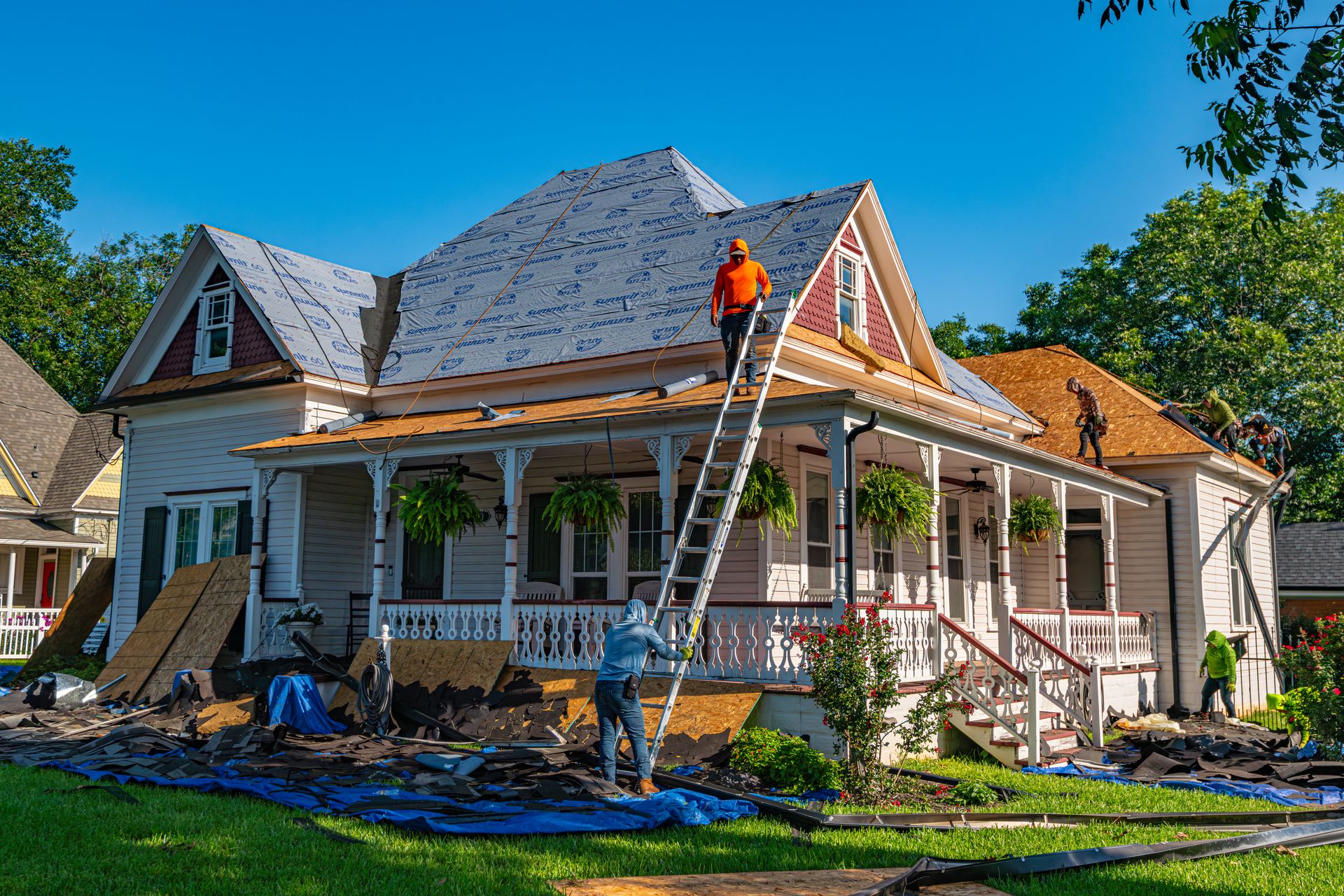
A roof replacement involves much more than nailing down fresh shingles. A quality job starts with tearing off old roofing materials so the underlying structure can be inspected. Contractors check the decking, flashing, vents, underlayment, and drainage details that keep water moving away from your home.
This matters because shingles are only one layer in the full roofing system. If hidden components are failing, a nice-looking top layer won’t save you from future leaks. Think of it like updating a phone case while the battery is swelling underneath.
A full estimate should usually cover:
– Tear-off and disposal of old materials
– Underlayment installation
– Flashing replacement around chimneys, vents, and valleys
– Ventilation upgrades if needed
– New shingles or roofing material
– Cleanup and final inspection
If any estimate looks suspiciously short, that’s your cue to ask sharper questions.
Pick Materials Based on Performance, Not Just Appearance
It’s easy to get pulled in by color options and curb appeal, but roofing materials need to match your climate, budget, and maintenance expectations. Asphalt shingles remain the most common choice because they’re affordable and widely available. Architectural shingles offer better durability and a more dimensional look than standard three-tab shingles.
Metal roofing costs more upfront, but it can last much longer and performs well in areas with heavy snow, rain, or strong sun. Tile and slate look impressive, but they’re heavier and may require extra structural support. Wood shakes have charm, though they demand more maintenance and aren’t ideal everywhere.
When you compare materials, focus on:
– Lifespan
– Wind resistance ratings
– Fire ratings
– Warranty coverage
– Energy efficiency
– Maintenance needs
– Weight and structural impact
A roof should look good, but performance is what keeps your living room from becoming a weather exhibit.
Budget for the Real Cost, Not the Best-Case Number
Roof replacement costs can vary a lot depending on size, pitch, material, location, labor rates, and how much hidden damage shows up after tear-off. The lowest quote can be tempting, especially when all the estimates look similar at first glance. Still, bargain pricing sometimes means corners get cut where you won’t notice until the next storm.
A realistic budget should include not only roofing materials and labor, but also permit fees, disposal, possible decking repairs, upgraded ventilation, and flashing replacement. If your home has steep slopes, multiple valleys, skylights, or chimney details, labor costs usually rise.
It helps to ask each contractor what might trigger added costs. That question often reveals who has thought through the job carefully and who is still pricing it like a game show guess. A smart budget leaves room for surprises, because roofs love revealing old secrets once the top layer comes off.
Plan for Timing, Weather, and Daily Disruption
Roofing projects move fast compared with many home upgrades, but they still affect your daily routine. You’ll hear constant pounding, crews moving around the property, and materials being delivered and removed. If you work from home, have pets, or need driveway access, planning ahead can save you a lot of frustration.
Weather also plays a major role. Roofing crews can work in many conditions, but heavy rain, lightning, extreme cold, or high winds can delay progress or affect installation quality. Spring through fall tends to be the busiest season in many areas, so scheduling early gives you better options.
Before work begins, ask about:
– Start and finish times
– Noise expectations
– Debris protection for landscaping
– Driveway and yard access
– Cleanup procedures
– Weather delay policies
– How emergencies are handled during the project
A little logistical planning keeps the process from feeling like your house has joined a construction reality show.
Think Beyond Installation to Long-Term Protection
A new roof is a major upgrade, but it still needs basic attention to deliver its full lifespan. Leaves, clogged gutters, poor attic ventilation, and unnoticed storm damage can shorten roof life faster than most homeowners expect. Maintenance doesn’t need to be intense, but it does need to be consistent.
Have your roof inspected after major storms, especially if you notice lifted shingles, dented flashing, or granules collecting in gutters. Keep tree branches trimmed back so they don’t scrape the surface or drop debris into valleys. Check your attic now and then for signs of moisture, mold, or weak airflow.
You should also keep records of installation dates, warranty documents, repairs, and inspections. That paperwork helps if you ever need warranty service, insurance support, or proof of maintenance when selling your home. A roof does its best work quietly, and regular care helps keep it that way for years.
Final Thoughts Before You Sign a Contract
Replacing your roof can feel overwhelming at first because so many decisions affect price, durability, and future maintenance. Once you break the project into parts, it becomes much easier to manage. You need a clear sense of your roof’s condition, a realistic budget, durable materials, and a contractor who treats the work like a system instead of a surface upgrade.
Take your time with estimates. Ask direct questions. Read every line of the contract. A roof protects everything beneath it, so this isn’t the place for rushed decisions or mystery pricing. When the job is done right, you get more than a fresh exterior. You get peace of mind every time the weather turns dramatic.