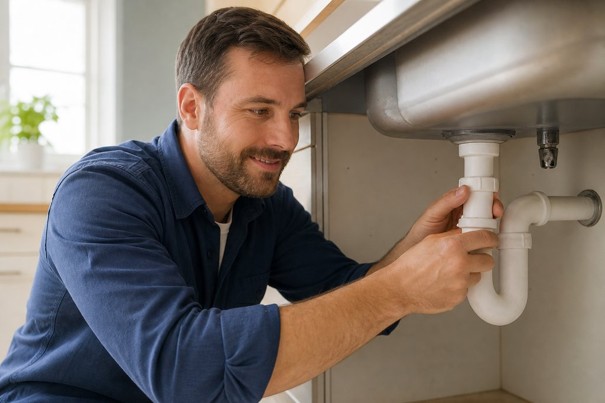
Small Warning Signs Often Come First
Plumbing issues rarely announce themselves dramatically. Instead, they often begin with easy-to-dismiss symptoms: a faucet that drips during the night, a toilet that keeps running, or gradually decreasing water pressure in one shower. Ignoring these subtle changes can allow minor repairs to evolve into large and costly repairs.
More obvious indicators that there’s something wrong can include:
- Ceiling or wall stains which get larger over time.
- The smell of sewage, particularly in and around drains.
- A drain that gurgles when water is used elsewhere.
- Clogs that return again and again.
- An unexplained increase in water bills.
- Signs of mold or mildew in a cabinet or other location without a visible source of water.
Why Fast Repairs Can Prevent Structural Damage
Leaks in the supply lines can seep into drywall, flooring, insulation, and home framing before you see any wet spots, resulting in mold growth. Mold loves to set up in dark areas, where it can grow unnoticed, but may be a potential health hazard for residents. Closing the nearest shutoff valve, or the main water shutoff, can be your best defense. Knowing the location of the main water shutoff, and keeping that valve in good working order, can be a lifesaver, as well. If you will be away from the home for any length of time, consider shutting off the water supply so a slow leak won’t cause extensive damage.
If you’ve noticed backup in the drains, it’s tempting to keep running water to “test” them, but this can lead to sewage backing up out of the shower, floor drain, or tub. Several slow or backed up drains indicate a clog deeper within the main lines, which may not be able to be resolved with chemicals or a plunger.
What a Thorough Service Visit Should Address
By addressing the root cause of plumbing problems, it’s possible to avoid further repair down the line. A thorough diagnostic should include looking at the entire plumbing system (there’s a decent explainer at www.britannica.com/technology) and the connection points between pipes and fixtures to catch issues early on. A technician should be looking for issues with flow, drains and water pressure, as well as making certain shutoff valves are in good repair.
It’s important to consider the reasons behind issues, and find the best way to correct them; 1-Tom-Plumber’s overview of Pittsburgh plumbing services covers that route. Repairs could mean anything from replacing corroded shutoff valves, to clearing a blockage in a vent line, to repairing a drain. In many cases, it’s possible to use special inspection tools to find breaks or clogs, saving the time and cost of destroying walls and floors.
Avoiding Repairs That Create New Problems
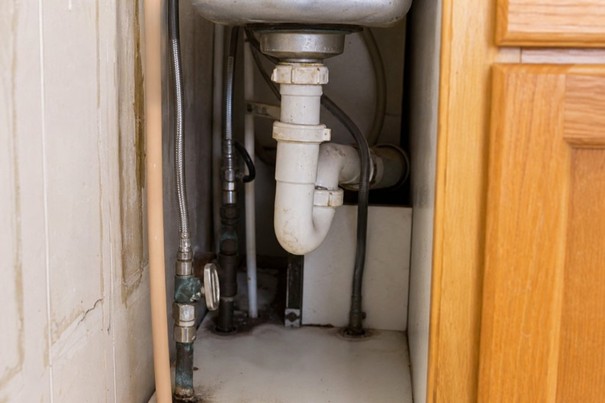
Some issues simply cannot be repaired. If you’ve tried to cram a toilet or piping into a space with little room to spare, it may be best to remove those and start again with ample space and correct clearances, as required by code.
When you encounter issues with pipes that have corroded from years of repeated chemical drain cleaner use, or water line leaks which cannot be fixed with a simple roll of tape, it’s best to replace these with newer pipes. Sometimes the simplest solutions create the biggest issues, like attempting to clear a clog by running the toilet several times, or attempting to force a corroded shutoff valve to close, which can lead to total valve failure.
Once it’s clear there’s a plumbing issue that needs to be addressed, clear the area to give yourself and your technician space to work. Take note of when issues started, and where problems are most prevalent. Keep children and pets out of the repair area. If a fixture or pipe breaks, try to keep the pieces, so you can show the technician the location of the break.
Following a repair, it’s best to wait before turning on the water to make certain cemented or soldered connections are secure. In the case of cemented connections, cure time will vary based on the size of the fitting and piping, the weather, as well as manufacturer directions.
Freezing weather can be treacherous for your plumbing, especially here in Pittsburgh.
Insulate unprotected pipes in basements, garages, outer walls, and in cabinets, especially if the cabinets have no doors. Disconnect outdoor hoses before freezing weather is imminent. Leave cabinet doors that contain pipes open.
A frozen pipe may only start to leak when it thaws. Investigate reduced water flow.
A Sensible Next Step for Your Home
While it may not be practical to schedule a professional plumbing inspection on a regular basis, it is a good idea to periodically look around the home for signs of problems. Check under sinks, around toilets and the water heater, and behind the washing machine. A small drip or drain issue that’s repaired on time can save you from paying for costly structural repairs later on.

Meg is an author at Cinnamon Hollow. She writes on a variety of topics sharing tips and ideas for daily life.