When people think about moving as a family, it’s easy to assume that more space automatically means a better home because you’ll have extra bedrooms, bigger gardens, larger kitchens, and – hopefully – a lot more storage. And that all does sound pretty good, but the fact is that bigger doesn’t always equal happier, easier, or more comfortable, and for a lot of families, a well-chosen smaller home might actually work out better. With that in mind, keep reading to find out more.
More Space Can Mean More Stress
A larger home often comes with more to look after, more rooms to clean and maintain, more maintenance, higher bills, and so on. So what starts as a good thing with extra space can actually just add a lot of stress and pressure that you don’t need, especially as a parent who’s already juggling lots of different things.
Small, more carefully designed homes tend to be easier to keep on top of, and that’s going to free up time and energy for enjoying the place and enjoying your family – the things that matter, in other words.
Families Spend Time Together
In a lot of family homes, there’s only a few rooms that are actually used regularly – the kitchen, living room, and one or two bedrooms really become the heart of the home, and other spaces just sit being unused. A huge house can sometimes end up spreading everyone out rather than bringing them together because of its layout and the number of rooms you’ve got.
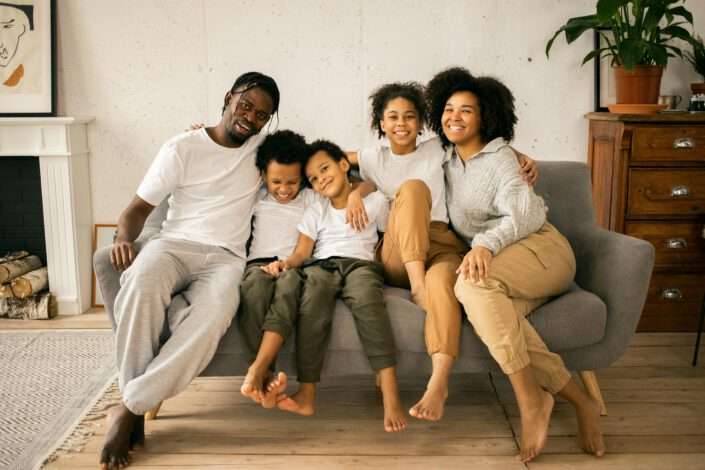
Homes that are the right size are better because they’ll encourage routines you can share, easier supervision of young children, and a better sense of togetherness.
Layout Often Matters More Than Size
A good layout can usually make a more modest house feel quite generous, and you should be looking for things like open living spaces, good storage, and rooms that flow naturally because they’ll all transform how a home feels when you’re living in it. On the other hand, a large home with awkward layouts can feel frustrating and inefficient.
If you are planning to move, it’s a good idea to talk to a residential property developer. When you do this, you can talk through the layouts that would work best for your family, and move into a home that you know will meet your needs.
Choosing a home that works with how your family lives is usually more important than choosing the biggest option available.
Location Plays A Big Role
If you asked most families, they’ll probably say that being able to be close to schools, friends, support networks, and local amenities is much more important than having loads of space – moving away just to get a bigger house for your money will probably lead to problems and stress if location was important.
And if you’re worried that you won’t be able to find any home in your chosen location, big or small, don’t forget there are options out there, including shared ownership, so everyone has a chance to get what they want.
Children Don’t Measure Happiness In Square Metres
Something else to consider is that little kids don’t care about the size of their home, and they’ll just know that they feel happy and safe. That’s why it’s best to choose a home that’s going to allow them their own space, shared spaces, is good for routines, and offers a chance for some family time as well.

Meg is an author at Cinnamon Hollow. She writes on a variety of topics sharing tips and ideas for daily life.