

A natural-looking facelift is usually the one you don’t notice right away. You may think someone looks rested, lighter, or more like the version of themselves from a few years back, but you can’t point to one obvious change.
That’s the difference many people care about most. In a city like Toronto, where people often want results that fit work, family, and social life without looking too obvious, the question is less about looking younger at any cost. It’s about why some outcomes blend in so well. The answer usually comes down to small choices made before, during, and after surgery.
The American Society of Plastic Surgeons reported 79,058 facelift procedures in 2024, which shows that this is still a major choice for people thinking about facial aging. But numbers do not explain the result. Technique, judgment, and restraint usually do.
Here are four things that impact the final look.
1. The Face Is Lifted in the Right Direction
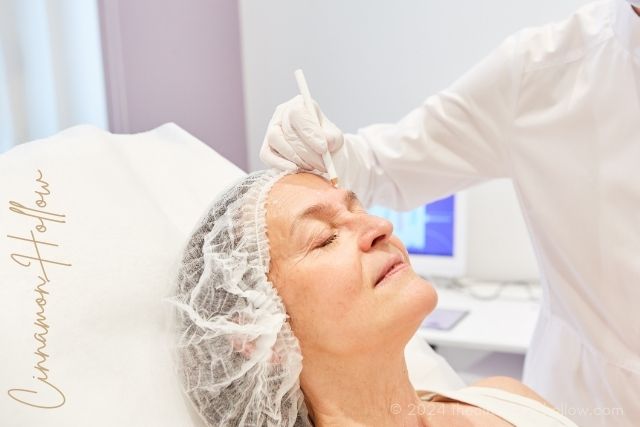
One reason some facelifts look too obvious is that the skin appears pulled sideways. That can make the face look tight instead of fresh. Natural results usually come from lifting the deeper facial layers in a way that follows how the face has actually aged. The cheeks, jawline, and neck do not all drop in the same direction, so treating them like one flat surface can create that “done” look people worry about.
This is why planning matters. People researching facelift in Toronto often learn that the goal is not just tighter skin, but better support beneath the skin where sagging begins.
In surgical clinics such as Face Toronto, facelift planning is framed around facial balance, deeper tissue support, and a result that still fits the person’s own features. That kind of approach helps explain why two people can have the same procedure name, yet look very different afterward.
2. The Neck and Jawline Are Treated as Part of the Same Story
A facelift that only focuses on the cheeks can look unfinished. The lower face, jawline, and neck often age together, even when one area bothers someone more than the others. Jowls may soften the jaw. Loose neck skin may make the face look heavier. Small fat changes under the chin can also affect how clear the lower face looks.
That is why natural-looking work often pays close attention to the whole lower face. The change should not stop sharply at the jaw or leave the neck looking older than the cheeks. When those areas are treated with the same plan, the result tends to feel more believable.
In practice, this is where many people start to understand why “subtle” does not always mean “small.” A subtle result may still require careful work in more than one area. It just means the changes are blended well. When the jawline looks cleaner and the neck looks smoother without looking stretched, the face often seems refreshed rather than altered.
3. Volume Is Handled Carefully, Not Ignored
Aging is not only about sagging skin. The face can also lose fullness in areas like the cheeks, temples, and under-eye region. If a facelift tightens the lower face but ignores volume loss, the result may still look tired or a little hollow. On the other hand, adding too much volume can make the face look puffy or unfamiliar.
The better balance is usually somewhere in the middle. Some people need lift. Some need volume support. Some need both, but in small amounts. This is one of the details that separates a natural result from a noticeable one.
A good facelift should respect the person’s original face. That means the cheeks should not suddenly look too round if they were never shaped that way. The jawline should look clearer, not carved. The skin should look smoother, but still normal when someone smiles, talks, or turns their head. Those tiny movements matter because people notice faces in motion, not just in photos.
4. Recovery Is Allowed to Settle Before Judging the Result
Many people judge facelift results too early. Swelling, bruising, tightness, and uneven healing can make the face look different in the first few weeks. That does not always reflect the final result. A natural look often appears gradually as tissues soften and the face settles into its new position.
This part can be emotionally tricky. People want reassurance quickly, especially when the face is involved. It is normal to look in the mirror and notice every little change. But healing has stages. Early tightness can ease. Swelling can shift. Scars can fade. The face can start to look more like itself again, just less weighed down.
The best results usually do not scream for attention. They settle in. Friends may say someone looks rested or healthier, without asking what changed. That is often the sign many people were hoping for in the first place.
Final Thoughts
Some facelifts look natural because they are not planned as a simple skin-tightening job. They consider direction, deeper support, facial balance, volume, and the way the neck and jawline connect. They also depend on patience, since the final look takes time to soften.
For anyone thinking about this kind of procedure, the better question is not only “Will I look younger?” It is also “Will I still look like myself?” A natural facelift should answer yes.
Check out our Beauty videos below!


Meg is an author at Cinnamon Hollow. She writes on a variety of topics sharing tips and ideas for daily life.


