Picture this: your toddler trips on the porch steps, lands hard on the concrete, and their knee is bleeding. Or someone in the kitchen grabs a hot pan handle and yelps. In that split second, what do you do? Many people freeze, even for a moment. A little first aid training helps turn that pause into a calm, simple plan you already know.
This article walks through practical ways families, caregivers, and small workplaces can build confidence around everyday injuries and emergencies. It is educational, not medical advice. If you or someone near you is experiencing a life-threatening emergency in the U.S., call 911 right away.

Key Takeaways
- Schedule one class. Even a half-day first aid or CPR course can give you useful skills and a clearer plan.
- Run a 10-minute family drill. A short practice session each month helps everyone stay calmer under pressure.
- Build a small kit. You do not need a hospital supply closet. A dozen basics can cover many common situations.
- Post emergency contacts where everyone can see them. Use the fridge, a bulletin board, or a phone lock screen.
- Refresh on a schedule. Set a calendar reminder to review skills and restock supplies every few months.
Where to Learn First Aid and CPR
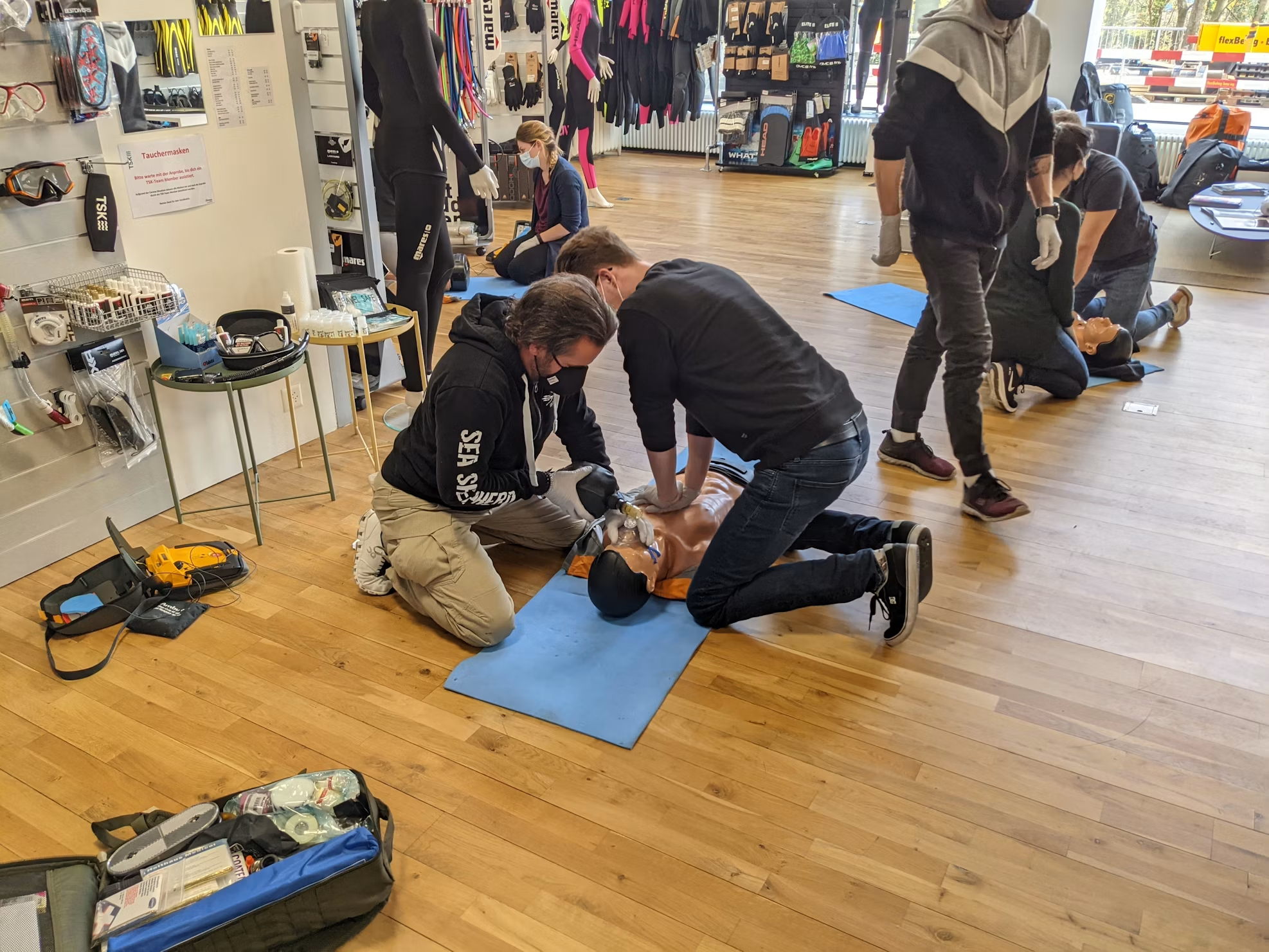
Look for accredited, reputable providers in your area. Community centers, local fire departments, hospitals, and national organizations like the American Red Cross and the American Heart Association all offer classes. Many have options for parents and family caregivers, which tend to focus on the scenarios you are most likely to face at home or on the go.
Choose a format that works for your schedule. Some courses take a single Saturday morning; others combine online learning with a shorter in-person skills session. Either way, hands-on practice with a mannequin is important, so look for a class that includes it.
For readers outside the U.S., local options vary. If you are near Dandenong in Australia and want an in-person option, Auspac Training Dandenong lists first aid and CPR courses, venue access details, and workplace group booking information on their page. Check the current course details to see whether they fit your needs.
What First Aid Training Actually Teaches
Spot the Problem Fast
The first thing you learn in many courses is a quick safety scan. Before you help, you look around: is the area safe? Is the person conscious? Are they breathing? From there, you decide whether to call 911 or handle a minor issue at home. Knowing when to call for help, and what to do while you wait, is a major part of first aid.
Hands-on Basics
Most home emergencies are everyday problems: scraped knees, minor burns from the stove, a twisted ankle on the stairs, or a nosebleed that will not stop. Training covers how to clean and bandage a wound, when to use a cold pack, how to support a sprain, and when not to move someone who may have a neck or back injury. These basics can help with many common mishaps.
Big-Deal Skills
Choking response, CPR, and using an AED (automated external defibrillator) fall into a different category. They are not everyday events, but knowing them can be lifesaving. CPR uses rhythmic chest compressions to help keep blood moving until paramedics arrive. An AED is a small device found in many public places that gives step-by-step voice prompts. Both are easier to understand once you have practiced with an instructor.
For Families at Home
10-Minute Practice Ideas
You do not need a full afternoon. Set a timer for ten minutes and walk through one scenario. For example, ask, “What do we do if someone is choking at dinner?” or “What if Grandma falls in the hallway?” Keep the tone calm and encouraging, especially with kids. The goal is muscle memory, not perfection.
Kids Can Help
Even young children can have a role. A five-year-old can learn to find the first aid kit and bring it to you. A seven-year-old can practice reading your home address out loud to a pretend 911 dispatcher. Older kids can fetch a blanket or hold a cold pack in place. Giving kids a job keeps them focused and helps them feel useful instead of scared.
The Sitter Sheet
If you leave your kids with a babysitter, grandparent, or neighbor, a one-page information sheet is valuable. Include emergency contacts, your child’s allergies, current medications, the home’s exact street address, and the location of the first aid kit. Sitters may not know your address from memory, so write it clearly. Tape a copy inside a kitchen cabinet, so it is easy to find. Treat this sheet as part of building an emergency kit for the people who help in your home.
Caregivers and Babysitters
Readiness Check
Before the parents walk out the door, a caregiver should know a few things: Does the child have any health conditions? Where are their medications? Is there a signed consent note for emergency treatment? Where is the kit, and where are the exits? A two-minute walkthrough can cover all of this.
Hand-Off Script
Parents can make this easier by giving a quick hand-off. Walk the sitter to the kit, point out the emergency numbers on the fridge, and mention anything specific to watch for, such as a peanut allergy or a low fever. A calm hand-off helps everyone respond better if something unexpected happens.
Workplaces: Small Offices and Shops
Who Should Train
At least one person per shift should have current first aid and CPR training. Post a simple list near the break room showing who is trained and who is their backup. If someone leaves the company, update the list and schedule a replacement for training.
Simple Response Plan
Keep it to three questions: Who calls 911? Who meets the responders at the door? Where are the kit and AED? Write the answers on a card and tape it next to the first aid kit. When people know their roles ahead of time, the response is usually faster and calmer.
Maintain the Kit
Assign one person to check the workplace kit every quarter. They can restock anything that was used, replace expired items, and log the date. A sticky note reminder on the office calendar is enough if it keeps the task from being missed.
Keep Skills Fresh Without Overwhelm
Light Refreshers
Most certifications recommend renewal every two years, but you do not have to wait that long to practice. Set a phone reminder once a month to run a quick drill or quiz your family on one scenario. Replace used or expired kit items at the same time. Small, regular steps are easier to remember than a single long review.
Confidence Cues
Post your local emergency number (911 in the U.S.) and poison control number on the fridge. Teach kids how to unlock a phone and share your home address. These small details reduce hesitation in a real emergency and give babysitters and visiting relatives the information they need at a glance.
Conclusion
You do not need to become a paramedic to be more prepared. A short class, a small kit in the hall closet, and a ten-minute drill once a month can change how your household responds when something goes wrong. Start with one manageable step: sign up for a class, set a drill reminder, or put the first few items in your kit.

Hi, I’m Crystal – a Kentucky-based Aromatherapist, wife, mom and the voice behind The Cinnamon Hollow. I share cozy, real-life inspiration for healthier routines, simple home living, essential oil use and safety, beauty, pets, and family adventures. From everyday tips to travel guides, my goal is to help you create a warmer life and embrace each day as its own little adventure. Always remember to live life, one adventure at a time! read more