Wellness has become part of everyday conversation. It shows up in morning routines, grocery choices, social media feeds, and the way people talk about energy, confidence, and balance. What makes modern wellness culture unique is not just the number of trends that appear, but how quickly people engage with them. New ideas spread fast, often blending personal stories with bold claims about results.
For many people, wellness is not about chasing perfection. It is about feeling better in daily life. Small improvements in energy, mood, or consistency can feel meaningful when routines are already full. This is why people often explore new approaches, even if they remain skeptical. Curiosity plays a major role in how wellness trends gain traction.
The Appeal of Simple Solutions
Busy schedules leave little room for complicated routines. As a result, wellness ideas that promise simplicity often draw the most attention. Products and practices that appear easy to integrate into daily life feel approachable, especially for those balancing work, family, and personal responsibilities.
People tend to gravitate toward options that require minimal disruption. This includes wearable tools, supplements, and lifestyle adjustments that claim to work quietly in the background. While not every option delivers the same results for everyone, the appeal lies in the hope of progress without overwhelm.
This desire for ease does not mean people stop thinking critically. Many still want to understand how something works, what supports its claims, and whether it aligns with their values.
How Information Shapes Wellness Choices
Access to information has changed how people evaluate wellness ideas. Instead of relying solely on advertisements, individuals now read personal experiences, expert commentary, and scientific discussions before deciding what feels right for them.
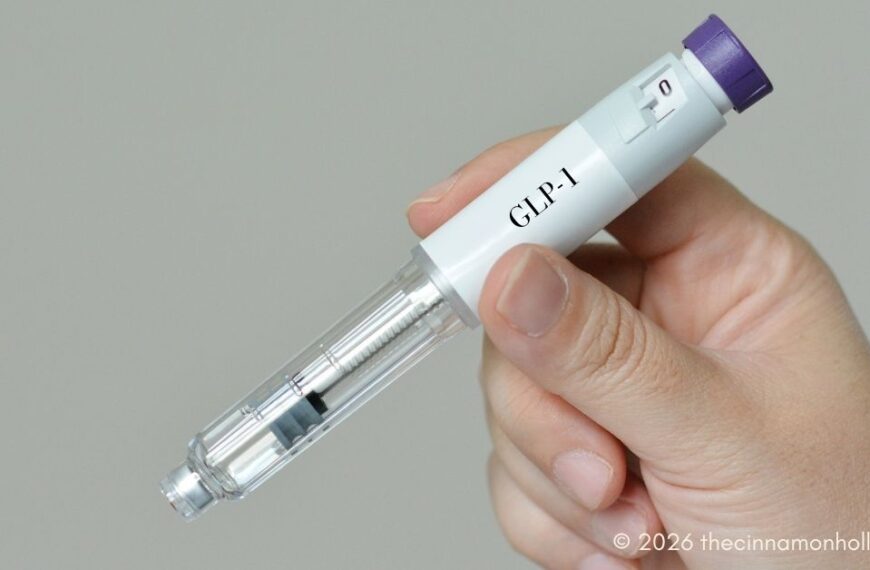
People are more aware that not all trends are created equal. Some approaches are backed by long-term research, while others are newer concepts still being explored. New emerging weight-related tools often revolve around how the body responds to certain hormones and signals. In recent years, some individuals have started questioning whether newer options like GLP-1 patches actually work or if they are simply another wellness trend gaining attention. These questions reflect a growing desire to understand what is happening beneath the surface rather than accepting claims at face value.
This shift toward informed curiosity has made wellness conversations more thoughtful and nuanced.
Listening to the Body Over the Hype
One reason wellness trends rise and fall so quickly is that bodies respond differently. What feels supportive for one person may feel ineffective for another. Many people learn through experience that tuning into personal signals matters more than following trends blindly.
Lifestyle bloggers and everyday individuals often emphasize the importance of self-awareness. Paying attention to energy levels, appetite, sleep quality, and emotional well-being helps people evaluate whether a wellness approach fits their life. This mindset encourages people to adapt rather than commit rigidly to any single idea.
Over time, this approach builds confidence. People feel more capable of making choices that serve their needs rather than chasing promises.
The Role of Patience in Wellness
Quick results are appealing, but lasting change usually unfolds gradually. Many people eventually discover that patience plays a central role in feeling better. Small, steady habits often create more sustainable outcomes than dramatic shifts.
Wellness becomes less about immediate transformation and more about consistency. This can include balanced meals, regular movement, hydration, rest, and stress awareness. New tools may complement these habits, but they rarely replace them entirely.
Understanding this helps people approach trends with a calmer perspective. Instead of asking whether something works instantly, they begin asking whether it supports their long-term rhythm.
Social Influence and Shared Experiences
Wellness trends also grow through shared experiences. Friends talk. Online communities compare notes. Personal stories spread faster than data alone. When people see others exploring similar goals, curiosity naturally follows.
This shared exploration can feel encouraging. It reminds people they are not alone in trying to feel better or navigate changing needs. At the same time, it reinforces the importance of personal choice. Seeing many perspectives helps individuals recognize that there is no single path that works for everyone.
Healthy wellness conversations often include openness, flexibility, and respect for differences.
Questions People Commonly Ask Before Trying Something New
Before adopting a new wellness approach, many people reflect on a few core questions:
- Does this fit into my current routine without creating stress
- Am I curious about this for the right reasons
- Have I taken time to understand how it works
- Am I open to adjusting if it does not feel right
Asking these questions helps people move from impulse decisions to intentional ones. This mindset reduces disappointment and supports long-term satisfaction with personal choices.
Finding Balance in a Trend-Driven Culture
Wellness culture will continue to evolve. New ideas will appear, some will stay, and others will fade. What remains consistent is the importance of balance. People benefit when they combine curiosity with discernment.
Rather than dismissing trends outright or embracing them unquestioningly, many find value in thoughtful exploration. This approach allows wellness to feel supportive rather than overwhelming. Ultimately, wellness is personal. It grows from listening, learning, and giving oneself permission to move at a comfortable pace. When people focus on understanding their needs instead of chasing every new idea, wellness becomes less about hype and more about care.
The owners and authors of Cinnamon Hollow are not doctors and this is in no way intended to be used as medical advice. We cannot be held responsible for your results. As with any product, service or supplement, use at your own risk. Always do your own research and consult with your personal physician before using.

Meg is an author at Cinnamon Hollow. She writes on a variety of topics sharing tips and ideas for daily life.