

Winter brings picturesque snowy landscapes, but it also creates severe operational challenges for drivers. Freezing temperatures, icy roads, and heavy snowstorms place immense strain on your vehicle’s mechanical and structural components. Without proper seasonal preparation, a sudden cold snap can quickly transform a routine commute into an unexpected, hazardous breakdown.
Taking a proactive approach to winterizing your vehicle ensures optimal performance, fuel efficiency, and safety all season long. Follow these smart, practical strategies to beat the chill and keep your vehicle road-ready throughout the freezing months.
1. Test Your Battery and Electrical System
Freezing weather is notoriously harsh on car batteries. Cold temperatures reduce internal chemical efficiency, requiring significantly more electrical power to crank the engine just when the battery is producing less voltage. In fact, a car battery can lose roughly 35% of its strength at 32°F and up to 60% of its power when temperatures drop below zero.
Before winter peaks, have an auto shop test your battery’s voltage and charge capacity. Inspect the battery terminals closely for dirt or corrosion, and scrub them clean with a wire brush. Ensuring tight cable connections prevents unexpected morning failures when you rely most on your ignition and heating systems.
2. Monitor Tire Pressure and Tread Depth
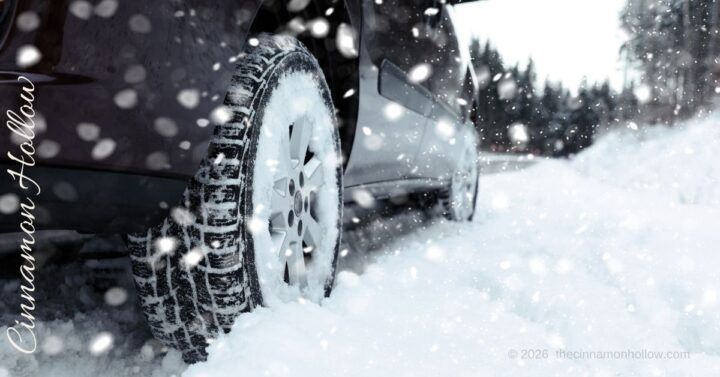
Tires serve as your vehicle’s sole point of contact with slippery road surfaces, making regular maintenance vital for winter driving safety. Air contracts as temperatures plummet; for every 10°F drop in outdoor temperature, your tires can lose approximately 1 PSI of pressure. Underinflated tires compromise vehicle handling, accelerate wear, and reduce overall traction on packed snow.
Check your tire pressure monthly with a gauge and adjust it according to the manufacturer’s specifications. Additionally, check your tread depth to guarantee adequate grip on ice. If you live in an area prone to severe winter weather, investing in dedicated winter tires is highly recommended, as they are engineered to remain flexible in freezing weather.
3. Maintain Essential Winter Fluids
Plummeting temperatures alter fluid viscosity and overall behavior. To prevent catastrophic engine damage, verify that your cooling system contains a precise 50/50 mixture of antifreeze and water. This mixture keeps your engine block from freezing or cracking during severe frost.
Switch your windshield washer fluid to a specialized winter formula containing de-icing solution. Standard summer fluid can freeze instantly upon hitting cold glass, obstructing your sight line. Lastly, check your motor oil; switching to a winter-grade oil with lower viscosity ensures immediate engine lubrication during cold startups.
4. Prioritize Visibility and Glass Integrity
Maintaining clear visibility is a fundamental safety requirement during dark, stormy winter commutes. Heavy snow and ice frequently tear worn wiper blades, leaving dangerous streaks across the glass. Replace worn blades with heavy-duty winter wipers designed to resist ice accumulation on the rubber frame.
Drastic temperature drops cause glass to contract, causing minor rock chips and stress cracks to expand rapidly across the windshield. Because your windshield provides critical structural support during a rollover and enables proper airbag deployment, driving with damaged glass is a severe safety hazard. Promptly repairing minor chips or seeking professional care for your auto glass in Kaysville, Utah before freezing weather hits will preserve structural integrity and guarantee a clear line of sight.
5. Check Heating and Defrosting Systems
A fully functioning heating system is essential for both driving comfort and safety. Your vehicle’s defroster works in tandem with the climate control system to remove moisture from the cabin air and clear fogged windows. Test your defroster before cold weather sets in to ensure all vents blow air effectively. Never pour hot water on a frozen windshield to speed up de-icing, as extreme thermal shock will crack the glass instantly.
6. Pack a Winter Emergency Kit
Even well-maintained vehicles can encounter unexpected winter disruptions or road delays. Always carry a dedicated winter emergency kit in your trunk. Essential items include:
- Heavy wool blankets, thermal socks, and extra gloves
- A compact snow shovel and an ice scraper
- Jumper cables and a high-lumen flashlight with extra batteries
- Non-perishable energy snacks and bottled water
- A bag of sand or cat litter to provide tire traction on ice
Drive with Confidence All Winter
Safe winter driving relies on proactive preparation and consistent vigilance. By taking time to winterize your battery, tires, fluids, and glass today, you can avoid costly repair bills and stressful roadside headaches tomorrow. Prepare your vehicle now so you can navigate the frosty road ahead with complete peace of mind.

Meg is an author at Cinnamon Hollow. She writes on a variety of topics sharing tips and ideas for daily life.