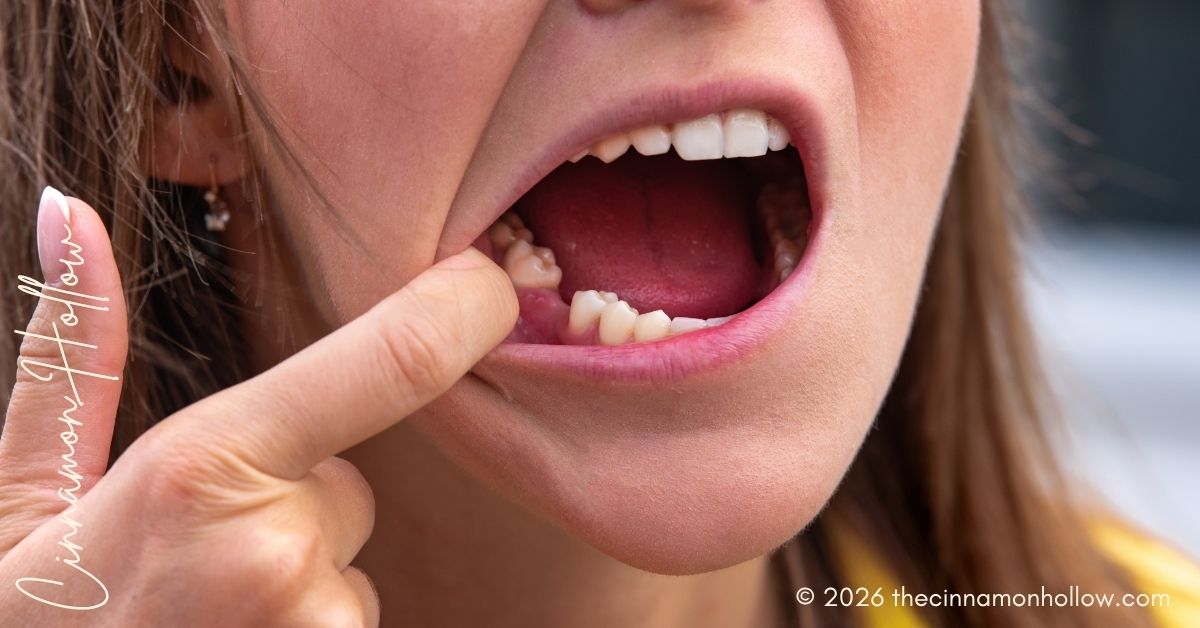
You might be surprised by how much one missing tooth can bother you. It starts with avoiding certain foods or smiling a bit less in photos. Then you notice yourself hiding your mouth when you laugh, or chewing on the other side without even thinking about it. A visit to a dentist in Great Falls can be the first step toward feeling like yourself again. What seemed like a small issue starts to feel big and personal.end
If you are feeling a mix of embarrassment, worry about cost, and confusion about your options, that is completely normal. Many people assume they can “get by” with the gap, only to find out later it has affected their confidence, their bite, and even their facial shape.
The short version is this. Replacing even a single missing tooth protects your appearance, your oral health, and your comfort when you eat and speak. Modern options like single tooth dental implants are designed to look and feel very natural, and when done by a skilled general and implant dentist, they are made to last.
So where does that leave you right now? It helps to understand why one missing tooth matters more than it seems.
Why can one missing tooth affect your whole mouth?
When a tooth is lost, the gap is only part of the story. Your teeth work as a team. They support each other when you chew and speak. Remove one, and the balance changes.
At first you might only notice the obvious. Food gets stuck in the empty space. You avoid certain foods. You feel self-conscious when you smile. Over time, deeper changes begin that you cannot see in the mirror every day.
Because of this, you might wonder if you are overreacting. After all, people live with missing teeth all the time. The truth is, your concerns are justified. Here are three clear reasons to replace even a single missing tooth.
Reason 1: Protect your confidence and day to day comfort
A missing tooth changes how you feel about your smile. If it is near the front, you may find yourself closing your lips in photos or avoiding eye contact when you talk. Even a missing back tooth can affect your comfort when you eat in public or laugh around others.
This is not vanity. Your smile is part of how you connect with people. When you feel you need to hide it, social situations become tiring. You might skip events, hesitate before speaking up at work, or feel older than you are.
There is also the practical side. A gap often catches food and makes cleaning harder. That can lead to bad breath and irritation, which only adds to the self-conscious feeling. Replacing that single tooth can restore a sense of normalcy. You can chew on both sides again, smile without thinking about angles, and stop worrying that everyone is looking at the gap.
Reason 2: Avoid bite problems and damage to other teeth
Teeth are not fixed in place like tiles. They are held in bone and supported by the teeth around them. When one is missing, the neighboring teeth often start to drift into the space. The tooth above or below the gap can also “over-erupt” and move down or up, trying to find something to bite against.
That slow shifting can create a chain reaction. Your bite changes. Certain teeth take more force than they were designed for. You may start to notice chipping, wear, or sensitivity. In some cases, the jaw joints begin to ache, which can lead to headaches or pain when chewing.
Imagine a bookshelf where you remove one book in the middle. Over time, the others lean in and twist. The same thing can happen in your mouth. By replacing a single missing tooth, especially with something anchored like a single tooth dental implant, you help keep everything aligned and reduce the risk of future damage and more complex treatment.
Reason 3: Protect your jawbone and facial shape
This is the part many people never hear about. Your tooth roots do more than hold teeth in place. They signal to your jawbone that it is needed. When a tooth is lost, the bone in that area starts to shrink. This process is called bone resorption.
Over the years, that bone loss can change your facial shape. The area around the missing tooth can look sunken. As more bone is lost, the lower part of the face can appear collapsed or aged. Even if you are missing only one tooth now, preserving that area of bone helps maintain the overall support for your smile and cheeks.
Dental implants are designed with this in mind. According to the U.S. Food and Drug Administration, dental implants act as artificial tooth roots placed in the jawbone, which can help support bone and provide a stable base for a crown. That is one reason so many general and implant dentists recommend them for single missing teeth.
How do your options compare for one missing tooth?
Once you accept that replacing a missing tooth matters, the next question is how. There is no single answer for everyone. Your oral health, budget, and comfort level all matter. To give you a clearer picture, here is a comparison of common choices for replacing a single tooth.
| Option | What it is | Impact on nearby teeth | Bone preservation | Typical feel when chewing | Longevity with good care |
|---|---|---|---|---|---|
| Single tooth dental implant | Titanium or similar post in the jaw with a custom crown | Usually does not touch or grind down neighboring teeth | Helps stimulate and preserve jawbone under the missing tooth | Very close to a natural tooth in stability and comfort | Often many years, sometimes decades |
| Traditional dental bridge | Crown on each side of the gap with a “floating” tooth in the middle | Requires reshaping the teeth next to the gap for crowns | Does not prevent bone loss in the actual gap area | Usually comfortable, but chewing force is shared by support teeth | Often 7 to 15 years before repair or replacement |
| Removable partial denture (single tooth flipper) | A removable plate with a replacement tooth | Generally minimal impact, though clasps may rest on nearby teeth | Does not stop bone loss under the missing tooth | Can feel bulkier and less stable, especially with sticky foods | Often a short to medium term solution |
| Do nothing | Leave the space open | Higher risk of shifting, wear, and bite changes | Ongoing bone loss in the gap area | Chewing often shifts to other teeth, which may overwork them | May lead to more complex and costly treatment later |
The American Academy of Periodontology explains that single tooth implant procedures are designed to replace the entire tooth, including the root, and can be cleaned much like natural teeth. Understanding these differences helps you weigh what matters most to you. Is it long term stability, preserving nearby teeth, or upfront cost.
What should you do now about your missing tooth?
Knowing the reasons is one thing. Taking action is another. If you are feeling unsure, here are practical steps you can take right away.
1. Schedule a focused consultation about your missing tooth
Ask for an appointment specifically to discuss that single missing tooth. Share what bothers you most. Is it appearance, chewing, or fear of long term damage. A thoughtful general and implant dentist will examine your bite, gums, and bone, then talk through options in plain language.
Bring your questions. For example. “What happens if I leave it alone for another year.” “Am I a candidate for an implant for a missing tooth.” “How will each option affect the teeth next to the gap.” Having clear answers often reduces fear and helps you move forward with confidence.
2. Ask for a clear comparison of cost and timeline
Money and time are real concerns. Ask for written estimates for each option, including any preparatory work like extractions or bone grafting. Also ask how many visits are needed and over what period.
Many people find that while an implant can have a higher upfront cost than a bridge, it may protect other teeth and last longer, which can mean fewer major treatments later. Seeing the numbers and steps laid out side by side helps you make a decision that feels responsible, not rushed.
3. Protect the area now, even if you are not ready to decide
If you are not ready to choose a treatment yet, you can still reduce risk in the meantime. Keep the area very clean with brushing and flossing. Your dentist may suggest special brushes or rinses to help. Try to avoid chewing only on one side, since that can overload those teeth.
Ask whether a temporary solution, such as a simple removable tooth, would help maintain space and appearance while you think through your long term plan. That way, you are not putting your jawbone and other teeth on hold while you decide.
Moving forward with more clarity and less worry
Feeling uneasy about a missing tooth is not about being “picky” or “vain.” It is about protecting your health, your comfort, and your confidence every time you smile, speak, or share a meal. Replacing even a single missing tooth, often with a modern general and implant dentist service, is an investment in all of those moments.
You do not have to figure everything out in one day. Start with a conversation, ask the questions that are on your mind, and give yourself credit for taking this seriously. The gap in your smile does not have to become a growing problem. With the right plan, it can be one of the most fixable parts of your health story.
The owners and authors of Cinnamon Hollow are not doctors and this is in no way intended to be used as medical advice. We cannot be held responsible for your results. As with any product, service or supplement, use at your own risk. Always do your own research and consult with your personal physician before using.