Shoulder arthroscopy is a minimally invasive procedure where a surgeon uses a tiny camera and small tools inserted through very small cuts to see and treat problems inside the joint, without opening the shoulder the way older surgeries did. For a lot of people, just hearing the word surgery still triggers a wave of anxiety, especially when they have no idea what the procedure actually looks like. It is one of the more common orthopedic procedures done today, and many people in Hollywood, Florida and beyond are choosing it over older open surgery options. But it still feels like a mystery to most patients before they go in.
The goal here is not to replace a conversation with your surgeon. It is to give you a clear, honest picture of what this procedure actually involves, so it feels a little less unknown.
1. The Surgery Is Much Smaller Than Most People Picture
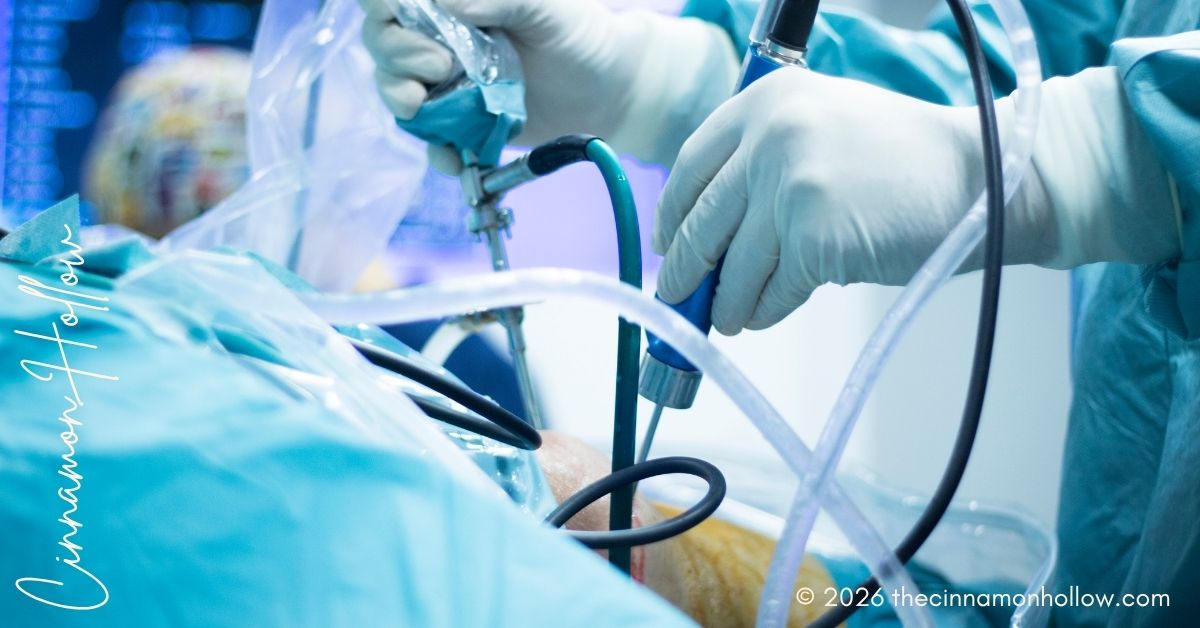
When people imagine shoulder surgery, they usually picture a long incision, a big scar, and weeks of not being able to move at all. Arthroscopy works completely differently. Instead of opening the shoulder with a large cut, the surgeon makes a few very small openings, usually about the size of a buttonhole, and inserts a tiny camera called an arthroscope along with small surgical tools. The camera sends a live image to a monitor, allowing the surgeon to see and treat the problem from inside the body without disturbing surrounding tissue.
Orthopedic practices that specialize in shoulder arthroscopy in Hollywood, FL use this minimally invasive approach to treat conditions like rotator cuff tears, labral damage, and shoulder impingement with far less disruption to the body. Clinics such as Core Alliance Spine and Orthopedics use this kind of precise, targeted techniques to restore strength and mobility. Because less tissue gets disturbed during the procedure, patients generally experience less post-operative pain and a faster path back to normal activity compared to traditional open surgery.
2. The Procedure Is Usually Faster Than Expected
Most shoulder arthroscopy procedures are done under general anesthesia, though some are performed with a regional nerve block that numbs the entire arm and shoulder area. Your surgical team will discuss the best option based on your health history and the extent of what needs to be treated. Either way, you will not feel anything during the procedure itself.
According to the American Academy of Orthopaedic Surgeons, shoulder arthroscopy typically takes between one and two hours depending on what is being repaired. Complex repairs, like a full rotator cuff reconstruction, take longer than a simple debridement or removal of loose tissue. Most procedures are done on an outpatient basis, which means you go home the same day. That surprises a lot of people. They come in expecting an overnight hospital stay and leave a few hours after waking up in the recovery room.
3. The First Week After Surgery Is the Hardest Part of Recovery
Waking up from surgery with your arm in a sling and very limited movement is not the most comfortable experience. Swelling, stiffness, and a dull aching pain are all normal in the first few days. Most patients manage well with prescribed pain medication in the early phase, then transition to over-the-counter options as the acute discomfort settles down. Ice and keeping the arm elevated also help reduce swelling during that first week.
What we’ve seen consistently is that patients who follow their post-op instructions closely, especially around rest and immobilization, tend to have smoother recoveries than those who try to push through discomfort too soon. The sling is not just for show. Keeping the shoulder still while the repaired tissue heals is what sets the foundation for everything that comes after. Rushing that part can undo a lot of what the surgery accomplished.
4. Physical Therapy Is Where the Real Recovery Actually Happens
Surgery fixes the structural problem. Physical therapy is what turns that fix into a fully functional shoulder. Most patients begin guided rehabilitation within a few weeks of surgery, starting with gentle range-of-motion exercises and gradually building toward strength work as healing progresses. The full timeline depends on what was repaired, but many patients see significant improvement within three to six months, with continued gains after that.
Research published in the Journal of Orthopaedic Case Reports found that structured rehabilitation following arthroscopic rotator cuff repair was strongly associated with better long-term outcomes in shoulder function and patient-reported satisfaction. Skipping or cutting short the therapy phase is one of the most common mistakes people make after this kind of procedure. The surgery creates the opportunity for the shoulder to heal properly. Rehab is what ensures it actually does.
The Bottom Line
There is something about understanding a procedure that makes the whole experience feel more manageable. Shoulder arthroscopy is not a minor thing, but it is far less invasive than most people assume, and the recovery, while real, is something most patients move through with the right guidance and a little patience. If shoulder pain has been affecting your daily life and surgery is on the table, knowing what to expect from the process is a good first step toward making a decision you feel comfortable with.
The owners and authors of Cinnamon Hollow are not doctors and this is in no way intended to be used as medical advice. We cannot be held responsible for your results. As with any product, service or supplement, use at your own risk. Always do your own research and consult with your personal physician before using.