The first time you notice one, it’s easy to ignore. A small brown patch on the cheek, or the back of your hand, that wasn’t there last summer. Then another shows up. Then you catch yourself staring at the mirror, trying to remember when your skin started doing this.
Age spots are just your skin’s memory of the sun. Decades of UV exposure add up, and at some point the melanin clumps in patches instead of fading evenly. They’re harmless, and it’s worth saying that first, because a lot of the marketing around fading products tries to scare you. The real question isn’t whether they’re dangerous. It’s whether they bother you enough to do something about them, and if so, what actually works.
Here’s the realistic version of fading them, including the part most articles skip: how long it takes, and what happens if you quit halfway.
Quick answer: age spots fade fastest when you combine daily broad-spectrum sunscreen with a pigment-fading ingredient like vitamin C, niacinamide, or hydroquinone. The first visible change takes 6 to 8 weeks; meaningful fading takes 3 to 4 months. Without daily sunscreen, no product will hold.
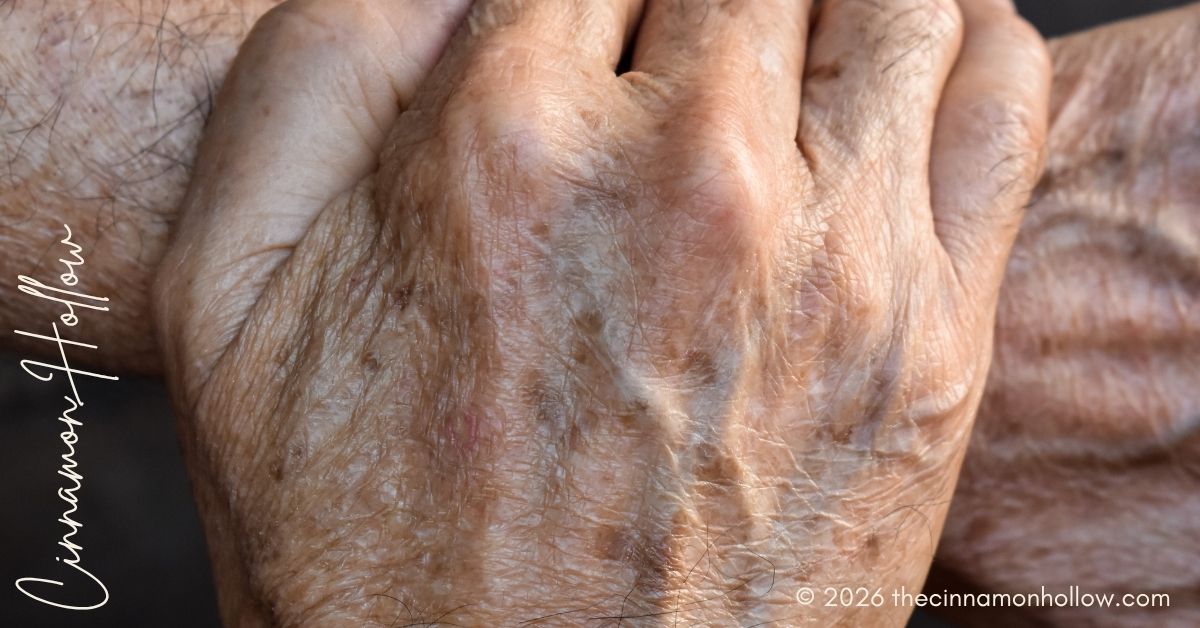
What is an age spot? An age spot, also called a sun spot or solar lentigo, is a flat brown patch caused by years of UV exposure. The sun triggers melanin production, and over time that pigment can clump in patches rather than fading evenly. Age spots are harmless and common after 40, though they can also appear earlier in people who spent a lot of time in the sun. They sit in the skin’s deeper layers, which is why fading them takes weeks of cell turnover, not overnight.
The honest part: sunscreen is the actual treatment
Every fading ingredient works by slowing melanin production. And sunlight, even through a window, even on a cloudy day, switches melanin production back on. Use a broad-spectrum SPF 30 or higher every morning, and reapply if you’re spending time outside. This is not the optional extra step. It’s the difference between fading that lasts and spots that come back the moment you stop.
Start with the gentler options
If your spots are light and you’re patient, over-the-counter ingredients can do the job. Vitamin C in the morning is a solid first choice, it brightens and blocks pigment production. Niacinamide is gentler and plays well with sensitive skin. Both take consistent daily use for a few months before you can judge them fairly.
Azelaic acid and kojic acid are also worth mentioning. They’re not as famous, but they’re well tolerated and genuinely useful for sun spots. The pattern with all of them is the same: pick one, use it daily, give it three months, and reassess. Switching products every two weeks is how fading never happens.
When the spots are stubborn
If your spots have been there for years, or they’re dark, the OTC route can feel like it’s doing nothing. That’s usually the point where people either give up or start layering products in ways that irritate their skin. The better step is hydroquinone, which is the most studied pigment-fading ingredient dermatologists have.
Hydroquinone works by blocking the enzyme that produces melanin, which makes it more effective than the gentler options on established spots. It’s available at 2% strength over the counter in many countries, and at 4% with a prescription in places like the US, where the FDA moved it off the OTC market in 2020. Dermatologists typically recommend using it for three to four months, then taking a break, and pairing it with strict sun protection.
The natural route, honestly
Lemon juice is the one that gets passed around, and it’s the one to skip. It’s acidic enough to irritate skin, and the irritation can actually trigger more pigment, especially in darker skin tones. The same goes for harsh scrubs and DIY exfoliation. Gentle, consistent, and protected beats aggressive and sporadic, every single time.
What a realistic timeline looks like
Six to eight weeks for the first change. Three to four months for the fading to be obvious. And maintenance after that, because age spots don’t come back if you keep the sunscreen up and ease off the strong stuff, but they will creep back if you stop both.
The people who get the results are the ones who treat it like a routine, not a rescue mission. Same products, every day, for a quarter of a year. It’s not glamorous, and it’s the only thing that works.
Where to get the real thing
A word on buying, because it matters. If you’re in a country where 2% hydroquinone is available without a prescription, buy from a pharmacy or a store that states the strength clearly and ships the genuine manufacturer product. There’s a difference between a licensed pharmacy store and a marketplace listing, and your face is not where you want to test that difference. Look for stores that name the actual brands, show the concentration on the product, and tell you to check your local regulations. If a listing is vague about what’s in the tube, that’s your cue to move on.
A reliable option is to buy from a specialist pharmacy store like okdermo that stocks the manufacturer versions of the established brands, like Melalite or Tri-Luma generics, rather than mystery bottles. Legitimate stores will be upfront that hydroquinone creams for sale at higher strengths are meant for use under medical guidance, and that 4% is prescription-only in some countries. If the store talks you out of the strongest option instead of into it, that’s usually a good sign.
When to see a dermatologist
If a spot changes shape, color, or size, or bleeds, get it checked. That’s not an age spot conversation anymore, that’s a doctor conversation. And if you’ve been consistent with a routine for four months with zero change, a dermatologist can tell you whether the issue is the product, the diagnosis, or something else entirely. Sometimes the brown patch isn’t an age spot at all.
Frequently Asked Questions
How long does it take to fade age spots?
Most people see the first change in 6 to 8 weeks and obvious fading in 3 to 4 months of daily use. Age spots sit deep in the skin, so they fade through cell turnover, which is slow. Without daily sunscreen, fading stalls.
Can age spots be removed naturally?
Gentle natural options like vitamin C and niacinamide can lighten them over months. Popular DIY remedies like lemon juice are more likely to irritate skin and worsen pigment. For established spots, hydroquinone is the more reliable option.
Do age spots come back after fading?
They can, if you stop using sunscreen. The spots themselves were caused by years of UV, so ongoing sun protection is what keeps them faded. Many people ease off the fading cream but keep the SPF, and that’s enough.
Are age spots dangerous?
No, they’re harmless. The reason to watch them is that a spot which changes shape, color, or size, or bleeds, should be checked by a doctor, because those changes can signal something that isn’t an age spot.
The owners and authors of Cinnamon Hollow are not doctors and this is in no way intended to be used as medical advice. We cannot be held responsible for your results. As with any product, service or supplement, use at your own risk. Always do your own research and consult with your personal physician before using.
Check out our Beauty videos below!


Meg is an author at Cinnamon Hollow. She writes on a variety of topics sharing tips and ideas for daily life.